
OGP et transparence des infrastructures : la prochaine frontière ?
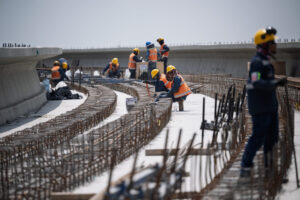
Credit: CoST Bogota
This month marks 10 years of collaboration between OGP and CoST – Infrastructure TransparenceSelon les statuts de l'OGP, la transparence est atteinte lorsque « l'information détenue par le gouvernement (y compris sur les activités et les décisions) est ouverte, exhaustive, opportune et librement accessible au public… Autres Initiative. Infrastructure is central to economic growth, prestation de services publicsPour garantir que les citoyens de tous les groupes soient mieux soutenus par le gouvernement, les gouvernements participants à l'OGP s'efforcent d'améliorer la qualité et l'accès aux services publics. Les engagements en la matière sont... Autres and climate resilience. Yet governments around the world face mounting pressures: deliver sustainable, quality infrastructure for growing populations while managing rising detteDivulguer ouvertement des informations sur la dette publique permet une prise de décision éclairée, atténue le risque d'instabilité financière et permet aux citoyens de tenir leurs gouvernements responsables de leurs réponses... Autres burdens, constrained overseas development aideDes informations plus nombreuses et de meilleure qualité sur l'aide aident les pays partenaires et les institutions donatrices à planifier et à gérer plus efficacement les ressources d'aide, les parlements et la société civile à tenir les gouver..., increasing competition for public finance and growing climate adaptation costs.
In addition citizens continue to be short-changed by inefficiency, weak oversight and corruption in public infrastructure delivery. IMF estimates suggest that, on average, one third of countries’ infrastructure spending is wasted. With infrastructure accounting for around 15 à 20 pour cent of public investment in many countries, this globally represents trillions of dollars that should be improving roads, schools, hospitals and essential public services.
But practical approaches already exist. In 2025, CoST members opened nearly 48,000 infrastructure projects covering US$21.4 billion of investment to public scrutiny, demonstrating what can be achieved when infrastructure information is made open and accessible.
There are opportunities to take these approaches further – both in countries where CoST and OGP already operate, and across OGP’s wider membership. OGP’s co-creation processes, action plans and Open Gov Challenge provide practical routes for doing so. Bogotá and Santiago de Cali demonstrated this potential in 2025, receiving Honorable Mentions in the Prix du Défi du Gouvernement Ouvert for advancing public infrastructure transparency through CoST tools and standards.
Beyond the Open Gov Challenge, OGP Action Plans already show how CoST approaches can be translated into practical commitments.
In Sekondi-Takoradi, Ghana, an OGP engagementLes engagements du PGO sont des promesses de réforme co-créées par les gouvernements et la société civile et soumises dans le cadre d'un plan d'action. Les engagements comprennent généralement une description du problème, des actions concrètes... conduit à un données ouvertesEn ouvrant les données et en les rendant partageables et réutilisables, les gouvernements peuvent permettre un débat éclairé, une meilleure prise de décision et le développement de nouveaux services innovants. Spécifications techniques : Police... portal using CoST’s international data standard, later complemented by an Infrastructure Analytical Dashboard and an Electronic Infrastructure Monitoring Tool. In Panama, an OGP commitment led to a legal mandate for publishing infrastructure data in line with the CoST standard and the development of an information platform, with CoST-related commitments subsequently carried into two further Action Plans.
The guidance note shows how infrastructure transparency can help OGP members advance priorities they have already identified. OGP provides the political platform, country reach and co-creation processes through which governments and civil society develop reform commitments, while CoST contributes infrastructure-specific expertise, tested tools and standards, and engagement with the secteur privéLes gouvernements s'efforcent également d'ouvrir les pratiques du secteur privé, notamment par la transparence des bénéficiaires effectifs, la transparence des contrats et la réglementation des normes environnementales. Spécifications techniques... Autres and professional bodies. The guidance maps these contributions across different OGP policy areas, helping members identify where CoST can add most value – from participation du publicDonner aux citoyens la possibilité de contribuer au processus décisionnel du gouvernement conduit à une gouvernance plus efficace, à une meilleure prestation des services publics et à des résultats plus équitables. Spécification technique... and fiscal openness to climate and the environment.
Here are five ways OGP members could put the guidance into practice:
- Review existing OGP commitments through an infrastructure lens. Take the guidance to the next forum multipartiteUn dialogue régulier entre le gouvernement et la société civile est un élément central de la participation à l'OGP. Il renforce la confiance, favorise la résolution conjointe des problèmes et permet à la société civile d'influencer la conception, la mise en œuvre... meeting and consider whether an existing commitment on fiscal openness, gouvernance numériqueAlors que les technologies en évolution offrent de nouvelles opportunités aux gouvernements et aux citoyens pour faire progresser l'ouverture et la responsabilité, les gouvernements participants à l'OGP s'efforcent de créer des politiques qui traitent de la ... Autres, climate or l'inclusionLes gouvernements participants à l'OGP s'efforcent de créer des gouvernements qui servent véritablement tous les peuples. Les engagements dans ce domaine peuvent concerner les personnes handicapées, les femmes et les filles, les lesbiennes, les gays, les bisexuels, les tr... Autres could be strengthened by adding an infrastructure milestone.
- Give anti-corruption commitments a concrete infrastructure focus. Select a manageable number of high-value or high-risk projects, publish standardised project and contract data, and use the information to identify integrity risks, strengthen scrutiny and inform action.
- Strengthen commitments on financement climatiqueLes gouvernements rendent le financement climatique plus ouvert en introduisant une surveillance publique pour garantir que les fonds atteignent les objectifs visés et en rendant les processus de prise de décision plus inclusifs pour faire participer les groupes vulnérables... Autres. Use CoST’s international data standards’ sustainability and climate-finance modules to specify what information should be published and monitored about project selection, financing and implementation.
- Make fragmented infrastructure information usable. Use CoST’s international data standards to connect project and contract data scattered across different systems, then apply the CoST Independent Review process to validate the information and investigate recurring cost increases and delays.
- Open major infrastructure projects to meaningful participation. Combine OGP co-creation with CoST social-accountability tools to publish the underlying project information, involve affected communities early and establish continuing public oversight beyond a single consultation.
OGP’s updated 2026 Action Framework creates a timely opportunity to put the guidance into practice. Members can introduce open government commitments individually or in batches, rather than waiting for a complete national action-plan cycle. This gives government and civil society stakeholders a more flexible route to translate the guidance into specific, time-bound infrastructure reforms.
As an official technical expertise partner of OGP, CoST can work with government and civil society stakeholders to identify where infrastructure transparency can strengthen existing open government priorities and turn these opportunities into practical reform. With infrastructure under growing fiscal, climate and public scrutiny, there is a clear opportunity to make it a bigger part of the open government agenda.
CoST stands ready to help OGP members translate the guidance into concrete commitments and support their implementation.
You can download a copy of the guidance note in different languages below:
Anglais | Espagnol | Portugais | Français
Pour plus d'informations, envoyez un e-mail: [email protected]
Pas encore de commentaires
Rubriques connexes

15 Années d'OGP
Il y a quinze ans, le Open Government Partnership Tout a commencé par une idée simple mais audacieuse : les gouvernements fonctionnent mieux lorsqu’ils sont transparents, responsables et ouverts à la participation citoyenne.

15 ans de progrès
Depuis 15 ans, le Partenariat pour un gouvernement ouvert (PGO) contribue à définir le fonctionnement possible et souhaitable des gouvernements ouverts, et il est particulièrement bien placé pour répondre aux crises complexes. Lire la suite…

Des voix à travers 15 années
Des chefs d'État aux ambassadeurs, en passant par les anciens coprésidents du Comité directeur, des dirigeants de toute la communauté du PGO se joignent à nous pour célébrer 15 ans de gouvernement ouvert.
Laissez un commentaire