Local Roundup | March 2026
Here’s our monthly roundup of updates from the OGP Local community for March 2026. Check out previous Roundups here!
Hear from Local Leaders
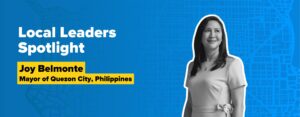
Mayor Joy Belmonte of Quezon City, Philippines
“Strengthening the people’s council means strengthening democracy at the local level—I envision a city where participation is second nature, where communities are empowered to help shape policies and demand good governance.”
Featured Story
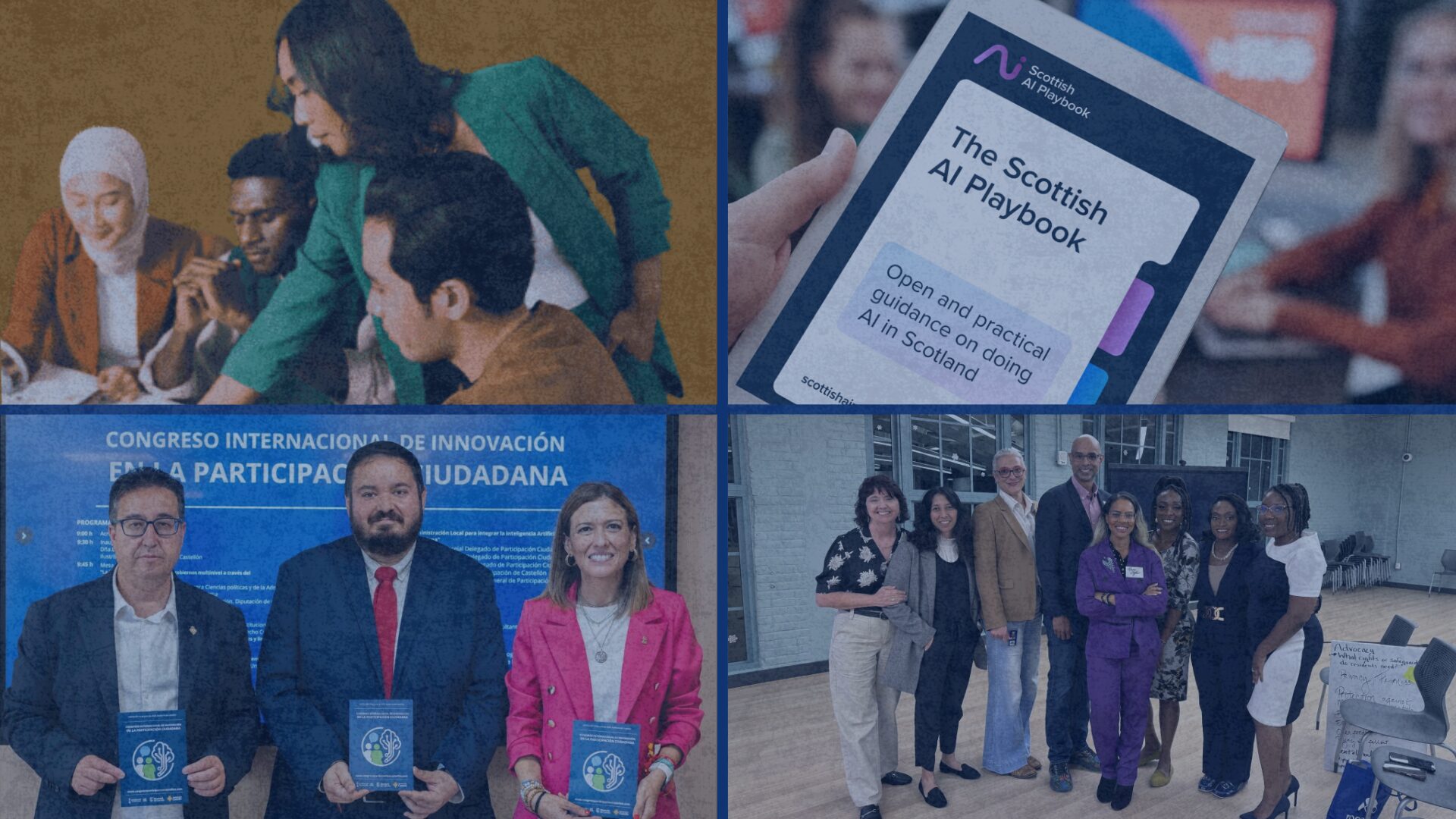
OGP Local members are embedding transparency, participation, and accountability into digital governance practices. These reforms aim to improve oversight of data, open the use of AI to public scrutiny, and involve citizens in shaping how digital systems are designed and used to ensure more fair, inclusive, and trustworthy public services. More here.
From Promises to Action
NEW ACTION PLANS, NEW AMBITIONS
Mendoza City (Argentina)’s second action plan aims to institutionalize participatory budgeting, strengthen open innovation through a permanent Hub, and establish a transparent, participatory Green Fund for environmental projects. More here.
CHANGE IN MOTION
Navarra (Spain) is advancing its participation agenda by consolidating the existing Participation Council as a more stable and central space for dialogue and promoting more deliberative processes to integrate citizens’ input into public services and decision-making. More here.
Contagem (Brazil) is establishing a new Chamber for the Prevention and Resolution of Administrative Conflicts to resolve disputes outside the courts and promote negotiated solutions. This aims to improve access to justice and enable more transparent, participatory, and responsive public decision-making. More here.
Kakamega County (Kenya) held consultations across government departments and oversight bodies to shape its 2026–2027 Fiscal Strategy and budget priorities, which aim to promote transparency, accountability, equitable resource allocation, and a stronger focus on citizens’ needs. More here.
Ouellé (Côte d’Ivoire) elected a 12-member children’s municipal council, where over 2,500 children (aged 8 to 12) voted for their representatives. This gives young people a voice in local governance and helps foster early civic participation. More here and here.
Bogotá (Colombia) launched an Open State Circle to bring together civil society, academia, and other stakeholders to monitor the implementation of its second action plan, strengthening public accountability. Sign up here.
São Paulo (Brazil) launched a public consultation to prioritize challenges for its fourth action plan, inviting residents to vote on key issues that will shape the co-creation of commitments on transparency, participation, innovation, and inclusion. More here.
Córdoba Province (Argentina) launched a new space for ongoing feedback on its open data portal, bringing together civil society and academia to present the upgrade. Participants also gathered input on accessibility, usability, and data quality, and agreed on mechanisms for ongoing participation and strengthening collaborative governance of open data policy. More here and here.
Nandi County (Kenya) is improving legal accessibility by translating the Equitable Development Act into Kiswahili, making it easier for residents to understand how public resources are managed and engage with governance processes. More here.
Seventeen municipalities in Costa Rica are piloting a new integrity framework that uses self-assessments and risk analyses to strengthen transparency, accountability, and anti-corruption efforts at the local level. More here.
Local Lessons
EXCHANGING IDEAS
🌐 In Ukraine, over 300 government and civil society representatives came together to exchange practices on transparency and citizen participation during wartime. Discussions stressed the importance of aligning local and national action plans and maintaining inclusive governance as a foundation for recovery and resilience. More here.
🌐 Local government representatives from Osasco (Brazil) and Buenos Aires (Argentina), alongside Delibera Brasil, exchanged good practices on transparency, participation, and democratic innovation during a seminar hosted by Osasco. More here.
TAKEAWAYS
📘 Learn how Scotland (United Kingdom) is strengthening open government through more accessible open data, improved transparency of public finances, the co-design of health and care services with users and frontline staff, and expanded participation and coordination across government. More in the “Resources” section of the Member page.
RESOURCES
📘 Explore a new guide from Goiás (Brazil) on public compliance, which showcases the tools, frameworks, and real cases behind its integrity model and offers lessons for strengthening transparency and good governance. More here and here.
📘 Discover Madrid (Spain)’s upgraded open data platform, with improved usability, navigation, and access to datasets. The platform showcases how more accessible and reusable data can support transparency, innovation, and better public services. More here and here.
Get Involved
EVENTS
🌐 OGP Local members gathered for an OGP Local Global Virtual meeting to connect with peers, exchange updates and opportunities, and prepare for an exciting year ahead. More here.
🌐 Save the date: The UCLG World Congress will take place from June 22–25, 2026, in Tangier (Morocco), bringing together local and regional governments from around the world. More here.
🌐 Save the date: The III International Congress on Open Government and Governance will take place in Mexico City (Mexico) from October 28–30, 2026, bringing together academics, governments, and civil society. Call for papers opening soon. More here.
OPPORTUNITIES
🌐 Become a mentor for the Mainstreaming Participation Accelerator Phase II and support local governments and civil society organizations to design and institutionalize participatory programs. Apply by April 16, 2026. More here.
Open Gov Challenge
As we look ahead to World Creativity and Innovation Day, Zagreb (Croatia) shows that innovation isn’t only about new technologies—it’s about rethinking how governments work. Through participatory budgeting, the city is opening up decision-making and giving residents a direct role in shaping their neighborhoods.
Leave a Reply