End of Commitment Report – Improve and develop the System of Popular and Citizen Participation in the Municipality of Contagem, expanding popular and democratic participation in the formulation of public policies.
- Action Plan: Action plan – Contagem, Brazil, 2022 – 2024
Overview
Name of Evaluator
Isabella Lígia Moraes
[email protected]; [email protected]
Member Name
Contagem, Brazil
Action PlanAction plans are at the core of a government’s participation in OGP. They are the product of a co-creation process in which government and civil society jointly develop commitments to open government ... Title
Action plan – Contagem, Brazil, 2022 – 2024
CommitmentOGP commitments are promises for reform co-created by governments and civil society and submitted as part of an action plan. Commitments typically include a description of the problem, concrete action...
Improve and develop the System of Popular and Citizen ParticipationAccording to OGP’s Articles of Governance, citizen participation occurs when “governments seek to mobilize citizens to engage in public debate, provide input, and make contributions that lead to more ... More in the Municipality of Contagem, expanding popular and democratic participation in the formulation of public policies.
Title
Improve and develop the System of Popular and Citizen Participation in the Municipality of Contagem, expanding popular and democratic participation in the formulation of public policies.
Action
Implement the Decide Contagem (Decidim) digital platform and consolidate a participation system with various tools, processes, and channels of participation that can impact on territorial inequities, include historically underrepresented groups in politics, and strengthen public policies. In this sense, we seek a system that considers 3 complementary approaches: the Territorial Approach, Interest Group Approach, and Thematic Approach. All these approaches should interact based on a solidary systemic logic that seeks transversal convergence of the various approaches and not competition.
Problem
Although the municipality has a wide range of participatory tools, there is a need to integrate these processes, improve the definition of the attributions of each participation channel in a clearer way, and evaluate the possibilities of advancing in deliberative processes. The planning for the municipal system of popular and citizen participation has not yet been fully implemented, and we still have many instruments with little or no operation, such as the Program Talk to the Mayor, the Interreligious Council, and the City Council.
Section 1.
Commitment completion
1.1 What was the overall level of progress in the commitment implementation at the time of this assessment?
Substantial
Provide a brief explanation of your answer:
The improvement of the Municipal System of Popular Participation, through the fulfillment of most of the proposed milestones, worked to expand and institutionalize popular and democratic participation. The main points of this commitment include the updating of the Decide Contagem platform to facilitate access and the registration process for citizens, the training of the municipality’s technology team to maintain the platform, the approval of the Participation System legislationCreating and passing legislation is one of the most effective ways of ensuring open government reforms have long-lasting effects on government practices. Technical specifications: Act of creating or r..., which guarantees structured governance for participation channels, the allocation of funds to the 8 (eight) Regional Councils to carry out works chosen by the population and the guarantee of their continuity even in government changes. To strengthen popular participation, training on participation systems was also carried out in partnership with the Universidade Federal de Minas Gerais (UFMG), which was given to around 800 members of Regional Councils and focal points of administrative secretariats.
Provide evidence that supports and justifies your answer:
1.1 Layout of Decide Contagem Platform
1.1 Federal Government, in partnership with Contagem, to improve the digital platform in 2023
1.1 Bill Popular Participation System

1.2 Describe the main external or internal factors that impacted implementation of this commitment and how they were addressed (or not).
One of the obstacles to implementing this commitment was the deadline for finalizing the adjustments to the new version of the Decide Contagem platform, which ended up delaying some planned deliveries, such as the preparation of the manual and the training of the technical team at the Information Technology Secretariat.
In the promotion of the use of the Decide Contagem platform, the main challenge refers to the low capacity of municipal departments to promote digital participatory processes, as the predominant culture is still focused on face-to-face models. This is considered the most challenging commitment of the Government Secretariat, as it involves the implementation of the governance of the city’s popular participation system.
With the sanction of Law 5,443, on December 29, 2023, which established the legal framework for popular participation in the city, the challenge faced by the Government Secretariat (SEGOV) is the regulationGovernment reformers are developing regulations that enshrine values of transparency, participation, and accountability in government practices. Technical specifications: Act of creating or reforming ... of this law through decrees and ordinances, to ensure its full execution.
Regarding the process of training the technical team, the main difficulty reported was the need for more hours of training, considering that the learning curve has not yet been completely overcome. This training is extremely important to guarantee learning and continuity of operations in the long term, so to solve this problem, Fundação Getúlio Vargas (FGV) is committed to carrying out further training for this team, aiming to consolidate learning. Finally, it is important to highlight that the restrictions during the electoral period also influenced and ended up delaying and compromising the delivery of some milestones of this commitment.
1.3 Was the commitment implemented as originally planned?
Most of the commitment milestones were implemented as planned
Provide a brief explanation of your answer:
One of the milestones, the development of a mobile application for the Decide Contagem platform, was removed from the initial proposal, as the responsible department concluded that, with the update to the platform’s layout, the web page provides good mobile support and preserves its functionalities. There is also an ongoing milestone, preparing a manual with basic instructions to assist administrators (focal points) of the digital tool, which has already gone through a planning phase to define the most relevant teaching for the target audience, but was impacted by the delay in updating the platform. In turn, the five basic milestones for the development of the work were finalized, including carrying out training for the agents involved, dissemination of the use of the platform, construction of the bill that regulates the system, and, finally, participation in joint events with the International Community and the International Observatory for Participatory Democracy (OIDP).
Provide evidence for your answer:
1.3 Federal Government Contagem share experiences on social participation 2024
1.3 Decide Contagem layout mobile
1.3 2nd Seminar Popular Participation


Section 2.
Did it open government?
2.1.1. – Did the government disclose more information; improve the quality of the information (new or existing); improve the value of the information; improve the channels to disclose or request information or improve accessibility to information?
Not Applicable
2.1.2. – Did the government create new opportunities to seek feedback from citizens/enable participation inform or influence decisions; improve existing channels or spaces to seek feedback from citizens/enable participation/ inform or influence decisions; create or improve capabilities in the government or the public aimed to improve how the government seeks feedback from citizens/enables participation/ or allows for the public to inform or influence decisions?
Yes
Degree of result:
Major
Explanation: In narrative form, what has been the impact on people or practice.
The Municipal System of Popular and Citizen Participation (SMPPC) is made up of eleven digital, in-person, or hybrid participation channels, with the aim of democratizing municipal management and promoting citizenship. It enables and encourages the participation of civil society throughout the cycle of elaboration, implementation, and supervision of municipal public policies.
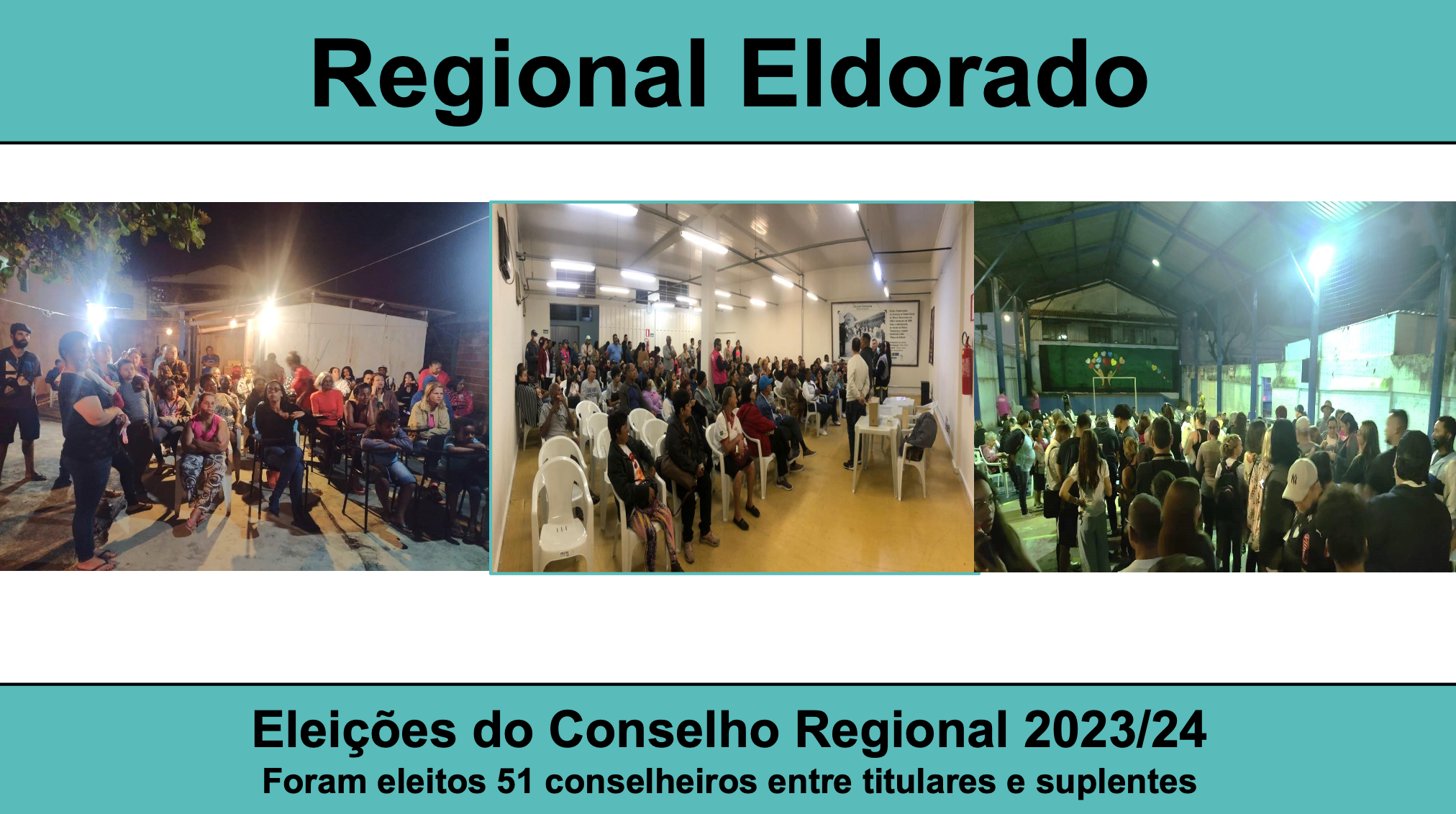
As evidence of the effectiveness of these channels, the last election of the counselors who preside over the Regional Councils can be cited, which took place through a broad process of mobilization, reaching the mark of 10,094 voters in 120 plenary meetings held throughout the city. The Territorial Plenaries are annual open meetings with the participation of the Mayor and municipal secretaries, with the aim of providing accounts, receiving demands, and carrying out direct dialogue with the population, with the participation of more than 4,000 people from all regions of the city, in the last year.
Provide evidence for your answer:
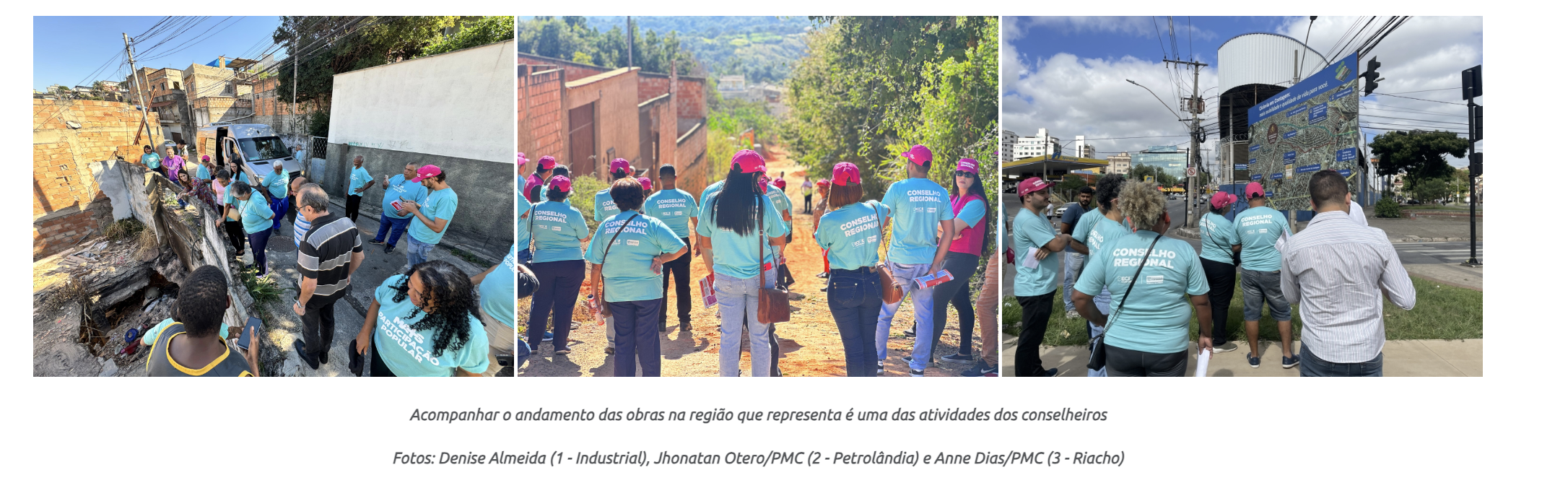
2.1.2 Supervision of works elected by popular vote
2.1.2 Election of regional councilors by popular vote
2.1.2 Decide Contagem in numbers

2.1.3 Did the government create or improve channels, opportunities or capabilities to hold officials answerable to their actions?
Not Applicable
2.1.4 Other Results
Not Applicable
2.2 Did the commitment address the public policy problem that it intended to address as described in the action plan?
Yes
Provide a brief explanation of your answer:
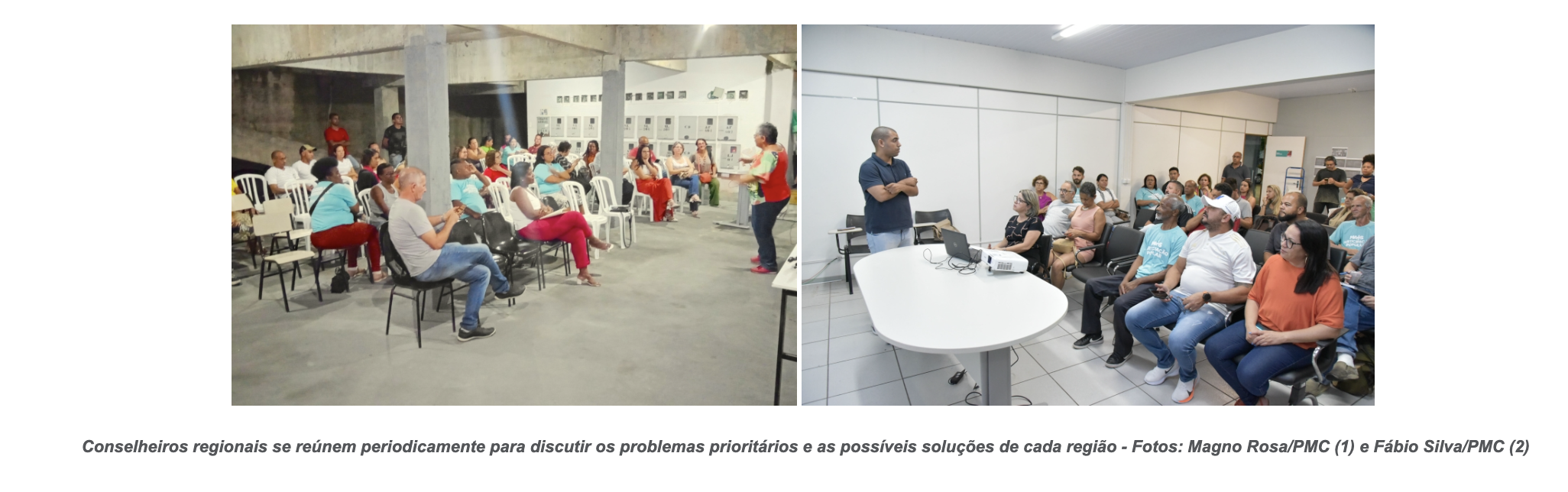
This commitment is intended to resolve issues related to the lack of legislation that would guarantee the continuity of participation processes and democratic management of the municipality, and a system of participatory governance with centralization of information, methodological improvement,t and monitoring of demands and reporting of results. The restructuring of the platform met the need for organization and convergence of information, in addition to encouraging intuitive and transparent access by citizens. In turn, the training of government members and focal points in the Regional Councils promoted a pedagogical and methodological nature for instruction both on the use of the platform and on the importance of participatory management. The collaboration with the Federal Government, added to the interaction with international experiences related to popular participation and open government, places Contagem among the governments that advance in the construction of participatory management.
Provide evidence for your answer:
Section 3.
Lessons from
implementation
3. Provide at least one lesson or reflection relating to the implementation of this commitment. It can be the identification of key barriers to implementation, an unexpected help/hindrance, recommendations for future commitments, or if the commitment should be taken forward to the next action plan.
The Municipal System of Popular and Citizen Participation of Contagem faced some challenges in promoting and achieving the adherence of municipal secretariats and regional and public policy councils in the implementation of digital participatory processes, given the predominant culture of carrying out face-to-face processes. Furthermore, there was the challenge of adhesion and adaptation of the population to access and use the Decide Contagem tool, which was even updated, aiming to facilitate access and the registration process on the platform. This process of updating Decide Contagem ended up impacting the deadline and delivery of some milestones of this commitment, such as the creation of a manual with instructions for use and the insertion of content on the platform.
The restrictions faced during the electoral period in 2024 also impacted the achievement of some milestones and compromised certain activities that were planned, such as holding and participating in events with the international community, which had to be postponed. Through an effort by the Government Secretariat, the 2nd International Seminar on Popular Participation and Open Government was held in November 2024.
It is important to highlight that the creation of the legislation that establishes the SMPPC was a milestone and represents an immense gain for the population, by guaranteeing the continuity of participation processes and strengthening democracy, ensuring the allocation of a minimum budget of one million reais annually for the implementation of works and improvements in the 8 (eight) regions of the municipality.
Considering the level of progress in the implementation of this commitment and the continuity that is ensured by legislation, which guarantees the stability of this commitment, there is no need for its inclusionOGP participating governments are working to create governments that truly serve all people. Commitments in this area may address persons with disabilities, women and girls, lesbian, gay, bisexual, tr... More in the next action plan, given the results that have been achieved.
Leave a Reply