
End of Commitment Report – Installation of an Interactive Screen of the Community Development Program in Vanadzor and Gyumri.
- Action Plan: Action plan – Gyumri, Armenia, 2021 – 2026
Overview
Name of Evaluator
Arpine Hakobyan (“NGO Center” civil society development NGO)
[email protected]; [email protected]
Member Name
Gyumri, Armenia
Action PlanAction plans are at the core of a government’s participation in OGP. They are the product of a co-creation process in which government and civil society jointly develop commitments to open government ... Title
Action plan – Gyumri, Armenia, 2021 – 2026
CommitmentOGP commitments are promises for reform co-created by governments and civil society and submitted as part of an action plan. Commitments typically include a description of the problem, concrete action...
Installation of an Interactive Screen of the Community Development Program in Vanadzor and Gyumri.
Title
Installation of an Interactive Screen of the Community Development Program in Vanadzor and Gyumri.
Action
The installation of Interactive Screens in crowded places of Vanadzor and Gyumri will give an opportunity to see with an interactive method what is envisaged by the community development program for the given year. The contents of the interactive screen will be updated periodically and already performed, modified processes/tasks will be marked in a different color.Planned to include Interactive Budget information as well.
Problem
The access and support of the community development program, installation of an interactive screen in crowded places of Vanadzor and Gyumri.
Section 1.
Commitment completion
1.1 What was the overall level of progress in the commitment implementation at the time of this assessment?
Not started
Provide a brief explanation of your answer:
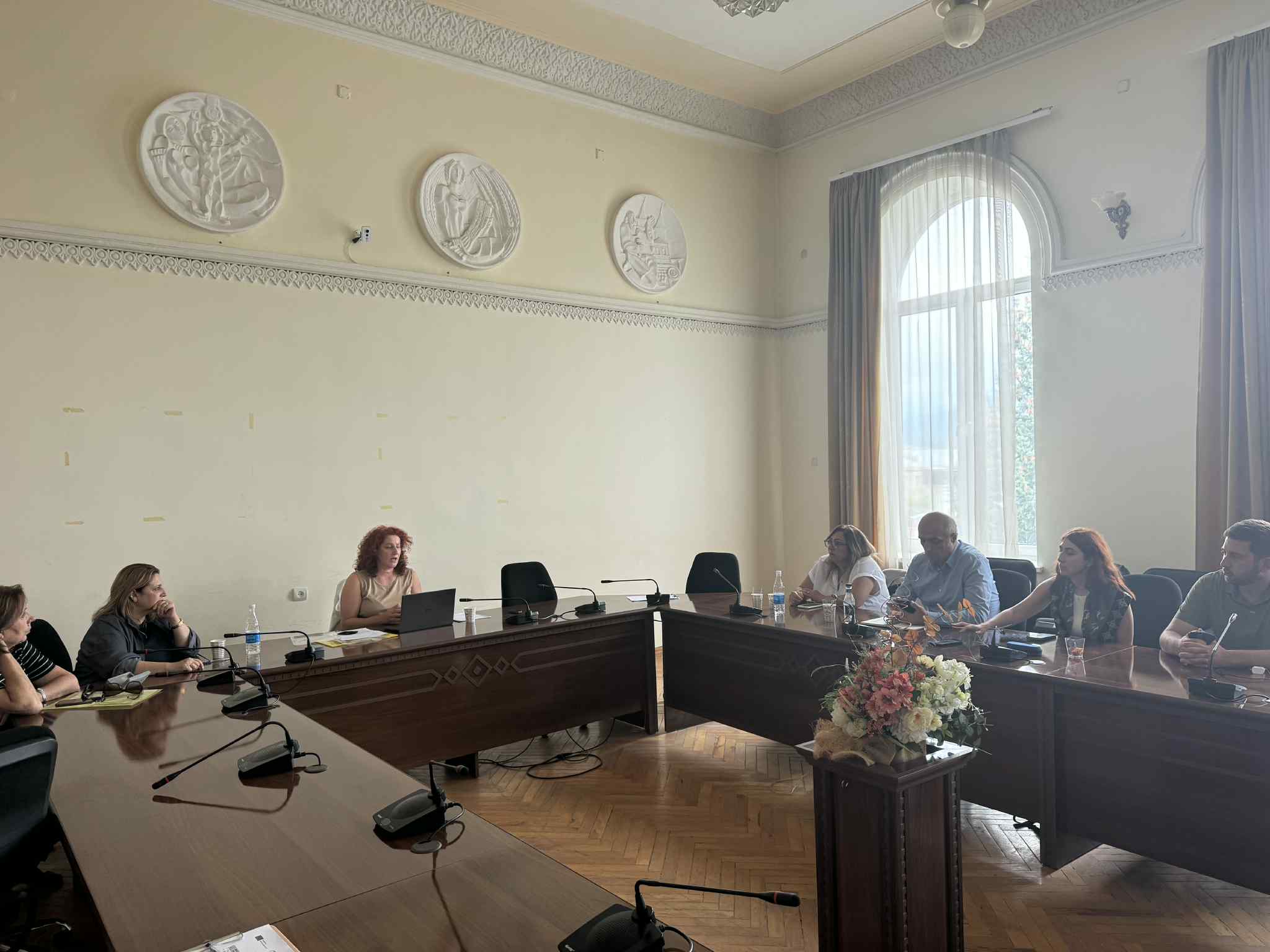
The commitment to install interactive screens in Gyumri was not implemented. Gyumri municipality did not allocate financial resources for the project, and no procurement, installation, or content development steps were recorded. Focus group discussions with seven CSOs in Gyumri revealed that only one was aware of OGP commitments, and this was due to its leader’s prior role in the city council. Municipal officials confirmed that the commitment was not carried out, and no interactive screens were observed in public spaces.
Evidences:
- Gyumri CSO focus group.
- Gyumri municipal website – no reference to interactive screen project.
Provide evidence that supports and justifies your answer:
Focus Group Gyumri.jpeg
Focus Group Gyumri Participant-list6.pdf
1.2 Describe the main external or internal factors that impacted implementation of this commitment and how they were addressed (or not).
The main barrier was a lack of institutional continuity and political instability. In October 2024, the mayor and several council members resigned, and only in December was an acting mayor appointed. No formal handover of commitments was conducted, leaving new authorities unaware of prior OGP obligations. This was confirmed by a deputy mayor in 2024, who admitted not knowing about participatory budgeting or interactive screen commitments.
Secondly, there was no budget allocation in Gyumri’s municipal budget for 2021–2022, which made it impossible to implement technical milestones such as procurement, installation, or video production.
Additionally, low awareness of OGP processes among civil society and municipal departments weakened oversight. Out of seven CSOs interviewed, only one was aware of OGP in Gyumri. The commitment required collaboration with multiple departments (architecture, culture, educationAccountability within the public education system is key to improving outcomes and attainment, and accountability is nearly impossible without transparent policies and opportunities for participation ..., development programs, tourism committee), but no coordination mechanisms were set up.
Thus, both external (political changes) and internal (no resources, no coordination) factors combined to halt the commitment. None of these challenges were addressed during the action plan cycle.
1.3 Was the commitment implemented as originally planned?
The commitment implemented was completely different from the plan.
Provide a brief explanation of your answer:
None of the planned milestones, designing the screen, determining location, shooting informational videos, procurement, or installation, were implemented. The commitment remained entirely on paper, and no evidence of practical action exists. The combination of lack of funds, leadership turnover, and low prioritization resulted in the abandonment of the commitment.
Evidences:
- Municipal budget reports (no allocation for interactive screens).
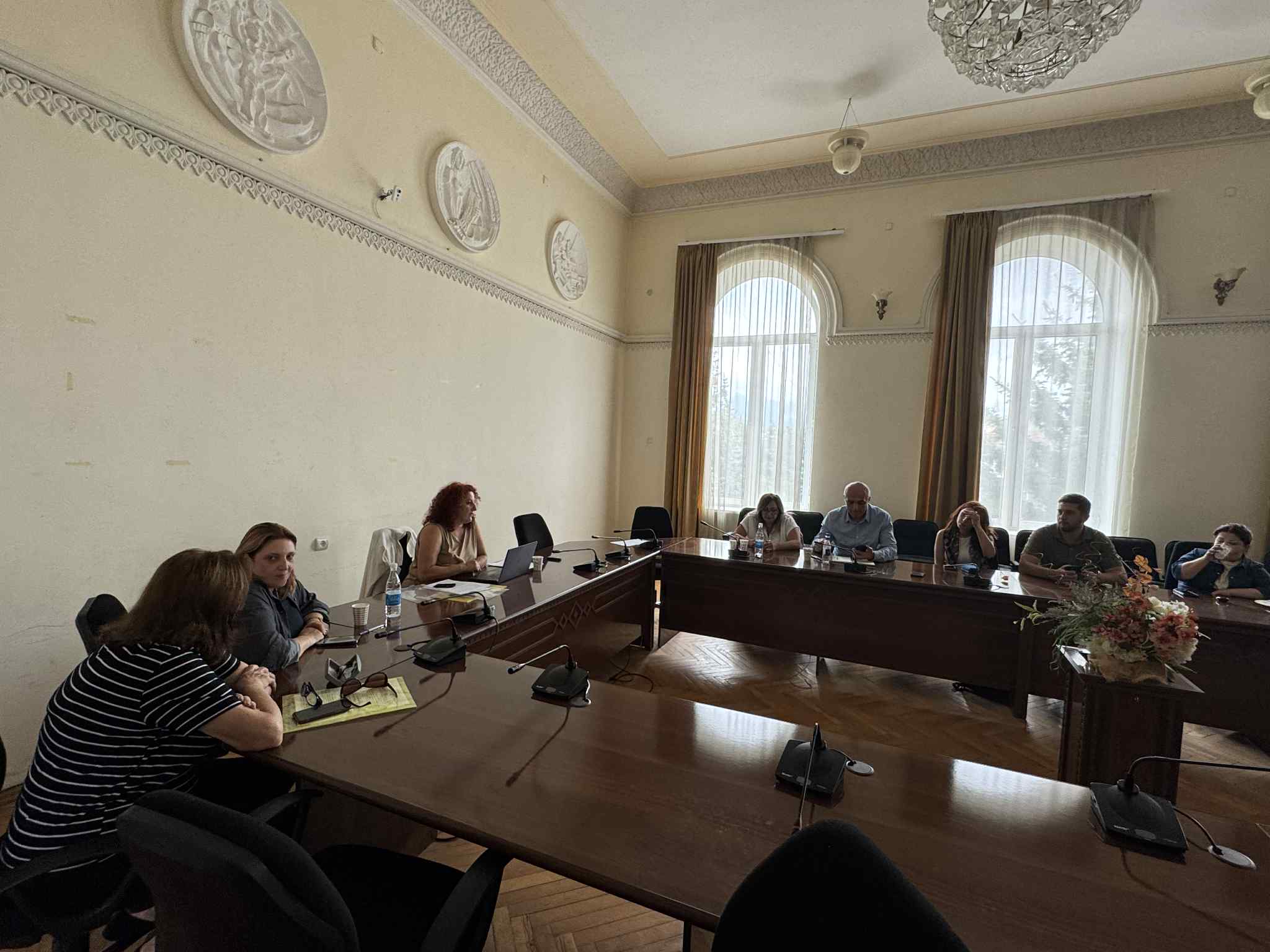
- Gyumri CSO focus group.
Provide evidence for your answer:
Focus Group Gyumri-CSOs.jpeg
Focus Group Gyumri Participant List7.pdf
Municipal Budget.docx
Section 2.
Did it open government?
2.1.1. – Did the government disclose more information; improve the quality of the information (new or existing); improve the value of the information; improve the channels to disclose or request information or improve accessibility to information?
No
Degree of result:
Did not change
Explanation: In narrative form, what has been the impact on people or practice.
The commitment is intended to improve access to information by displaying interactive data on community development programs and budgets. Since no screen was installed and no content developed, no additional information was disclosed. Citizens in Gyumri did not benefit from this tool.
Evidence:
Municipal websites of Gyumri (no interactive screens or related updates)
2.1.2. – Did the government create new opportunities to seek feedback from citizens/enable participation inform or influence decisions; improve existing channels or spaces to seek feedback from citizens/enable participation/ inform or influence decisions; create or improve capabilities in the government or the public aimed to improve how the government seeks feedback from citizens/enables participation/ or allows for the public to inform or influence decisions?
No
Degree of result:
Did not change
Explanation: In narrative form, what has been the impact on people or practice.
Interactive screens could have enabled citizens to view development plans and provide feedback in public spaces. However, as the project was not implemented, no new participatory opportunities were created, and citizens continued to rely on traditional channels for municipal information.
Evidence:
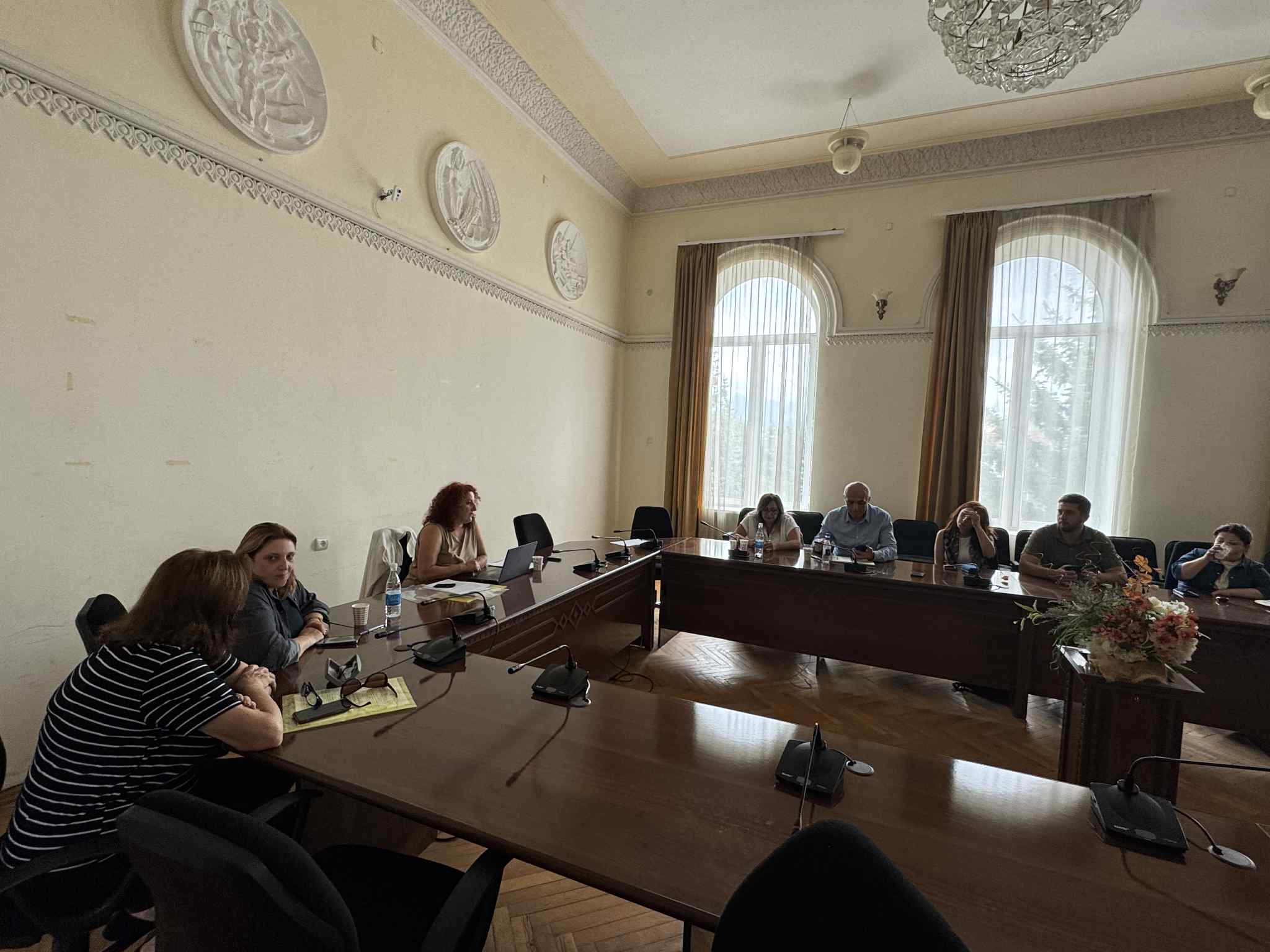
Gyumri CSO focus group.
Provide evidence for your answer:
Focus Group Gyumri Participant List8.pdf
Focus Group Gyumri-CSOs1.jpeg
2.1.3 Did the government create or improve channels, opportunities or capabilities to hold officials answerable to their actions?
No
Degree of result:
Did not change
Explanation: In narrative form, what has been the impact on people or practice.
The interactive screens were designed to allow citizens to monitor the implementation of community development projects in real-time. Their absence meant no accountability mechanisms were introduced, and residents could not hold municipal officials accountable for project progress.
Evidence:
Interview with Deputy Mayor of Gyumri, 2024.
2.1.4 Other Results
Not Applicable
2.2 Did the commitment address the public policy problem that it intended to address as described in the action plan?
No
Provide a brief explanation of your answer:
The public policy problem: lack of accessible, transparent, and up-to-date information on municipal development programs was not addressed. Without the installation of screens, citizens had no new ways to access budget or project information. The status quo remained unchanged.
Evidence:
Municipal websites (Gyumri)
Section 3.
Lessons from
implementation
3. Provide at least one lesson or reflection relating to the implementation of this commitment. It can be the identification of key barriers to implementation, an unexpected help/hindrance, recommendations for future commitments, or if the commitment should be taken forward to the next action plan.
The failure of this commitment highlights several lessons:
- Resource allocation is essential. Without dedicated municipal funds, commitments remain unimplemented regardless of their relevanceAccording to the OGP Articles of Governance, OGP commitments should include a clear open government lens. Specifically, they should advance at least one of the OGP values: transparency, citizen partic....
- Institutional continuity must be safeguarded. The leadership change in Gyumri in late 2024 demonstrated that commitments are vulnerable when there is no system for transferring knowledge and obligations.
- CSO awareness and oversight are weak. Only one out of seven CSOs in Gyumri was aware of OGP commitments, reflecting the need for stronger communication and engagement.
- Multi-departmental coordination is challenging. Implementation required input from architecture, culture, tourism, and development departments, but no coordination was achieved.
For future commitments, municipalities should:
- Secure budgetary allocations in advance.
- Establish institutional memory mechanisms (handover protocols).
- Involve civil society systematically, not only individual representatives.
- Integrate transparencyAccording to OGP’s Articles of Governance, transparency occurs when “government-held information (including on activities and decisions) is open, comprehensive, timely, freely available to the public,... More tools into broader digital governanceAs evolving technologies present new opportunities for governments and citizens to advance openness and accountability, OGP participating governments are working to create policies that deal with the ... More strategies to ensure sustainability.
Leave a Reply