Local members innovated not only in policy content but in process design—tailoring multi-stakeholder spaces for dialogue, expanding the diversity of civil society partners, and embedding inclusion into consultation processes. Insights into the approaches taken by local governments to develop their OGP action plans comes from the 61 monitoring reports published between 2017 and 2024, along with local action plans and interviews.
This section explores these good practices during key phases in the co-creation and implementation journey of OGP Local action plans.
CONTENTS
Building a Leadership Team
Identifying Spaces for Dialogue
Developing a Roadmap
Raising Awareness
Drafting Commitments Inclusively
Involving Stakeholders in Implementation
Monitoring Commitments
Assessing Action Plans
Sharing Progress
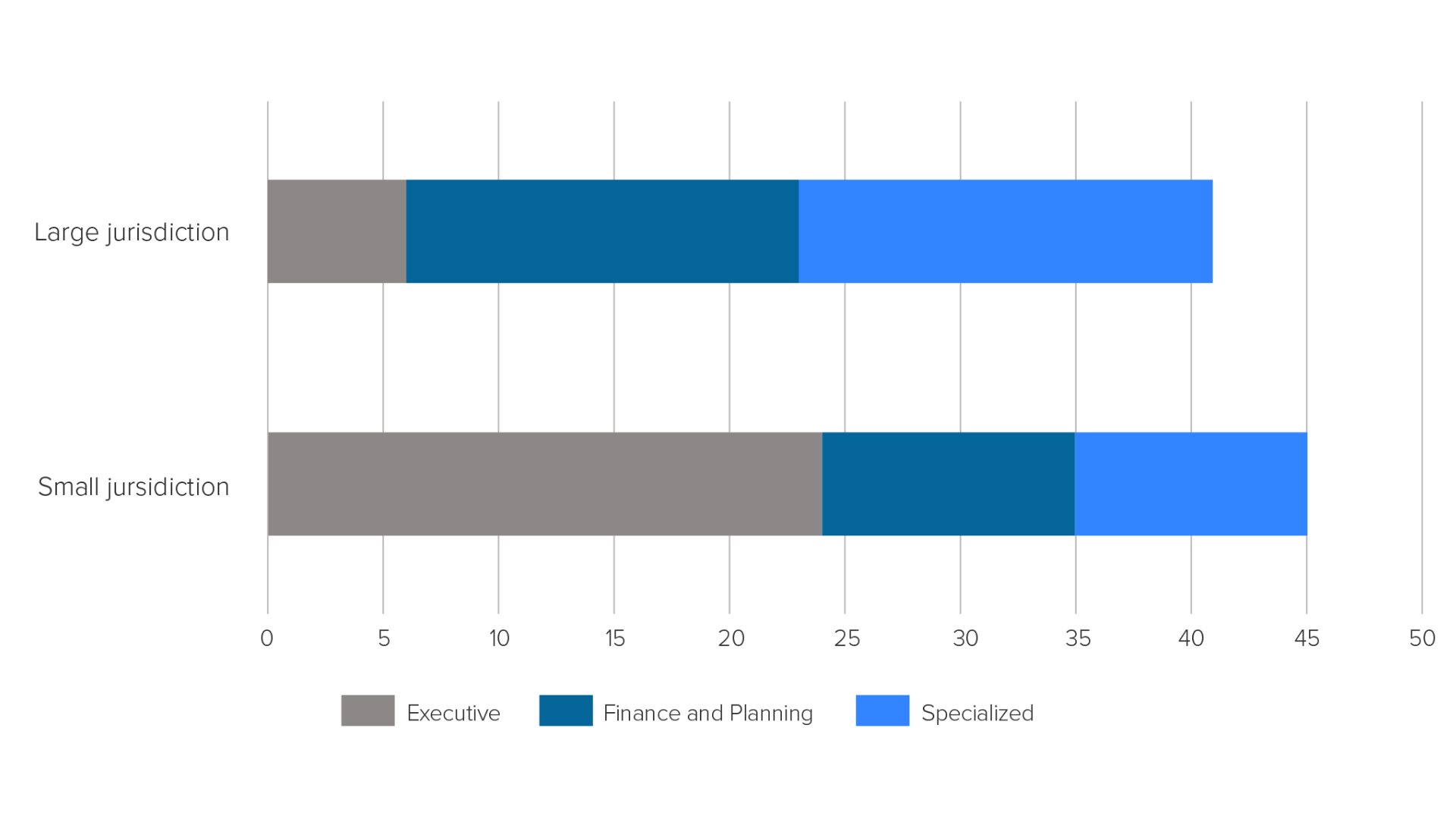
Across a sample of 86 locals, government leadership of OGP teams was evenly split across finance and planning departments, local executives, and other specialized agencies (either focused on open government or other policy areas like education, health, or youth).21 However, this varied for jurisdictions of different sizes. In larger local jurisdictions (i.e., those with over 1 million residents), it was more common for finance and planning departments to lead open government reforms, whereas in smaller local jurisdictions (i.e., those with less than 1 million residents), it was more common for local executives to lead. This may point to political leadership in smaller jurisdictions being key to supporting reforms, while larger jurisdictions with more resources were better able to integrate open government into functional departments.
OGP Leadership by Population Size
OGP local members identified existing or new spaces for dialogue to enable regular multi-stakeholder participation in the co-creation and implementation of OGP action plans.
As a minimum requirement of OGP membership, identifying spaces for dialogue was a widespread practice among locals. According to 60 published local monitoring body assessments, 54 locals had multi-stakeholder forums that held at least one meeting with civil society during the co-creation of their action plans. Of those, 49 had non-governmental stakeholders endorse the final action plan. There may be more active multi-stakeholder forums that are not captured in this report due to a lack of published local monitoring body assessments.
Locals tailored their spaces for dialogue to take advantage of their jurisdictions’ unique opportunities. Some identified existing fora or mechanisms for stakeholder engagement and repurposed these to operate as a space for dialogue on OGP topics (see Box 11). The review of 2021–2022 Local action plans showed that this was intended to avoid duplication, ensure alignment with ongoing policy priorities, and tap into sometimes long-standing networks, relationships, and resources.
As locals designed these spaces for dialogue, some used representation to weave the needs of key sectors of their communities into OGP reforms (see Box 12). For instance, Catalonia (Spain) formed its multi-stakeholder forum with an eye for parity on gender as well as government and non-government representation. Meanwhile, by bringing in more stakeholders by its third plan, São Paulo (Brazil) had grown its multi-stakeholder forum from 6 to 32 members, with equal representation of government and non-government stakeholders. In an interview, a stakeholder noted that the wider group built more buy-in for reforms, and a shift to consensus decision-making reduced conflict compared to earlier plans.
With an eye to institutionalizing OGP, at least 19 locals formalized their spaces for dialogue and open government processes through decrees, ordinances, regulations, memoranda of understanding, association agreements, and framework agreements. Reasons ranged from obtaining a higher level of government authorization to creating a framework for cooperation between different levels of government or between government, civil society, and other partners. For example, in Indonesia, the heads of government of West Nusa Tenggara and West Sumbawa issued decrees on the composition of their OGP coordination teams. In Quintana Roo (Mexico), the governor and key civil society organizations signed an Open Government Declaration to ensure high-level political support.
Box 11. The Aragón Open Government Lab
Aragón (Spain) both formed an OGP steering committee and drew on its existing open government lab (LAAAB). LAAAB had registered more than 2,700 individual users and 760 government and civil society organizations to co-create public policies. It brought a highly motivated network of local stakeholders and projects into the OGP process,22 although those involved had less understanding of OGP itself, and were less often new actors. In turn, its role in OGP also opened LAAAB itself—for instance by introducing citizen voting on workstreams.23
Box 12. Indigenous Representation in Santo Domingo de los Tsáchilas
Santo Domingo de los Tsáchilas (Ecuador) is a commercial and agricultural province with a vibrant Tsáchila indigenous community.24 Its OGP multi-stakeholder forum assembled representatives of an industrial guild, an eco-tourism group, the chamber of tourism, academia, state entities, and the Tsáchila community. This resulted in reforms that were responsive to local needs. A government representative reflected that the Tsáchila community’s participation was crucial to initiating an OGP commitment to preserve their ancestral and cultural heritage. The process was also accompanied by Fundación de Ayuda por Internet (FUNDAPI), an NGO which brought national-level expertise to the process.25
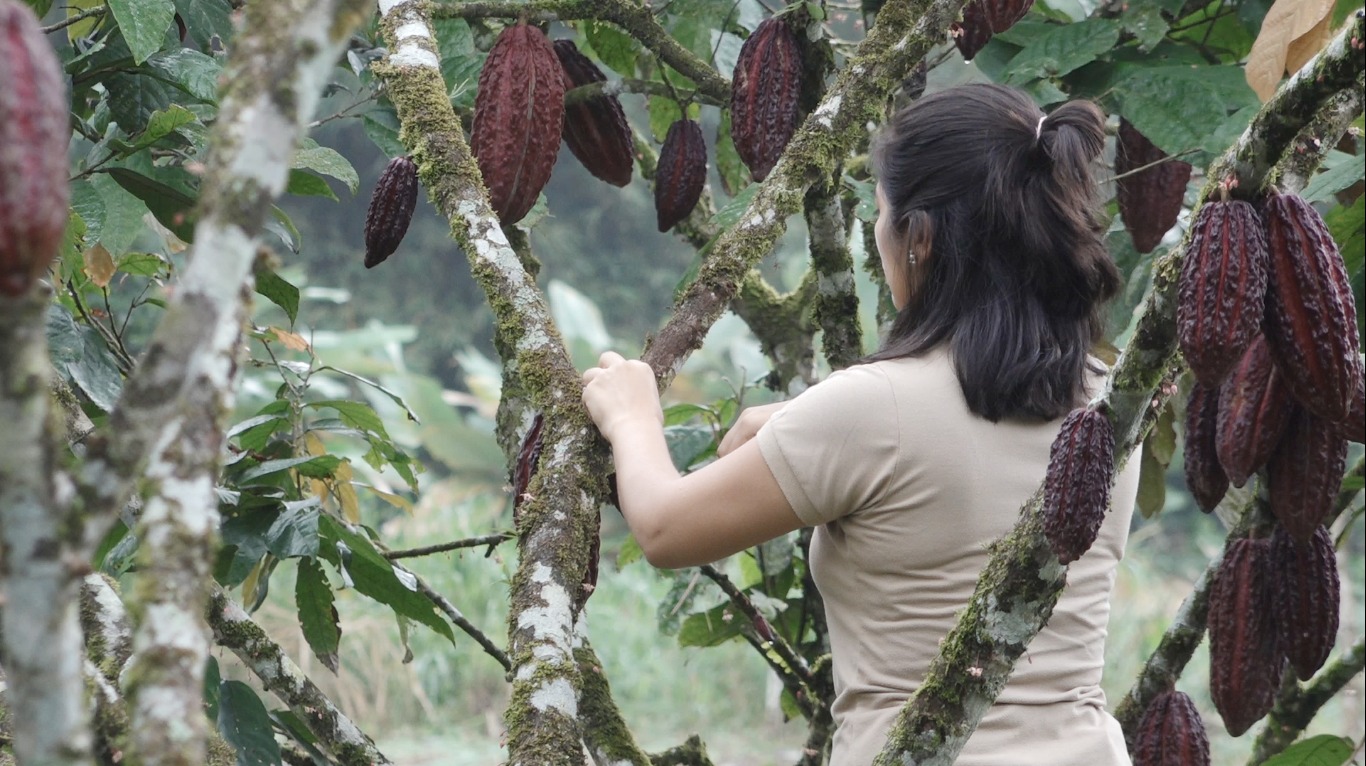
Local members developed roadmaps for their open government work, laying out open government strategies or determining the steps needed to develop OGP action plans—and in some instances, the public helped set the agenda.26 Prior to co-creating an OGP action plan, elected officials, NGOs, citizens, and marginalized groups in Yoff (Senegal) designed a five-year strategy (see Box 13). Meanwhile, Nuevo León (México) began with public consultations to identify intersections between OGP values and key government plans—becoming the basis for the ensuing co-creation workshops.27 In São Paulo (Brazil), government and external actors in the multi-stakeholder forum jointly developed the methodology for decision making, and even agenda setting, in the co-creation process. Similarly, civil society and government collaborated on designing the agenda for process and meetings in Timișoara (Romania).
Box 13. Beginning Co-Creation with Co-Creation in Yoff
Before Yoff (Senegal) co-created OGP commitments, it co-created a Sustainable Municipal Development Plan. The five-year plan laid out a strategy for local actions on economic, social, and environmental development—aligning these actions with nationwide efforts on the Sustainable Development Goals and the Emerging Senegal Plan. Through consultations, members of the community were given a say in the priorities of the plan, comprising elected officials, NGOs, professional associations, school committees, youth, and marginalized groups. When it came time for the municipality and the community to begin their OGP cycle, the plan offered a natural roadmap, becoming the framework for Yoff’s open government process.
To encourage participation in the OGP process, local members provided early public information in advance of developing OGP action plans.28 A civil society stakeholder in Ecuador reflected that providing the public with clear information from the start could elicit more solution-oriented commitment proposals that were relevant to OGP and local government mandates.29 São Paulo (Brazil) presented a co-creation timeline and background information on open government at its first multi-stakeholder forum meeting. Meanwhile, Catalonia (Spain) distributed information on potential policy areas for commitments, including their status quo and main challenges.
To design action plans that delivered meaningful open government solutions, local members consulted civil society and citizens on priority problems and areas of opportunity in their jurisdictions. Consultations benefited from active measures to engage underrepresented groups and transparent feedback on how input was used. Over successive action plans, many of these processes became more embedded and participatory as stakeholders gained experience running them.
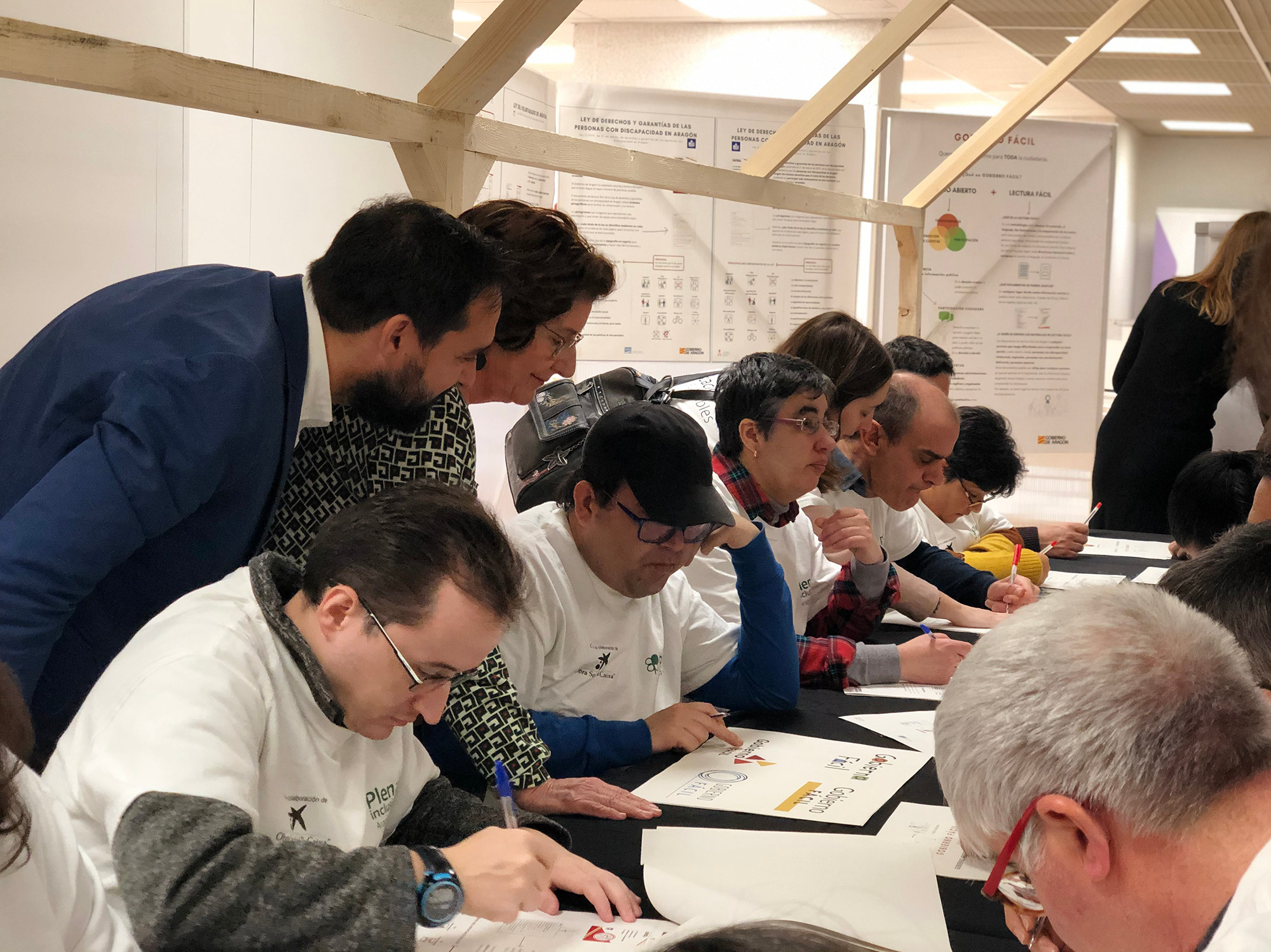
Certain local members designed their consultation process with an eye for the inclusion of underrepresented groups (see Box 14).30 Bogotá (Colombia) encouraged participation across socio-economic divides by ensuring gender parity, representation of caregivers, persons with disabilities, and geographic diversity at consultation workshops for the city’s open government action plan. Aragón (Spain) adapted the locations and times of day for consultations to ensure that spaces were accessible to persons with disabilities or reading comprehension difficulties.
As they engaged the public in co-creation, at least six local members experimented with specific measures to ensure clear communication and plain language, upon realizing it can be difficult for regular citizens to make sense of the technicalities of the OGP process. In some cases, this helped more marginalized communities take part. For example, Santo Domingo de los Tsáchilas (Ecuador) and Béni Mellal-Khénifra (Morocco) partnered with civil society organizations to shape OGP content that was understandable to residents from rural areas.31
Once input was received from the public, at least 14 local members followed up by providing feedback to explain how the input was incorporated into local OGP action plans.32 Aragón (Spain) published a report on its OGP website listing each proposal and briefly explaining why it had been included or excluded from the action plan. Others used a variety of channels to share feedback, ranging from in-person co-creation sessions and WhatsApp groups in West Nusa Tenggara (Indonesia) to emails and an online platform in Timișoara (Romania).
Over time, as 26 local members developed their second and third OGP action plans, there were examples of co-creation processes becoming more embedded and participatory—in part because stakeholders learned from each iteration. After their first action plans, the governments of Plateau State (Nigeria) and Aragón (Spain) handed more responsibility for commitment design to their multi-stakeholder forums.33 In Santo Domingo de los Tsáchilas (Ecuador), as the government began to better understand the technicalities of the OGP process, one of the key civil society partners recalls being able to focus more on the substance of co-creation.34 In turn, 15 local members had at least one reform they chose to progress iteratively with each new OGP action plan. For example, the first two action plans of Sekondi Takoradi (Ghana) began building partnership between landlords, resident associations, and government to improve access to household toilets, but saw challenges. In its third plan, the city co-created a six-year Water, Sanitation, and Hygiene strategic plan and launched a public registry with data ranging from sanitation facilities to clean drinking water.
Box 14. Open Government Geeks
in Nuevo León
“We were all open government geeks,” reflected one of the Nuevo León (Mexico) OGP leads. Across levels of government and civil society, a shared passion for collaboration shaped the form that OGP took in the state.
As OGP members, Nuevo León state, Monterrey municipality, and San Pedro Garza García municipality teamed up. They formed a coalition along with three key government and civil society bodies, taking turns hosting co-creation sessions. As a result, their first action plans consisted of two commitments from each government, coupled with two cross-cutting commitments owned by all three governments. The coalition’s approach to OGP structurally supported a multi-government vision of reform, rather than siloed agendas.
This opening for collaboration also brought diverse stakeholders to the table. As one of the coalition members, the public-private Nuevo León Council for Strategic Planning built the state’s vibrant community of local entrepreneurs into the OGP process. The Nuevo León business chamber became an observer of the OGP multi-stakeholder forum. Meanwhile, when a public consultation revealed that children and adolescents were rarely included in local policymaking, Nuevo León invited youth into the co-creation process as well. On their suggestion, one of the action plan commitments itself focused on empowering children in local decision-making.
New voices designing OGP commitments became new voices in designing their community. The commitment created learning materials and a teachers’ guide, explaining ‘participation’ and how children can use it to improve their communities and schools. Putting these tools into practice, the commitment installed comment boxes in 39 schools so children could propose improvements. This gave 5,808 students a new way to safely share their problems, ranging from bullying to the need for more sports programming and better school facilities. Nuevo León advised schools to carefully track students’ suggestions and form adult supervision groups joined by children and adolescents to turn the comment boxes into real-world reforms.35
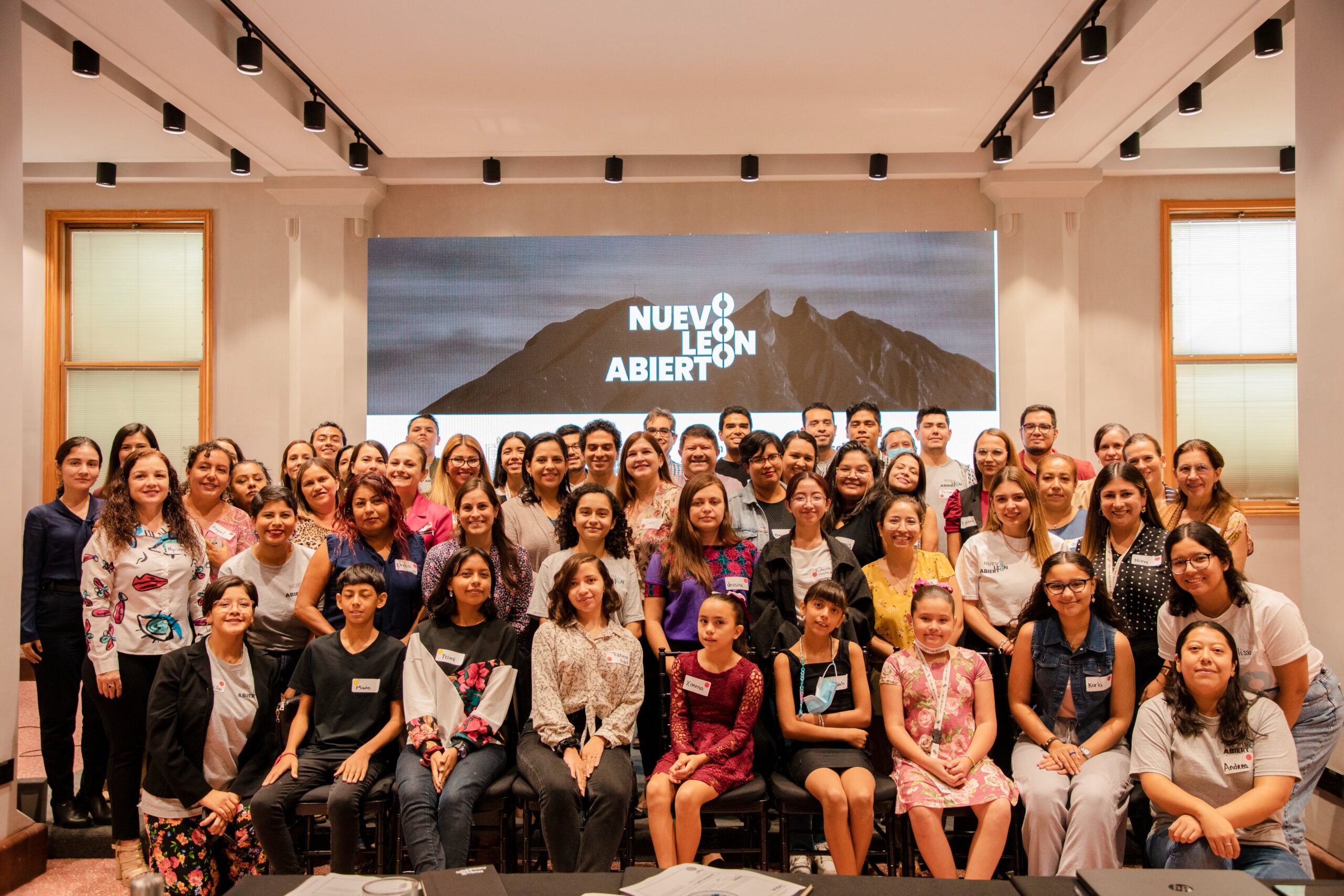
Credit: Government of Nuevo León.
For a number of local members, civil society groups engaged in developing the action plan commitments lent their expertise during implementation of the same reforms. For example, Plena Inclusión Aragón, an umbrella group for 37 local organizations representing people with intellectual or developmental disabilities, was involved during the process of developing Aragón’s (Spain) OGP action plan. During implementation, it collaborated with officials at monthly workshops to create easy-to-read adaptations of government documents and helped shape how the autonomous community approached accessibility (see Box 4). According to a representative of the group, going beyond monitoring to actively participate in a commitment led to stronger outcomes.36 This was also reflected in Plateau State (Nigeria) and Scotland (United Kingdom), where thematic government-civil society groups formed during the co-creation process carried over to implementation.37
Expectations on the extent to which civil society can be involved during implementation needed to match available time and resources. The reviews of 2018–2021 and 2021–2022 local action plans showed that securing financial resources is particularly challenging at the local level. In Nuevo León (Mexico), a local civil society representative emphasized that the biggest challenge is providing the right conditions for civil society to participate without imposing excessive burdens for participation on local groups often made up of volunteers.38
Given resource constraints, some local members had to grapple with the challenge of few civil society partners in their jurisdictions. In Plateau State (Nigeria), the competition for financial resources between the few civil society organizations led to disengagement from the OGP process for those unable to secure funding.39 To address resource gaps, Santo Domingo de los Tsáchilas (Ecuador) participated in contests that awarded grants for its commitments. This came with its own challenges, as the grants were often restricted to specific expenditures such as IT system implementation and maintenance. Once a grant ran out, the government then had to take on subsequent maintenance costs.40 Other suggestions from OGP local monitoring bodies have included engaging local businesses and NGOs, relying on volunteer initiatives, or developing partnerships with other public, private, and non-profit institutions. For example, Khmelnytskyi (Ukraine) brought academic institutions and professional bodies into its OGP process.
In addition, high-level local support, through engagement of governors and senior departmental leads, helped in successfully implementing local OGP action plans despite challenges (see Box 15). In Scotland (United Kingdom), the Director of Fiscal Sustainability and Exchequer Development provided strong backing for a fiscal transparency reform, which became one of the most successful features of the action plan. In Quintana Roo (Mexico), the governor openly collaborated in “Glosa Ciudadana,” citizen forums to co-create the commitments in the state’s first action plan. Likewise, the OGP process in Kaduna State (Nigeria) had significant government backing and so offered an entry point for civil society organizations to advance implementation of local accountability mechanisms.41
Box 15. Navigating Political Change
Elections and political changes at the local and national levels were sometimes difficult for local members to manage when implementing their reforms. For example, during its first action plan, Catalonia (Spain) had a change in government. As management teams and departments restructured, implementation of OGP commitments was impacted. However, local OGP processes also showed resilience to political change.
In the case of Brazil, its federal structure enabled local members to weather the challenges experienced at the national level during the Bolsonaro administration. An OGP stakeholder reflected, “locally, we didn’t have much interference because we had already institutionalized the Open Government Department, which helped us implement the agenda without interruption.”42
Meanwhile, in Plateau State (Nigeria), the 2023 election became a moment of opportunity to move open government up the political agenda. The local OGP steering committee hosted a televised debate in which all candidates for governor promised that they would advance local OGP reforms if elected. With cross-partisan support for open government, the new governor made good on his campaign promise following the elections.
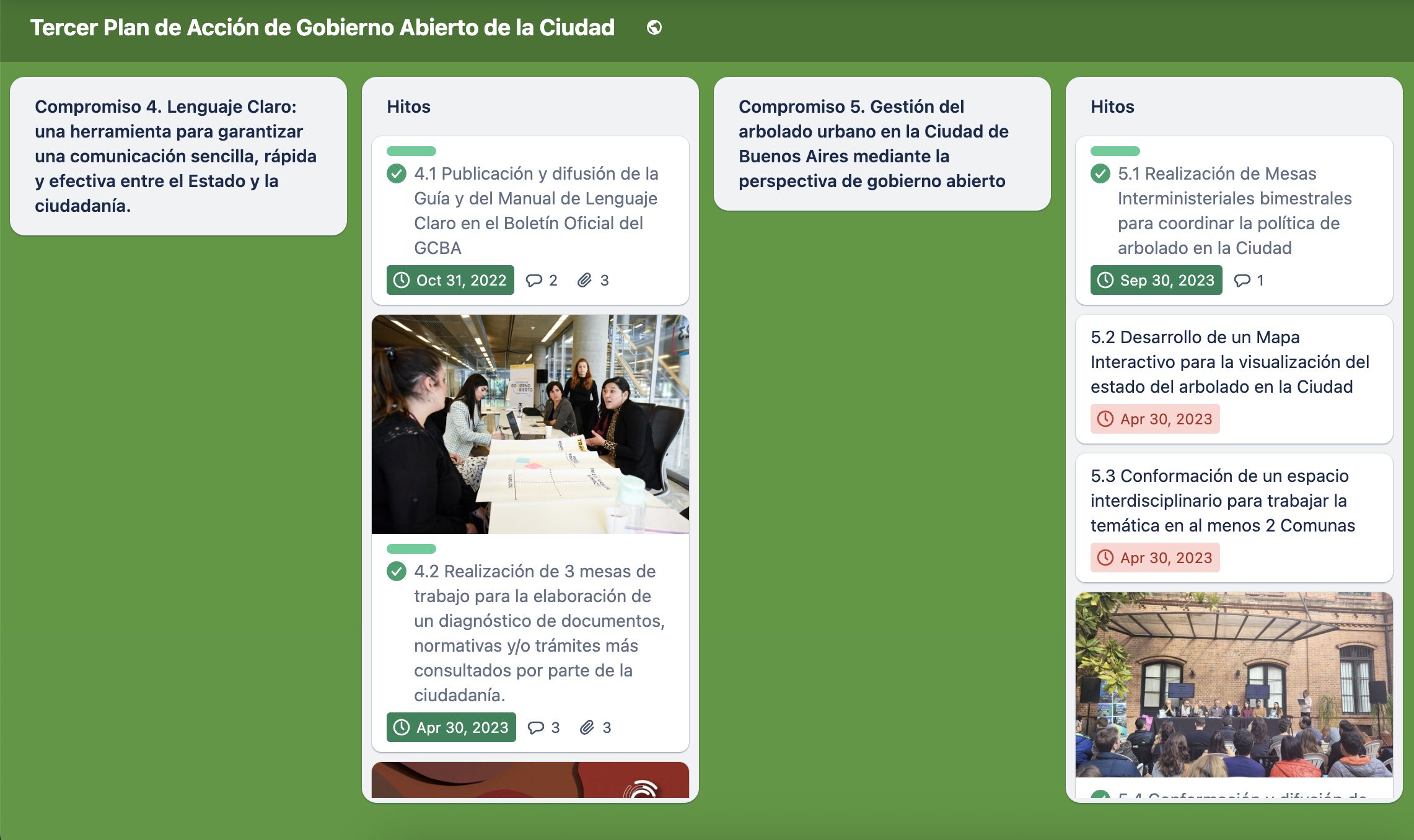
A number of locals developed innovative online tools that allowed their constituents to track implementation progress in real-time. In Peñalolén (Chile), a team of local university students spent a semester creating a tool to monitor the progress of their jurisdiction’s OGP action plan. At the end of the semester, they had developed a reusable web platform and monitoring methodology, which they shared with the municipality. On their OGP websites, Scotland (United Kingdom), Tétouan (Morocco), and Buenos Aires (Argentina) published their commitments’ progress.
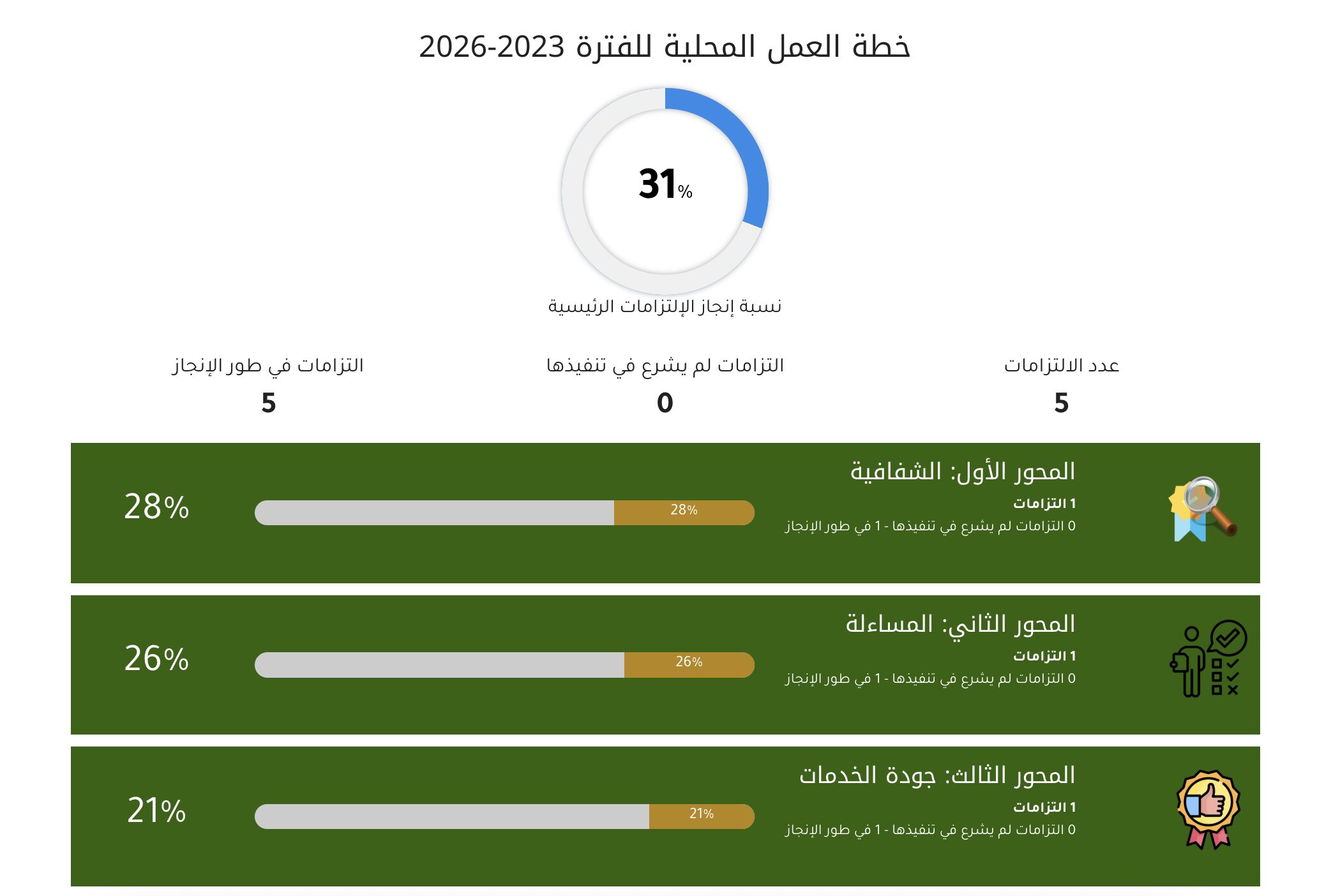
Local members also implemented oversight and monitoring processes to promote the timely implementation of commitments, extract learning opportunities, and provide moments for accountability. Local monitoring bodies are responsible for evaluating the co-creation processes and the results achieved from implementing the commitments. By April 2025, 61 locals had received at least one monitoring body assessment of the 103 that had assessments due. Local monitoring bodies were a more common practice among larger jurisdictions (i.e., those with over one million residents), which likely had more resources for monitoring than smaller jurisdictions.43 Of the 22 local members with multiple action plans since 2021, 20 had monitoring bodies in place.44 In Montenegro, a stakeholder reflected that close cooperation with monitoring bodies was crucial for local action plan implementation. For instance, beyond their reporting responsibilities, the monitoring bodies led workshops to create detailed roadmaps and indicators for tracking action plan implementation.45
Local members have learned from their counterparts across jurisdictions through partnerships, networks, and exchanges of open government experiences.
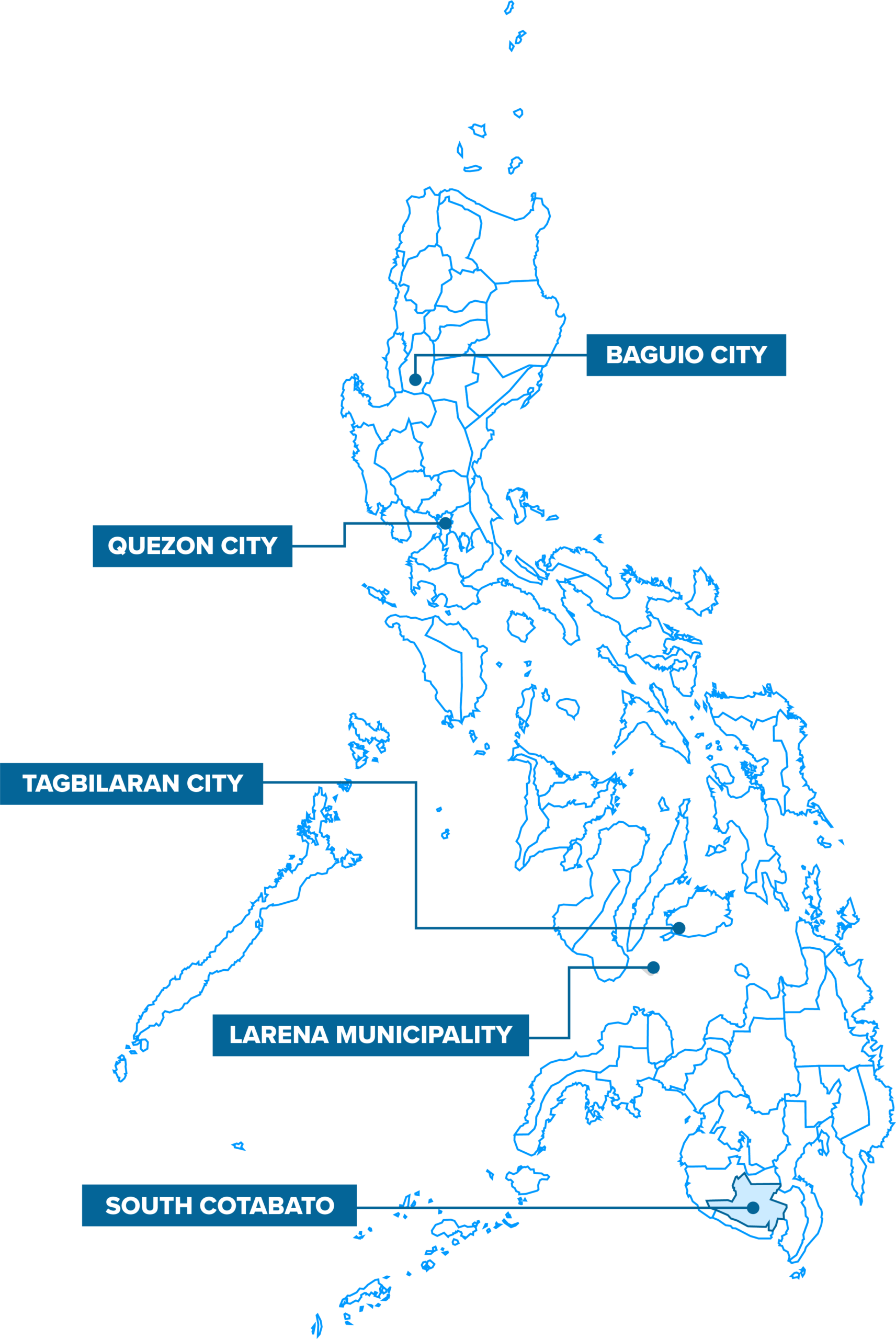
Local members drew support from the experiences of other members in their countries. 19 local jurisdictions delivered their open government reforms by forming coalitions with nearby jurisdictions and sharing leadership for OGP. For instance, in Mexico, the state of Nuevo León and the municipalities of Monterey and San Pedro Garza García led their OGP processes collectively (see Box 14). In other cases, local members used national events to share successful strategies. For example, as pioneers of OGP Local, Kaduna State (Nigeria), São Paulo (Brazil), and South Cotabato (the Philippines) mentored newer members in their countries (see Box 16).46 A São Paulo stakeholder reflected that these peer exchange opportunities provided technical support for co-creation, inspiration to reproduce reforms in new jurisdictions, and sometimes a barometer to course-correct.47
Exchanges took place at the international level as well, as local members convened at regional, international, and academic events. In recent years, these included, among others, the OGP Global Summit in Estonia, the International Congress on Open State and Governance in Costa Rica, and OGP Nordic+, an informal peer exchange group of OGP members. Scotland (United Kingdom) presented its fiscal transparency portal, the centerpiece of one of its OGP commitments, while attending a Nordic+ meeting in January 2024. The ensuing exchange helped Scottish implementers learn from international best practices while also capturing the attention of senior Scottish officials.
Box 16. Open Government Mentorship from South Cotabato
At a roundtable discussion hosted by the Philippines’ Department of the Interior and Local Government, South Cotabato shared its experience with four new members of the OGP Local Program—Baguio City, Quezon City, Tagbilaran City, and the Municipality of Larena. South Cotabato was one of the first local governments to join OGP in 2018 and has since implemented two action plans. Representatives from the provincial government, civil society, and multi-stakeholder forum shared strategies for co-creation, approaches to political transitions, and practical tips on building partnership between government and civil society. In turn, the new members discussed initiatives they were considering for their action plans. Participants from Tagbilaran reflected that they gained valuable insights, leaving the discussion with new ideas on how to begin engaging their community to transform local governance. Over the period that followed, targeted coaching sessions helped them refine their OGP commitments.48