Public participation, public service delivery, inclusion, and open data were the most popular themes of the 541 OGP local commitments, many of which have led to real-world changes. Local members also submitted 69 commitments to the Open Gov Challenge by June 2025, along with 20 from non-members. This section explores these popular themes and highlights recent successful examples from across the OGP Local membership.
CONTENTS
Public Participation
Inclusion of Underrepresented Groups
Public Service Delivery
Open Data
Public participation is a core tenet of open government which intersects across a variety of policy areas. Providing opportunities for public participation is especially critical at the local level, where government decisions more directly affect citizens’ day-to-day experiences.
As of 2024, 94 locals developed commitments addressing public participation, amounting to about half of all 541 local commitments, far ahead of any other topic area. In particular, over the last two years, many commitments focused on mainstreaming participation (28), improving public participation in the budget process (27), and promoting digital participation (21). There are examples of commitments touching upon public participation for most locals in all global regions.1 According to strategic visions of a number of local members’ action plans, commitments to enhance public participation are motivated by a core objective of bringing citizens closer to decision-making, so as to improve services and policies,2 build trust,3 and make cultural changes to public servants’ perspectives on participation.4
Some locals sought to embed participation opportunities, rather than rely on one-off events. They introduced participation models, policies, and platforms. For example, Glasgow (United Kingdom) began to roll-out participation in decision-making on neighborhood infrastructure (see Box 2), while Québec (Canada) focused on its online public consultation platform (see Box 3).
Another promising approach activated plain language and user-friendliness to make participation opportunities more inclusive.5 Several locals used this approach to bring government processes into a space where anyone could take part—not just technical experts. For example, Jalisco (Mexico) began publishing laws in plain language that an average person would understand on a website where the public can comment on draft legislation.
Twelve local members submitted action plan commitments on public participation to the Open Gov Challenge, as of June 2025. In Spain, Madrid is scaling up the city council’s public participation lab, while Asturias and the Valencian Community are developing new public participation laws and regulations. Kyiv (Ukraine) and Kenyan locals in Elgeyo Marakwet, Kakamega, Machakos, and Nairobi are creating and improving spaces for public consultation in-person, online, and by phone. Meanwhile, Baguio (the Philippines) is institutionalizing the People’s Council that provides a role for CSOs in city decision-making. Seven other members submitted Open Gov Challenge commitments outside their OGP action plans. For example, in Mexico, Mérida plans to reform the state’s citizen participation law, Nuevo León is designing a digital citizen participation center, and Quintana Roo has committed to co-create a new strategy to strengthen rule of law. Five local governments in Chile, Colombia, and Morocco which are not OGP local members also submitted Open Gov Challenge commitments on public participation.
Box 2. Your Citizen Voice: Slides, Swings, and Spinning Things in Glasgow
Locals affectionately refer to Glasgow (United Kingdom) as “the dear green place”. But residents noticed that their parks were not living up to their city’s nickname. A participatory OGP commitment offered the chance to make a change. Through the commitment, Glasgow decided to give Area Partnership committees a direct say in their Neighborhood Infrastructure Improvement Fund, based on the opinions of as many local residents as possible. The 23 Area Partnerships bring together representatives from government and the community, and each received £1 million ($1.3 million) from the Fund for community-driven improvements.
In 2023, two wards piloted a participatory budgeting model for distributing the Fund. Over only three weeks, their residents proposed 760 ideas to improve open spaces, roads, pavement, drainage systems, street lighting, and street furniture. One of those ideas spotlighted a local park in need of fixing, left with only the odd slide and swing. Following votes from 950 community members, that idea received funding—along with over 40 others across the wards’ neighborhoods. 65% of people had voted yes on a safe play area for children.
The initiative received a 2023 Open Government Award and had ripple effects on other wards. Glasgow’s OGP lead reflected that the pilot succeeded because strong partnerships between Council Departments, Community Councils, Area Partnerships, local organizations, and community members brought together important expertise on public participation. Implementers hope that the model can be scaled up and applied to other policy priorities, services, and public sector partners. By early 2024, at least two more wards were replicating this model, asking residents for their ideas on how to spend their own Neighborhood Infrastructure Improvement Funds.
Box 3. Online Consultations in Québec
In Canada, Consultation Québec has hosted online consultations that give residents a say in government decisions since 2019. From subsidized daycare to the future of the French language, the portal allows people to promote changes they want to see in their communities.
After becoming an OGP member in 2020, Québec decided to step up consultation practices. Québec surveyed government stakeholders for feedback on the platform’s usability and then made updates. It introduced a community of practice on public participation, to provide government stakeholders with resources and support for holding online consultations. It also produced a model satisfaction survey so local residents could share feedback on the quality of each consultation. The Québec Open Government Committee reported that these steps improved the quality of public consultations and noted an increase in the number of consultations held on the platform each year.

Inclusion is fundamental to the mission of open government. Local governments are best positioned to understand and respond to the unique needs and circumstances of their populations, including disadvantaged groups.
As of 2024, 70 locals produced commitments on inclusion, which make up about one quarter of all 541 local commitments. In particular, many commitments focused on youth (see Box 14), people with disabilities (see Box 4), and gender (see Box 5).
A key goal of local members’ work was often to support underrepresented groups’ participation in improving government services and policies. As São Paulo (Brazil) explained, its long-term vision for open government was to create public policies with mechanisms that guarantee the broad and effective participation of the population in a diverse but unequal context. To illustrate in practice, Nuevo León (Mexico) gave students new ways to share their problems and reform their schools (see Box 14).
Five OGP local members submitted action plan commitments on inclusion to the Open Gov Challenge, as of June 2025. Aragón (Spain) is making an effort to improve elderly residents’ digital literacy and participation in the city’s government, while Metsamor (Armenia) is focused on enhancing youth participation through an ambassadors network, municipal advisory body, and leadership training. Pichincha (Ecuador) has planned two permanent roundtables for women and LGBTQIA+ communities to participate in developing public policies. In Kenya, Elgeyo Marakwet set a target to award at least 30% of municipal contracts to marginalized groups like young people, women, and people with disabilities, and Nandi likewise committed to include these groups in procurement, along with other initiatives to involve them in decision-making and build economic independence. Four local governments in Colombia which are not OGP local members also submitted Open Gov Challenge commitments on inclusion.
Box 4. Easy Government in Aragón
The Easy Government program invited people with intellectual or developmental disabilities to redesign legal and administrative texts in Aragón (Spain). Pictograms, simple words, and short paragraphs made it easier for all audiences to understand essential government documents, from action plans, to laws, school enrollment forms, consumer guides, and justice guides. A government representative reflected, “we’ve realized that every piece of public material that is adapted for easy reading is not only beneficial for a small group of people but can also benefit all citizens.”
The initiative received a 2023 Open Government Award and was spotlighted as international good practice by the OECD in 2022. By 2023, the Easy Government page had more than 23,500 visits, with Castile and León following suit. Moving forward, the initiative is widening to include migrants and other underrepresented groups. To learn more about this initiative, please see the OGP OpenStories blog, “Easy Government.”
Box 5. The Gender and Equal Opportunities Commission in Plateau State
In Nigeria, after the Plateau State Gender and Equal Opportunities Commission’s first year, its chairperson was looking to the future: “I want to leave this as a legacy that every Plateau citizen should know it is against our laws and natural laws to abuse the fundamental human rights of anybody, and worst still, to abuse the fundamental rights of a woman and the girl child.”
The groundbreaking commission was designed by the state’s first OGP plan. The plan was bookended by a state election, but this did not deter the local OGP steering committee. Instead, it hosted a televised debate at which all candidates for governor promised that, if elected, they would advance local OGP efforts. Following the election, the new governor granted his approval for the commission.6
The commission began its work in November 2023, mandated to implement the state’s 2015 Gender and Equal Opportunities Law. It worked to reflect women’s perspectives in state policies and protect women’s rights. By early 2025, it had handled over 23 rights violations and repatriated nearly 100 trafficked children. OGP stakeholders reported that the commission was providing free legal services to address gender discrimination7 while introducing gender perspectives into the Plateau State Development Strategy and laying the foundations for gender-mainstreaming in the state’s wider policymaking process.8

Improving the quality of public services and enhancing access help ensure that citizens from all communities are better supported by their government. This is a core responsibility of local governments.
As of 2024, 69 locals made commitments relating to public service delivery, accounting for one quarter of all 541 local commitments. In particular, many commitments focused on services in the infrastructure, health, and education sectors. For each member, the types of services depended on the local government’s mandate. For instance, in Santo Domingo de los Tsáchilas (Ecuador), the government has a central role in local transportation, production, environmental protection, and innovation. According to a civil society stakeholder, the government effectively used the OGP process to operationalize legal responsibilities for citizen participation and transparency in these sectors.9
Ambitious commitments focused on improving service delivery through citizen feedback, complaints, and oversight. For instance, San Pedro Garza García (Mexico) focused on a resident services chatbot (see Box 6), while Madrid (Spain) used citizens’ insight to guide its suicide prevention services (see Box 7). Another ambitious approach was to focus on ensuring equitable access to education and health services. In Kaduna State (Nigeria), citizens tracked health and education infrastructure projects and visited government commissioners to advocate for improvements.
Box 6. Bye-Bye Potholes:
Residents Improve Services in San Pedro Garza García
Facing an intersection by the Santa Catarina River in San Pedro Garza García (Mexico), Martina10 decided it was time to message Sam, her municipality’s digital citizen reporting tool. She wrote that there was “no longer a side street, only a giant pothole, growing every day.” In response, the municipality filled the pothole.
Sam began operating in February 2020, so that residents like Martina could easily send service requests to the municipality. Through WhatsApp and other platforms, Sam is a chatbot enabled by artificial intelligence (AI) for citizens to ask questions and make reports. It had early successes, but also challenges with the time it took to respond to requests, and with citizens’ ability to follow-up on reports. In response, the local government listened to its data, residents, and staff, allowing it “to see that even award-winning innovations can be improved,” as noted by Bloomberg Philanthropies.
Beginning in 2022, an OGP commitment took on those challenges, cutting response times in half, from 5 to 2.5 days.11 According to the Nuevo León Council, training personnel paid dividends as staff were able to effectively address service requests from citizens.12 Citizens began receiving feedback that included pictures of how their service request had been resolved. The government also opened its performance dashboard on the requests, so that the public could track progress.13
In tandem, residents’ use of this feedback channel bloomed, with 67,715 reports registered between April 2024 and 2025, an increase of more than three-fold from 2020. Of those reports, 84% received a timely response from the municipality. A representative of the Nuevo León Council reflected that Sam had become one of the best government chatbots in Mexico.14
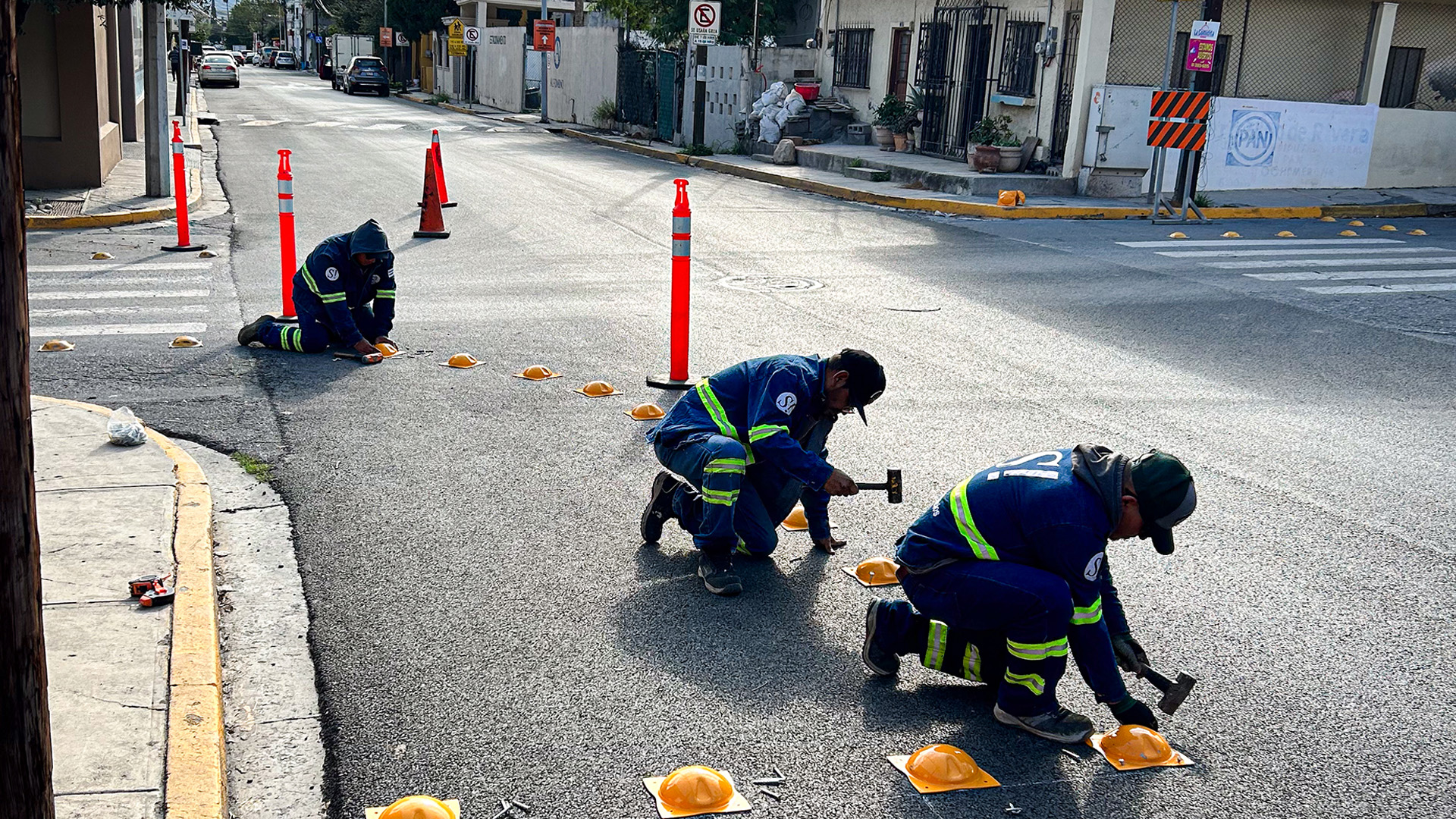
Credit: Government of San Pedro Garza García.
Box 7. Madrid’s Healthy City Strategy
Madrid (Spain) saw its mortality rate rise by 45% in 2020 amidst the COVID-19 pandemic. In the years that followed, the city decided to use an OGP commitment to accompany the people of Madrid as they dealt with their grief. Among other streams of work related to the Healthy City Strategy, like improving children’s health, the government brought community participation into its suicide prevention strategy to provide the mental health services the community needed.
By 2023, the city council had forged a close alliance with the companies forum, the college of psychology, and other non-governmental stakeholders. Together, they created new resources for grief support. For instance, a series of workshops asked citizens to point out spaces that were a source of wellbeing in their daily lives. By working with the community to identify the city’s mental health assets, the government was able to strengthen its suicide prevention services.

Local governments often collect large amounts of data in their communities to help them better understand and address people’s needs. By opening up data, local governments can enable informed debate, better decision making, and the development of innovative new services.
As of 2024, 47 locals made commitments on open data, which added up to one in five of all 541 local commitments. The rate of open data commitments was higher among the largest jurisdictions.15 These commitments were also more common in earlier local action plans than the more recent ones.16
Open data commitments fit into wider ambitions of harnessing technology to address local policy problems. For instance, Semarang City’s (Indonesia) long-term vision to become an open, inclusive, responsive, and participatory local government would rely upon optimizing information technology for the community’s economic recovery.
Some commitments aimed to strengthen data governance, including data standards and interoperability. In Indonesia, local reformers applied the national One Data standards in their jurisdictions (see Box 9). Others improved the usability of existing data. Madrid (Spain) focused on data visualization for its Open Data Portal, including visual examples of how to use datasets.
Beyond data release, a handful of commitments focused on directly supporting the public put open data into practice. From workshops to radio jingles, Kaduna State (Nigeria) helped citizens use its open contracting data to hold government accountable (see Box 8). Meanwhile, in Hamburg (Germany), the city hosted Data Dialogue events to introduce government data to different interest groups and explore new ideas of how it could be used to benefit the city.
Three OGP local members submitted commitments on open data from their action plans to the Open Gov Challenge, as of June 2025. In Kenya, Nairobi committed to use the Open Contracting Data Standard to digitize public procurement, while Kakamega planned open data platforms for climate adaptation and mitigation efforts. Goiás (Brazil) intends to widen access and use of the state’s open data. Buenos Aires (Argentina) submitted a commitment to the Open Gov Challenge outside its action plan to proactively publish information from the Superior Court of Justice as open data. Three local governments in Argentina, Colombia, and Ukraine which are not OGP local members also submitted Open Gov Challenge commitments on open data.
Box 8. The Rigasa General Hospital: Open Contracting in Kaduna State
Yushau lived in Rigasa, a remote community where Kaduna State (Nigeria) was expected to build a general hospital. However, using data from the state’s Open Contracting Data Standard (OCDS) portal, Yushau could tell that the bill of quantities did not match the actual construction his community was seeing. Fortunately, he had recently attended a training by Follow Taxes, a local CSO, so he was able to take action. Yushau reported the case on X, and the Deputy Governor arrived at the site the next day, later revoking the contract.17
To make this possible, Kaduna State used each of its OGP action plans to progress open contracting. Prior to joining OGP, the state’s contracting information was only accessible to contractors and other authorized individuals. By 2024, procurement information was publicly accessible on the Open Contracting Portal. Like the training Yushau attended, efforts have been made to engage citizens in using this data to hold government accountable through channels ranging from workshops to social media, radio, and television. By April 2025, the portal had disclosed data on 1,379 projects with a total value of ₦95.7 billion ($59.4 million).
Analysis by Brookings showed that Kaduna State had become one of the two leading states in Nigeria on e-procurement. A private sector stakeholder reflected that digital procurement removed a layer of corruption from the process, “You don’t have to seek favor from anyone, and all you need is to know how to use the computer.” As a state representative summed up, releasing Kaduna’s open data has improved transparency and confidence in public procurement.

Box 9. One Data Indonesia
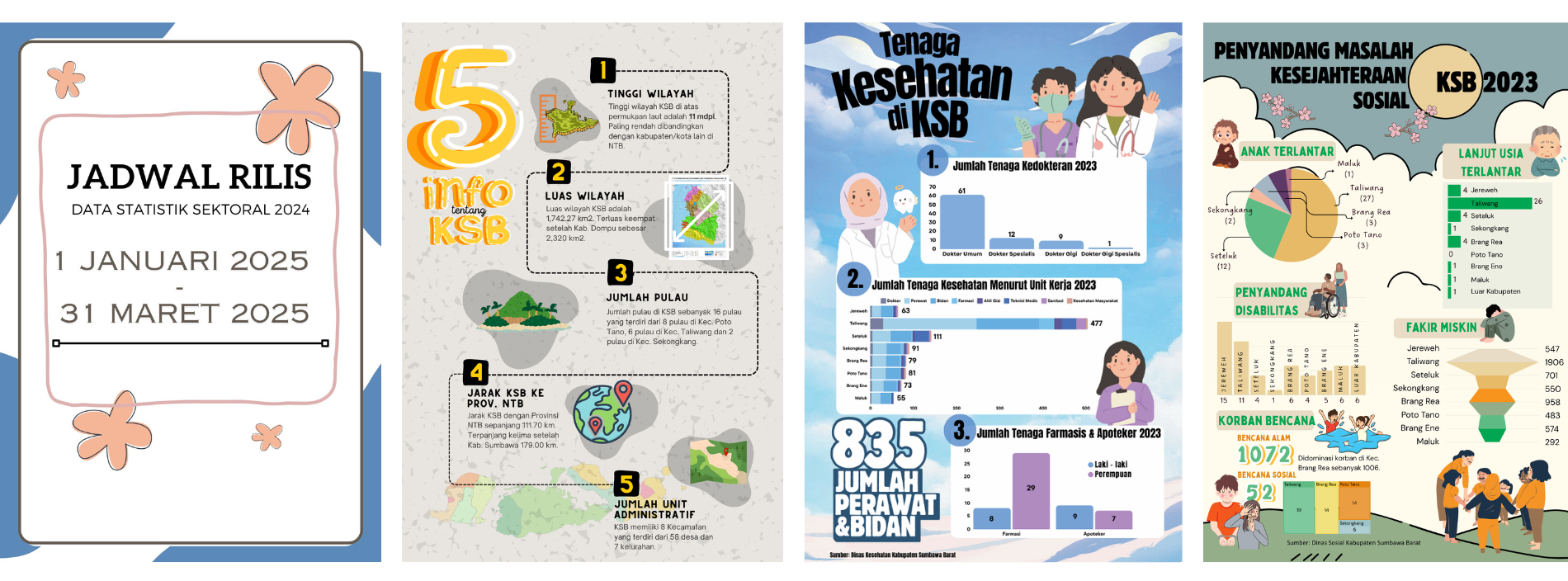
By April 2025, the One Data Indonesia program had brought 31 of 38 provinces and 268 of 514 districts and cities to the national open data portal, alongside many central government agencies. Previously, local government data were rarely freely accessible. OGP local members have been a part of this change.
To bridge the gap, five local members ran One Data pilot projects. The locals developed and implemented their own plans for data governance. They began releasing datasets on a range of topics, covering everything from social welfare recipients to local fisheries—1,574 from Brebes, 671 from West Sumbawa, 581 from West Nusa Tenggara, and 377 from Semarang. Banggai also launched an open data portal, but the data published was incomplete. These pilots were supported by the Open Government Indonesia and One Data Indonesia teams.
The pilots did not solve all of the locals’ data issues but took steps towards openness. According to the Open Government Indonesia lead, the local members’ data releases improved government transparency, built local government capacity, supported citizen participation, and enhanced decision making, especially related to disaster response and risk management.18 The Open Data Indonesia lead reflected that the local members’ experience gave other local Indonesian governments a chance to learn from peers about how to open their own data.