Fifteen years ago, OGP was created on a bet: that governments and civil society could build institutions worthy of public trust and capable of meeting people’s needs. The domestic and international ecosystem created by OGP has produced remarkable results.
Company beneficial ownership transparency is a growing global norm. Access to information laws have been strengthened worldwide, with some of the strongest frameworks advanced through OGP. Open contracting standards are expanding transparency in public procurement and unlocking business opportunities for more people. Open government principles are being embedded in multilateral governance indicators, and civic space reforms are being implemented through coordinated support between international bodies and national reformers. Beyond the executive branch, openness is becoming standard practice across legislatures, judiciaries, and local governments, while structured multi-stakeholder forums now give citizens a regular voice in shaping the decisions that affect their lives.
But institutional progress alone does not settle the larger contest. The norms and standards built over fifteen years are proving their value at exactly the moment they are being tested most severely. Democratic governance faces a more demanding moment than it has in years. Across every region, trust in institutions is eroding. Civic space is shrinking. Information environments are under stress. Corruption and illicit finance continue to drain public resources and undermine accountability. Digital transformation is reshaping what governments can and should do, and how citizens can hold them to account. The climate crisis demands new forms of government transparency and public voice.
To rise to this moment, OGP is organizing its forward-looking policy engagement around three outcome-oriented clusters that concentrate support where open government can have the greatest impact. Together, these clusters define where OGP and its Support Unit will concentrate their efforts for the reforms that matter most to citizens. The Support Unit will continue to update the Open Gov Guide and collaborate with experts and practitioners from government and civil society. Through the OGP Horizons series, we will continue to scan the frontiers of open government to tackle today’s biggest challenges and identify new approaches before they become mainstream.
This is not a maintenance agenda. It is another bet, renewed for the next fifteen years, that open government will remain one of the most effective answers to the defining challenges of our time. Fifteen years ago, OGP wagered that participation could improve the quality of public sector reforms. The results speak for themselves.
Today, the question is no longer whether open government works, but whether the world will move fast enough to adopt it at the scale the moment demands. Our ambition is for OGP members to lead that race: to be the countries and cities that others look to when they ask how to govern AI democratically, how to protect civic space online, how to make climate action accountable, and how to ensure that the benefits of growth are shared rather than captured. The clusters that follow describe where we will focus and what success looks like for each.
POLICY PRIORITIES
Inclusive and Resilient Institutions and Societies
Democratic Digital Governance
Prosperity and Competitiveness
There is a growing gap between how governments are designed to function and how citizens actually experience them. When institutions fail to reflect the diversity of the people they serve, or when legal frameworks remain inaccessible to those most in need of protection, trust erodes and democratic foundations weaken.
OGP’s work under this cluster seeks to close that gap by strengthening the structures and norms that hold societies together while ensuring they are genuinely open to all. This means protecting the civic space in which people can freely organize and speak; deepening the quality of public participation and safeguarding information integrity so that decision-making reflects lived realities; improving youth representation in decision-making processes; advancing justice and the rule of law so that rights are enforceable and accountability is real; and reinforcing the transparency and accountability mechanisms that keep power in check. In a moment marked by democratic backsliding, disinformation, and shrinking space for dissent, this work is not a technical reform agenda: it is a defense of the conditions that make open government possible at all.
Learn more
Civic space is the foundation for democratic participation and government accountability. It is the freedom of citizens, civil society, and journalists to operate without fear of censorship or reprisal. Civic space is under severe decline around the world and strong government leadership is required to reverse this trend. One example is the National Civic Space Strategy launched by the Dominican Republic, which sets out 21 time-bound actions to protect fundamental freedoms and expand participation for women, youth, and marginalized groups. Another is the newly created Civic Space Lab. OGP is collaborating with UNDP to provide expert facilitation, technical expertise, peer mentorship, and funding to help government reformers design and implement concrete reforms to strengthen civic space.
Our ambition is for every OGP member to have a co-created, time-bound civic space strategy, and for OGP to be the platform where governments and civil society set the global standard for protecting all fundamental freedoms in an era of democratic backsliding. Success means civic space is not a niche concern but a core commitment area, with members leading by example and influencing norm-setting beyond OGP.
Mainstreaming participation means embedding genuine, inclusive public engagement into government policy-making as a standard practice. Evidence shows that trust in public institutions is strongly linked to people’s ability to have a say on the decisions that shape their lives, including for women, young people, and historically excluded groups.
For example, Brazil is rebuilding and expanding citizen involvement in federal policy-making after years of weakened participatory institutions. Since 2023, the government has made considerable progress, such as hosting over sixty conferences at the local, state, and national levels, re-establishing spaces for public engagement on key issues, and launching a national digital platform for public participation called Brasil Participativo.
OGP will support members in building the legal, institutional, and cultural enablers that make inclusive participation normal rather than exceptional. One example of support is the Participation Action Group, led by France and the UK, which was launched at the 2025 OGP Global Summit with 13 European members to advance the new frontiers of mainstreaming public participation through collective action. Our ambition is to make participation the default rather than the exception: every OGP member should make concrete progress towards establishing institutionalized mechanisms for meaningful public engagement across government, not just in individual action plans. Success means participation is embedded in legal frameworks and administrative culture, with OGP members recognized as global leaders in demonstrating that institutions that collaborate with their people govern better.
Justice commitments are among the most common in OGP, with many led by judiciaries whose growing engagement in OGP processes is helping build more responsive governance and contributing to a more open state. Existing commitments focus on expanding access to justice, promoting open courts, and strengthening accountability. As the institutions responsible for upholding people’s rights and freedoms, justice institutions must be independent, credible, and trusted. Examples include Colombia’s efforts to make Constitutional Court rulings more accessible to the public, Costa Rica’s participatory approach to strengthening restorative justice, and North Macedonia’s work to improve access to justice for marginalized groups.
Looking ahead, OGP will support members in advancing more ambitious, people-centred justice reforms. Priorities include participatory service design, evidence-based policy-making informed by citizen experience, and greater transparency in justice institutions through public monitoring and reporting. OGP will also encourage reforms that remain under-addressed but are essential to the rule of law, including measures to strengthen judicial independence and integrity, as well as accountability mechanisms such as whistleblower protections and accessible grievance channels. To support these efforts, OGP will work with regional partners and reform champions across the justice sector to advance meaningful and lasting change.
Right to information is the bedrock of open government, with over 350 OGP commitments made since 2011. This includes not just responsive and effective right to information laws, but also proactive disclosure. For example, the Netherlands has embedded the right to information into public records management and is a founding member of the Proactive Disclosure Coalition. In other cases, Brazil’s fala.br platform introduced anonymous information requests, thereby protecting journalists and anti-corruption advocates, while Uruguay’s INTAI index tracks compliance with disclosure requirements across all obligated entities.
The next step for OGP members is to move beyond passing right to information laws to implementing them, favoring the reuse of the data provided while protecting privacy, and strengthening records management, independent oversight, and institutional cultures where data is open by design.

This cluster reflects an urgent recognition that the technologies and rules shaping our digital lives are being developed without public input or oversight. As such, they risk advancing elite or commercial interests, rather than the public benefit. As AI reshapes how decisions are made, how information flows, and how public services are delivered, the absence of democratic oversight is not a neutral condition: it is a choice with large and persistent consequences for rights, equity, and accountability. OGP’s work under this cluster pursues innovative solutions that keep people at the centre of digital transformation and governance.
This means advocating for accountable AI governance that makes algorithmic systems legible and contestable, building open digital public infrastructure that serves the common good rather than extracting value from it, and defending data rights and privacy as foundational conditions for trust. At a moment when the digital and civic spheres are increasingly inseparable, this work insists that technology must be governed with transparency, accountability, and meaningful participation.
Learn more
Open government principles are essential guardrails as AI becomes embedded in public services and decision-making. OGP members are already making progress in this area. Colombia committed to a multi-stakeholder mechanism for ethical AI implementation; Canada requires agencies using automated decision-making to publish impact assessments before deployment; Buenos Aires (Argentina) is co-creating a guide on algorithmic transparency; and Nigeria is building an inclusive, rights-based digital governance framework. The OGP community will help translate worldwide AI governance conversations and principles into country-level action and deepen civil society’s role in oversight.
OGP aims to be the leading platform where democratic AI governance is tested and advanced at the country level, with members pioneering models for algorithmic transparency, public participation in AI policy, and civil society oversight that other countries and multilateral bodies look to as the standard. Success means open government principles are embedded in how governments adopt, deploy, and regulate AI and new technologies in general.
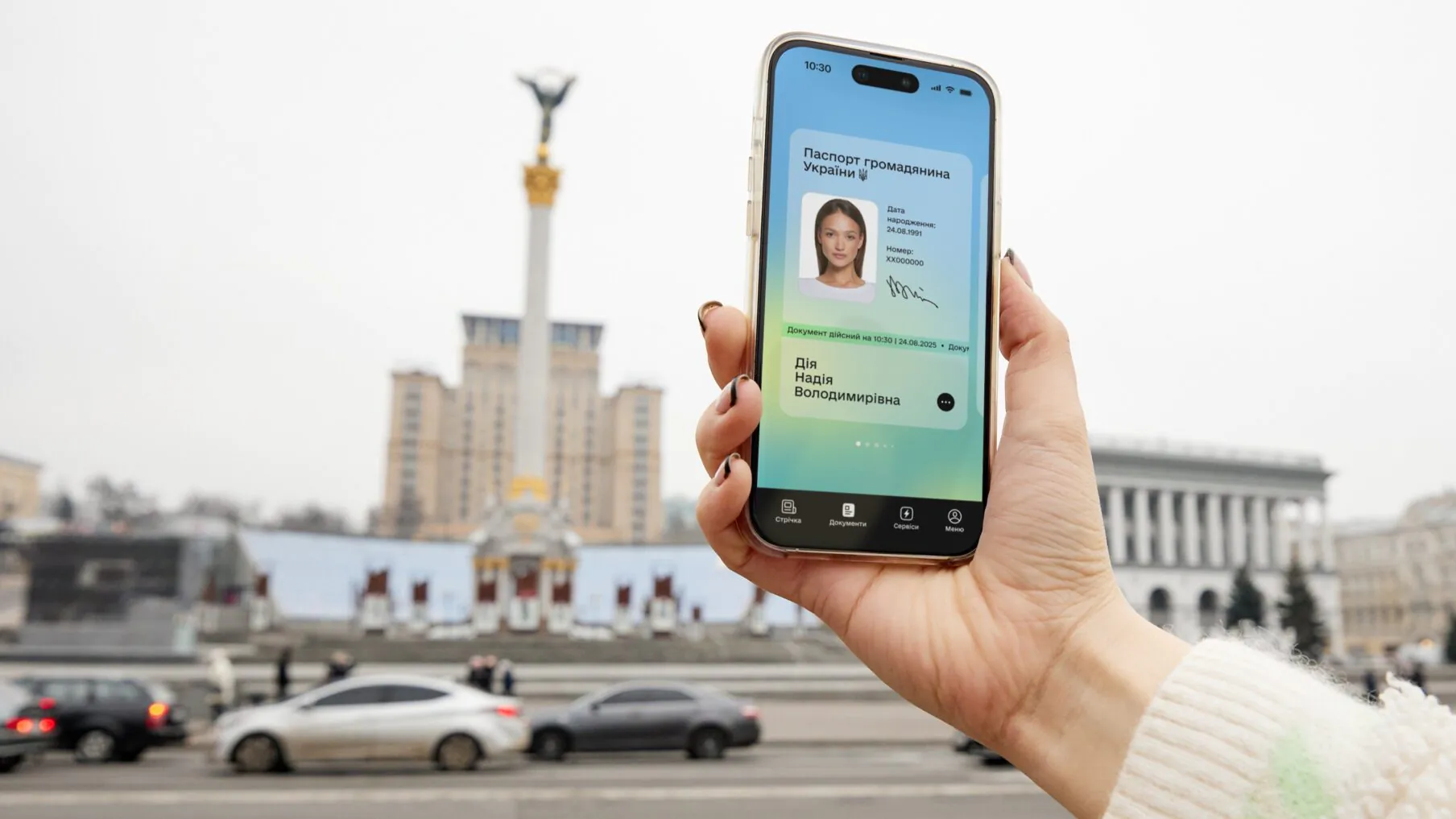
Digital transformation can expand access to services, improve transparency, and build public trust, especially when grounded in open government values. For example, Ukraine’s commitment to make its open-source platform for digital public services permanent demonstrates how openness can be built into core digital infrastructure. OGP supports members to ensure their digital transformation journeys are transparent, interoperable, and accountable, scaling support through partnerships with digital public infrastructure and open data initiatives.
Looking ahead, OGP members should lead by example in building digital infrastructure that is open, accountable, and rights-respecting by design, demonstrating that digital transformation and democratic values reinforce each other.
Misinformation and disinformation threaten public health, democracy, and security. OGP supports reforms that promote a healthy information environment without enabling “fake news” laws that would silence dissent. For example, Australia funded media literacy outreach to culturally and linguistically diverse communities while Ghana created a multi-stakeholder working group to assess misinformation legislation while protecting free expression.
OGP will continue to incentivize commitments that protect journalists, support independent media, and promote safeguards against mis- and disinformation that uphold freedom of speech and civic space. OGP should be the premier platform where governments and civil society co-create responses to information integrity challenges that protect democratic discourse without enabling repression. Success means OGP members are recognized globally for demonstrating that openness, not censorship, is the most effective way to preserve information integrity.
Leveling the playing field and supporting inclusive development starts from the premise that economic growth is only meaningful when its benefits are broadly shared. To achieve this, the rules governing markets, investment, and public resources must themselves be open to scrutiny. Corruption, illicit finance, and the undue influence of vested interests do not just distort economies: they hollow out the social contract, concentrating opportunity among the few while eroding public trust in the institutions meant to serve everyone.
OGP’s work seeks to address the structural conditions that allow these inequality dynamics to persist. This means tackling corruption and combating illicit finance to ensure that public resources reach their intended purpose; regulating lobbying and political finance so that policy reflects the public interest rather than private power; advancing open ownership and open contracting to reveal who benefits from public money and public deals; and strengthening regulatory transparency to create the predictable, fair conditions that responsible and sustainable investment requires. These challenges take on particular urgency in the green economy, where unprecedented flows of public finance into climate transition, adaptation, and natural resource management are becoming among the largest and most corruption-prone sectors.
Learn more
OGP members are strengthening government integrity through multi-stakeholder action on beneficial ownership transparency, open contracting, political finance transparency, lobbying regulations, and asset and interest disclosure. For one, company beneficial ownership registries, land registries, and extractive revenue transparency are core OGP tools for fighting money laundering and illicit financial flows. One success? According to the Nigerian government, its public beneficial ownership register supported recovery of over $105 million in stolen assets in 2024 alone and contributed to the country’s removal from the FATF Grey List. In another example, Malawi has worked to disclose beneficial owners in natural resource contracts.
When it comes to open contracting reforms, Ukraine’s ProZorro/DoZorro system and public beneficial ownership register, and the Philippines’ progress on both open contracting and beneficial ownership transparency, are recognized as models in their respective regions and beyond. On lobbying, Estonia is creating an application to ease the submission and publication of lobby meetings to increase the transparency of decision-making, while Norway and Sweden are now developing their own lobby transparency frameworks outside of the OGP process. And on political finance, Mongolia is developing an online platform that links political finance data to the beneficial ownership register and tax authority. The evidence is clear that these commitments deliver. The challenge ahead is to sustain momentum and institutionalize reforms that endure across administrations.
The task for OGP members will be to consolidate and scale anti-corruption gains so that they translate into real change. With frameworks and standards now in place across the Partnership in public contracting and company ownership transparency, the test is advancing real implementation in collaboration with civil society. The critical challenge will also be reclaiming the anti-corruption agenda from those who are weaponizing it as a pretext to target political opponents, constrain civil society, and consolidate power.
To do so, OGP will continue to support countries translating global anti-corruption commitments—from UNCAC to the G20 and G7 agendas and the upcoming Illicit Finance Summit, among others—into concrete action. OGP will also push for greater ambition in political integrity reforms—including political finance, lobbying regulation, and conflict-of-interest frameworks—while assessing and addressing the intended and unintended consequences of regulations that negatively impact civic space and reduce the operational capacity of civil society organizations.
Inclusive climate policy is more effective and more durable, particularly when it reaches those most affected by environmental change. For example, the Philippines updated its climate finance portals to improve accessibility and added citizen feedback channels, while Navarra (Spain) created a Citizens’ Assembly on Climate Change to create policies for the region. To advance environmental democracy, Ecuador used its OGP action plan to pioneer the implementation of the Escazú Agreement, co-creating a roadmap to expand access to environmental information and safeguard human rights. The challenge ahead is to move from ad hoc participatory initiatives to systematized mechanisms and create stronger protections for environmental defenders.
Looking ahead, our ambition is for OGP to be the platform where environmental democracy is advanced at scale, with members embedding transparency and participation into issues such as climate finance, green investment, and natural resource governance.
Open government tools matter for infrastructure governance, public debt management, economic regulation, and administrative simplification. For example, Colombia is developing real-time monitoring of infrastructure contracts before implementation, enabling citizen oversight earlier in the process. Kenya is making debt and budget processes more accessible and participatory, which is a direct response to public protests over opaque government finance decisions. In France, the “Simplification Programme” lets citizens and businesses flag administrative obstacles online, which local authorities can either resolve or escalate to request a legal change. Over 80 percent of about 500 cases have been solved since late 2024, showing openness and efficiency can reinforce one another.
OGP members should demonstrate that regulatory transparency and administrative simplification are not just efficiency measures, but democratic reforms that build trust when they strengthen and not weaken accountability and participation.

Holding the Line, Looking Ahead
These three clusters and the OGP Horizons series reflect our current focus and what we believe will come next. Thematic engagement within the OGP community grows in response to member demand and priorities and the shifting global policy environment. The Open Gov Challenge, as part of our renewed Action Framework, will continue to serve as a key mechanism for directing action, fostering ambition, and tracking progress.
This evolution is not a sign of drift. Rather, OGP’s defining strength has always been its ability to do two things at once: hold the line on hard-won norms while scanning the horizon for the next frontier of open government. When AI governance was barely on the international agenda, OGP members were already co-creating commitments. When civic space online became a battleground, OGP members were already testing responses. The same instinct that made OGP relevant in 2011 is what allows us to anticipate trends and makes our agenda still cutting-edge today.
OGP’s ambition is not merely to maintain a community of practice. It is to ensure that open government becomes the default operating system for how democracies function in the 21st century. OGP’s model of plurilateralism—where members move at different speeds and on different issues, but within a shared framework of ambition and mutual accountability—is itself an innovation in global governance in a world where one-size-fits-all solutions no longer command consensus.
Fifteen years of accumulated experience and sustained dialogue among reformers inside and outside of government lend the Partnership both the relevance and the adaptability required to respond to the challenges ahead. Open government is not just a collection of important principles. It is a tested methodology for building institutions that deserve public trust, withstand democratic erosion, and deliver concrete answers to the most pressing issues of today and tomorrow.