
End of Commitment Report – Providing information on access to special conditions of community facilities for people with disabilities.
- Action Plan: Action plan – Gyumri, Armenia, 2021 – 2026
Overview
Name of Evaluator
Arpine Hakobyan (“NGO Center” civil society development NGO)
[email protected]; [email protected]
Member Name
Gyumri, Armenia
Action PlanAction plans are at the core of a government’s participation in OGP. They are the product of a co-creation process in which government and civil society jointly develop commitments to open government ... Title
Action plan – Gyumri, Armenia, 2021 – 2026
CommitmentOGP commitments are promises for reform co-created by governments and civil society and submitted as part of an action plan. Commitments typically include a description of the problem, concrete action...
Providing information on access to special conditions of community facilities for people with disabilitiesA government is not open unless it is accessible to all, and governments are working to ensure people with disabilities are afforded equitable services and opportunities to participate. Technical spec....
Title
Providing information on access to special conditions of community facilities for people with disabilities.
Action
Commitments will provide information on access to special conditions of community facilities for people with disabilities. This will increase public physical participation in community processes and decision-making actions.
Problem
People with disabilities sometimes avoid visiting places, because they have no idea about the access to ramps or lifts in the facilities. With this commitment, it is proposed to post a map on the websites of the municipalities, where information on the availability of all buildings/structures will be available, which will help people with mobility difficulties (disabilities) to know in advance what level of accessibility is in the building before visiting. The example was created within the initiative of the NGO Center. Maps may also include access to audio information.
Section 1.
Commitment completion
1.1 What was the overall level of progress in the commitment implementation at the time of this assessment?
not started
Provide a brief explanation of your answer:
The commitment was not implemented. Although Gyumri municipality formally undertook the obligation in 2021, no budgetary allocation was made for the activities, and no visible steps were carried out to develop or launch accessibility maps. Interviews with local officials confirmed a lack of awareness of the obligation. A deputy mayor interviewed in 2024 was not aware of the commitment, reflecting that the change in municipal leadership led to a complete loss of institutional memory. No documentation of studies, cooperation with relevant institutions, or map development was found, and no relevant information was published on the municipal website.
Evidences:
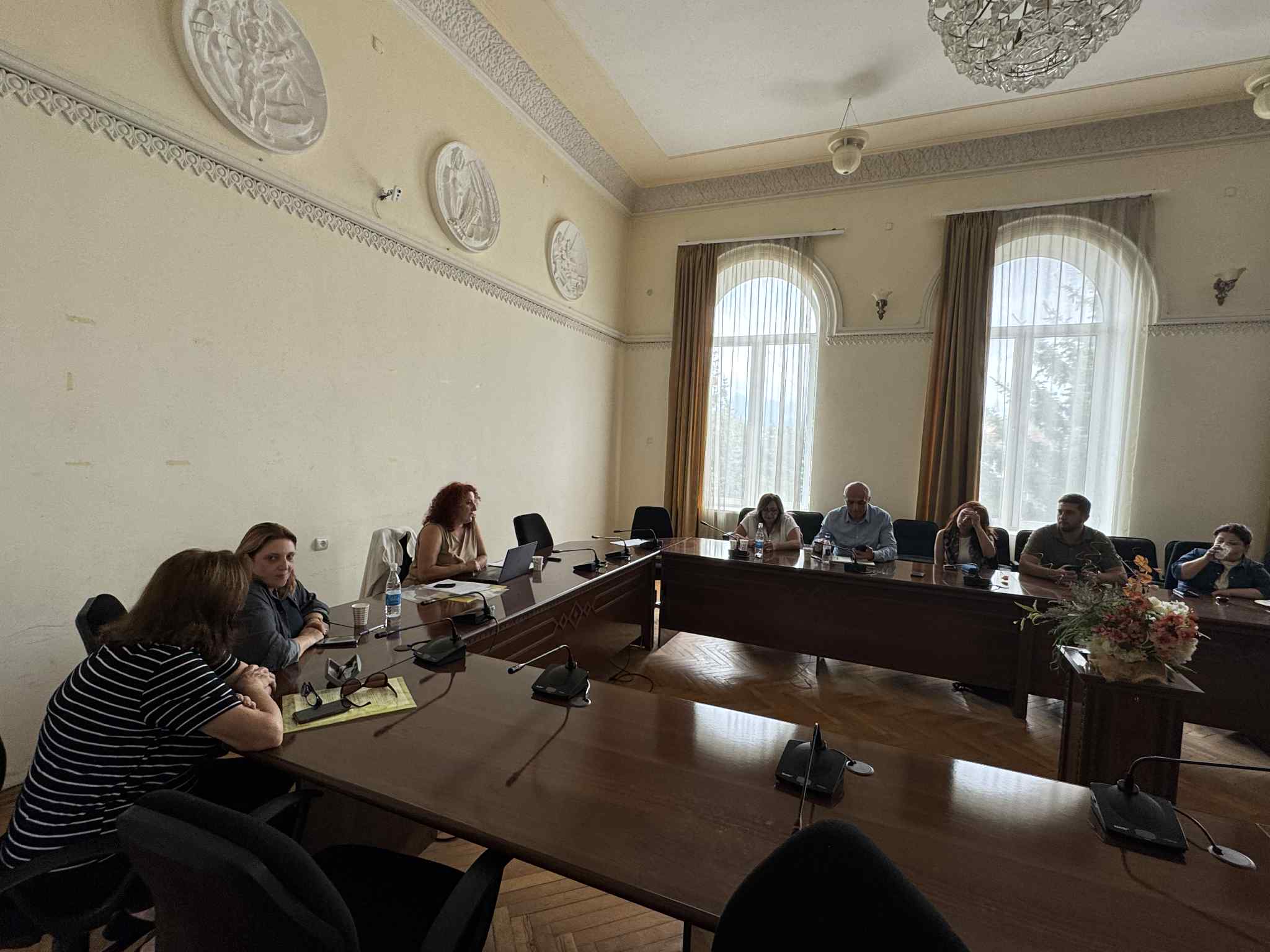
- Focus group discussion with 7 CSOs of Gyumri, 2025 (only one was aware of OGP commitments).
- Gyumri municipal website: (no evidence of accessibility map).
Provide evidence that supports and justifies your answer:
Focus group Gyumri-CSOs2.jpeg
Focus Group Gyumri Participant-list10.pdf
1.2 Describe the main external or internal factors that impacted implementation of this commitment and how they were addressed (or not).
The implementation was heavily affected by political instability and a lack of institutional continuity. In October 2024, the mayor and a group of council members resigned, and only in December was an acting mayor appointed. The transition was not accompanied by a proper handover of commitments, leaving new officials unaware of obligations under the OGP Local Action Plan.
In addition, no municipal funds were allocated for this commitment in 2021–2022. This indicates a lack of prioritization and resource planning from the start. The combination of leadership changes, no budget allocation, and a lack of cooperation mechanisms resulted in the commitment being stalled and ultimately not implemented. These barriers were not addressed during the action plan cycle, nor were they remedied by later municipal leadership in 2025.
1.3 Was the commitment implemented as originally planned?
Few of the commitment milestones were implemented as planned
Provide a brief explanation of your answer:
Not started
None of the milestones described in the action plan were implemented. No study of existing maps, no development of new maps, and no launch of an online accessibility platform took place. The political instability of 2024 further delayed progress, and the new administration formed in April 2025 did not inherit institutional memory about the commitment.
Evidences:
- Municipal website and archives: no accessibility map available
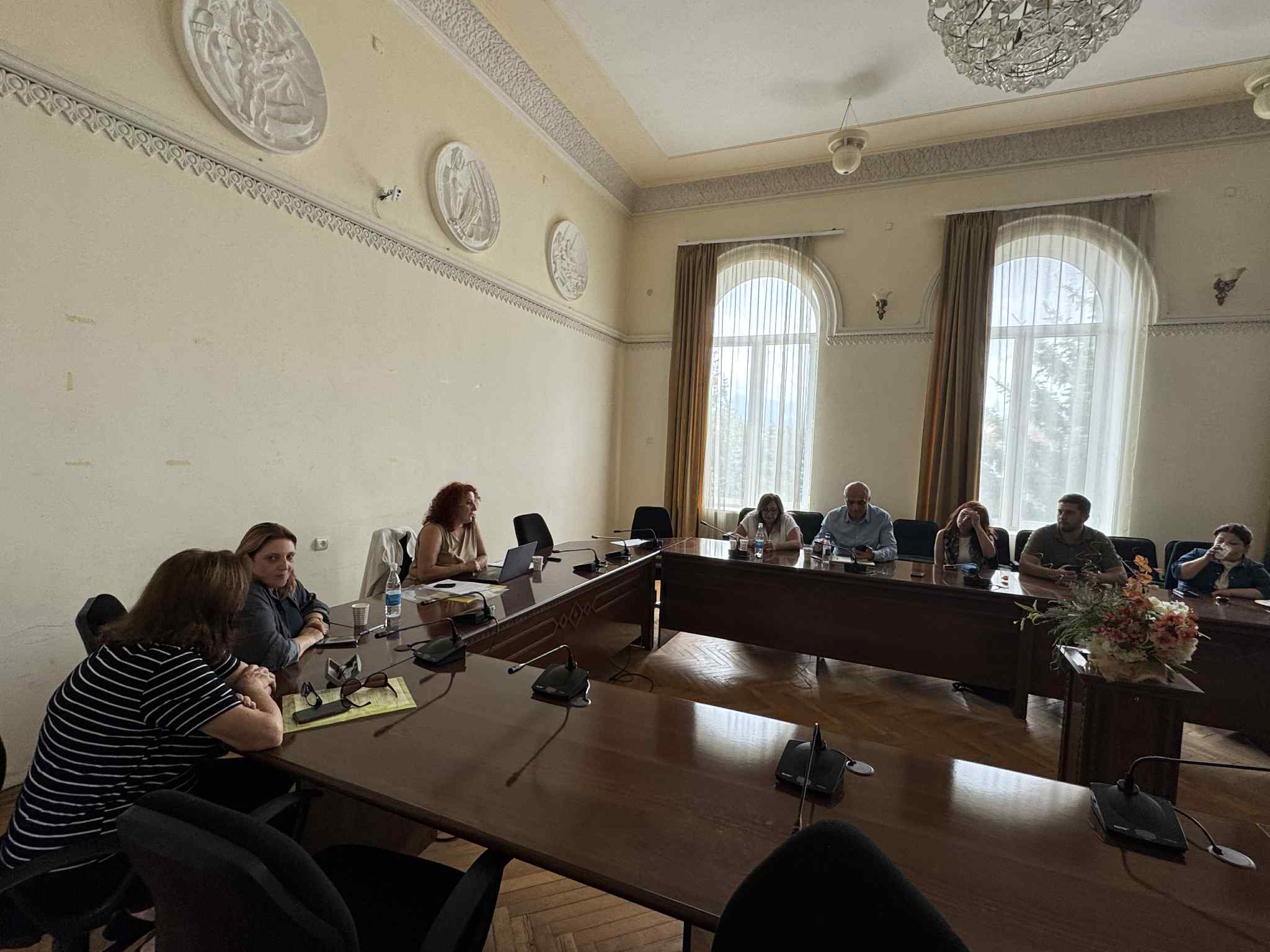
- Focus group with 7 CSOs of Gyumri, 2025 (confirming absence of implementation).
Provide evidence for your answer:
Focus Group Gyumri Participant-list11.pdf
Focus group Gyumri-CSOs3.jpeg
Section 2.
Did it open government?
2.1.1. – Did the government disclose more information; improve the quality of the information (new or existing); improve the value of the information; improve the channels to disclose or request information or improve accessibility to information?
No
Degree of result:
Did not change
Explanation: In narrative form, what has been the impact on people or practice.
The commitment aimed to improve access to information for people with disabilities through maps of ramps, lifts, and accessible facilities. However, as the commitment was not implemented, no new information was disclosed, and the situation did not improve. People with mobility challenges in Gyumri continue to face uncertainty about the accessibility of community buildings. No online map or database was launched.
Evidence:
Municipal websites of Gyumri: no accessibility information.
2.1.2. – Did the government create new opportunities to seek feedback from citizens/enable participation inform or influence decisions; improve existing channels or spaces to seek feedback from citizens/enable participation/ inform or influence decisions; create or improve capabilities in the government or the public aimed to improve how the government seeks feedback from citizens/enables participation/ or allows for the public to inform or influence decisions?
No
Degree of result:
Did not change
Explanation: In narrative form, what has been the impact on people or practice.
The commitment did not include meaningful participatory mechanisms beyond potential user feedback. As the map was not developed, no opportunities were created for citizens, civil society organizations, or people with disabilities to provide feedback or contribute to decision-making.
Evidence:
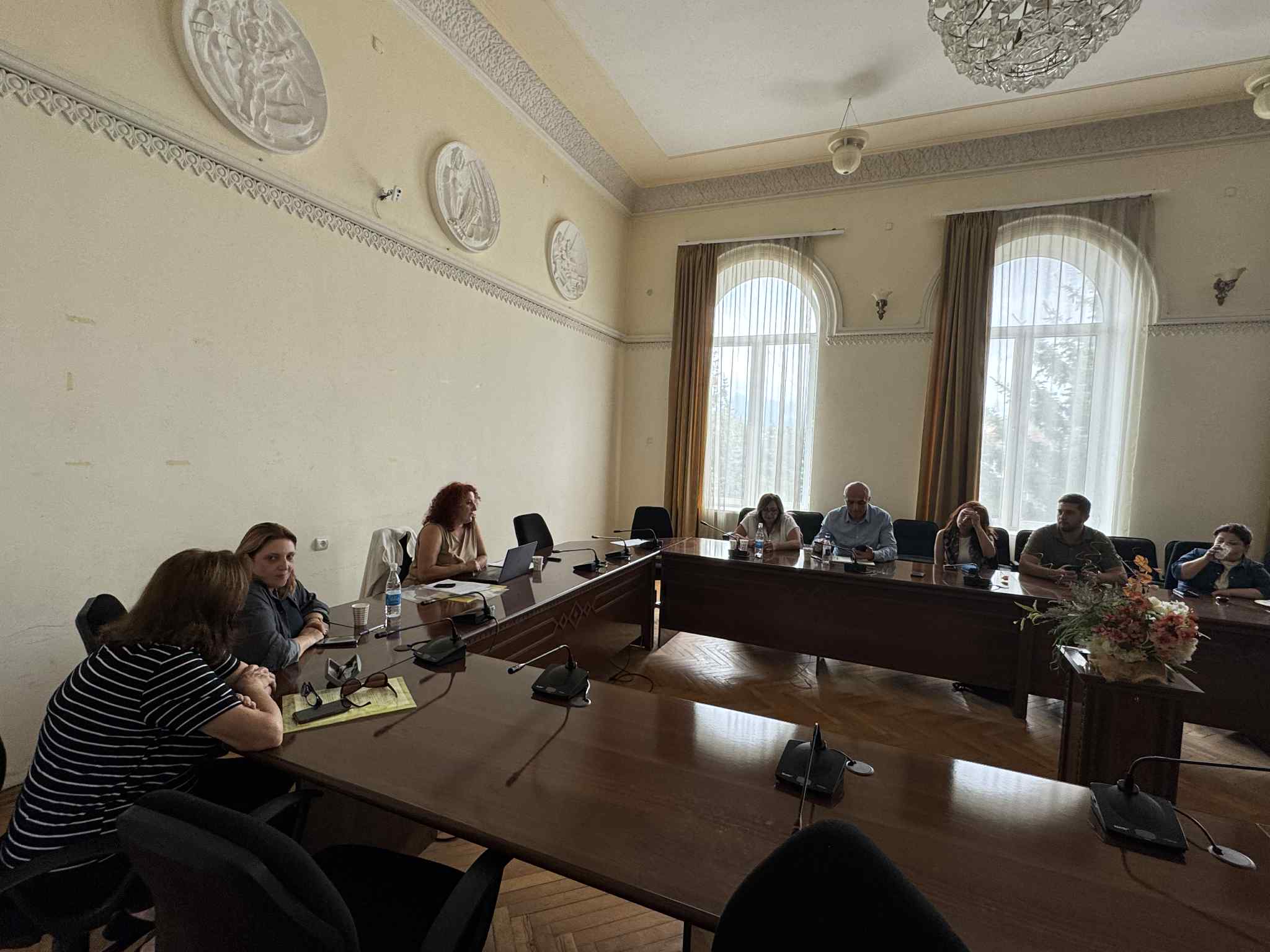
Focus group discussion, Gyumri, 2025.
Provide evidence for your answer:
Focus group Gyumri-CSOs4.jpeg
Focus Group Gyumri Participant-list12.pdf
2.1.3 Did the government create or improve channels, opportunities or capabilities to hold officials answerable to their actions?
No
Degree of result:
Did not change
Explanation: In narrative form, what has been the impact on people or practice.
No accountability mechanisms were introduced. Without implementation, there were no channels for monitoring municipal compliance with accessibility standards or for citizens to hold officials accountable.
2.1.4 Other Results
Not Applicable
2.2 Did the commitment address the public policy problem that it intended to address as described in the action plan?
No
Provide a brief explanation of your answer:
The public policy problem lack of accessible information for people with disabilities remains unresolved. No municipal platform was created to provide data on ramps, elevators, or facility accessibility. As a result, people with disabilities in Gyumri still face barriers in planning visits to community spaces.
Evidence:
Gyumri municipal website, 2025 (no accessibility maps available).
Section 3.
Lessons from
implementation
3. Provide at least one lesson or reflection relating to the implementation of this commitment. It can be the identification of key barriers to implementation, an unexpected help/hindrance, recommendations for future commitments, or if the commitment should be taken forward to the next action plan.
The key lesson from this commitment is the importance of institutional continuity and resource allocation. Despite being well-designed and relevant to local needs, the commitment failed because:
- No funding: Gyumri municipality did not allocate budget resources to develop the accessibility map.
- Leadership changes: Political instability in 2024 led to a lack of institutional memory. Commitments were not transferred to the new municipal leadership.
- Low prioritization: Accessibility was not seen as a priority compared to other pressing issues in the municipality.
For future commitments, it is critical to:
- Ensure financial resources are allocated in the municipal budget.
- Create institutional mechanisms for transferring commitments during leadership changes.
- Strengthen cooperation with CSOs who already have technical knowledge and experience.
- Integrate commitments into broader municipal development strategies to avoid being abandoned during political transitions.
Leave a Reply