Inception Report – Action plan – Yogyakarta, Indonesia, 2024 – 2027
- Action Plan: Action plan – Yogyakarta, Indonesia, 2024 – 2027
Overview
Name of Evaluator
Lukito Edi Nugroho
Member Name
Yogyakarta, Indonesia
Action PlanAction plans are at the core of a government’s participation in OGP. They are the product of a co-creation process in which government and civil society jointly develop commitments to open government ... Title
Action plan – Yogyakarta, Indonesia, 2024 – 2027
Section 1.
Compliance with
co-creation requirements
1.1 Does a forum exist?
Yes
Provide a brief explanation of your answer:
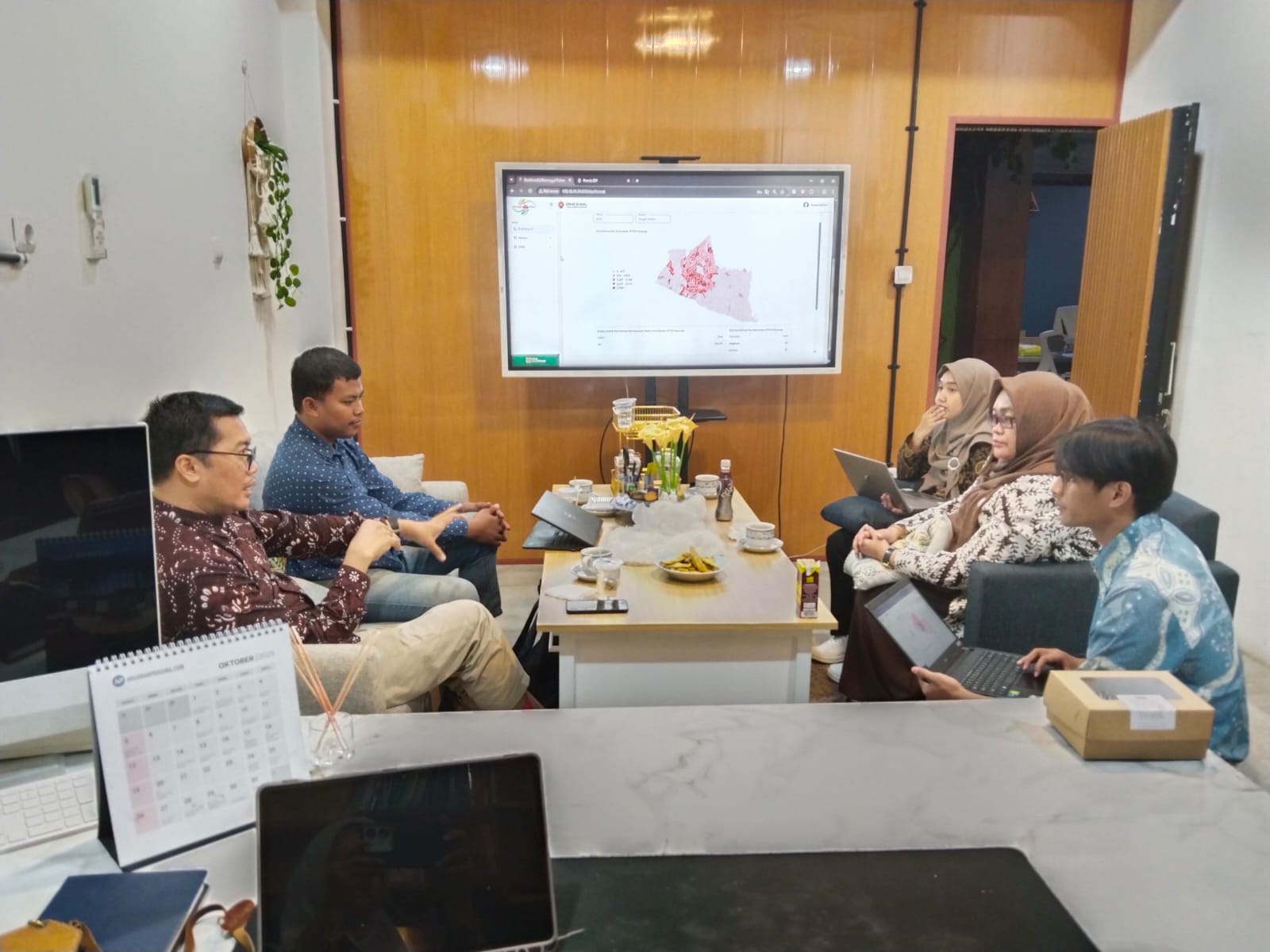
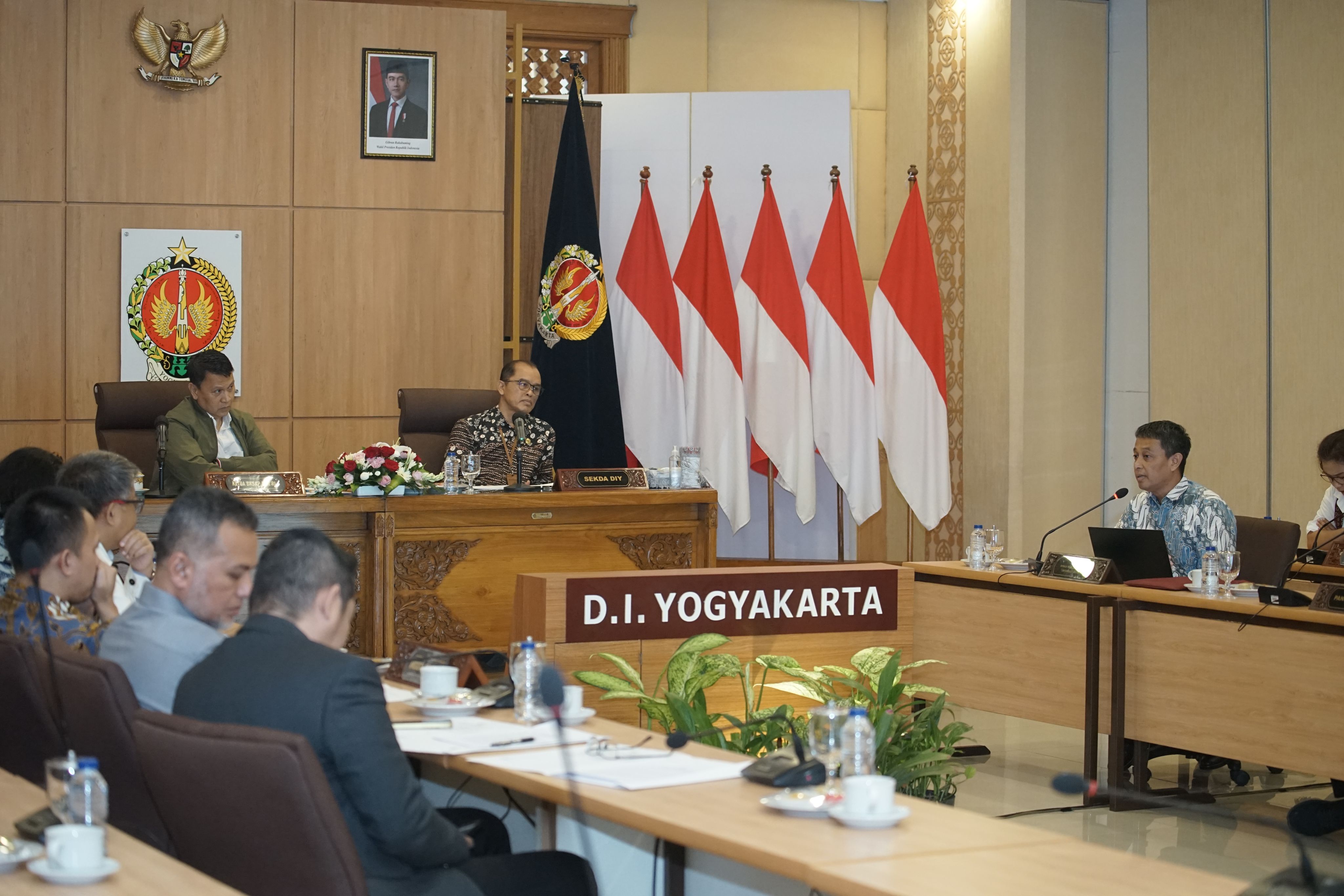
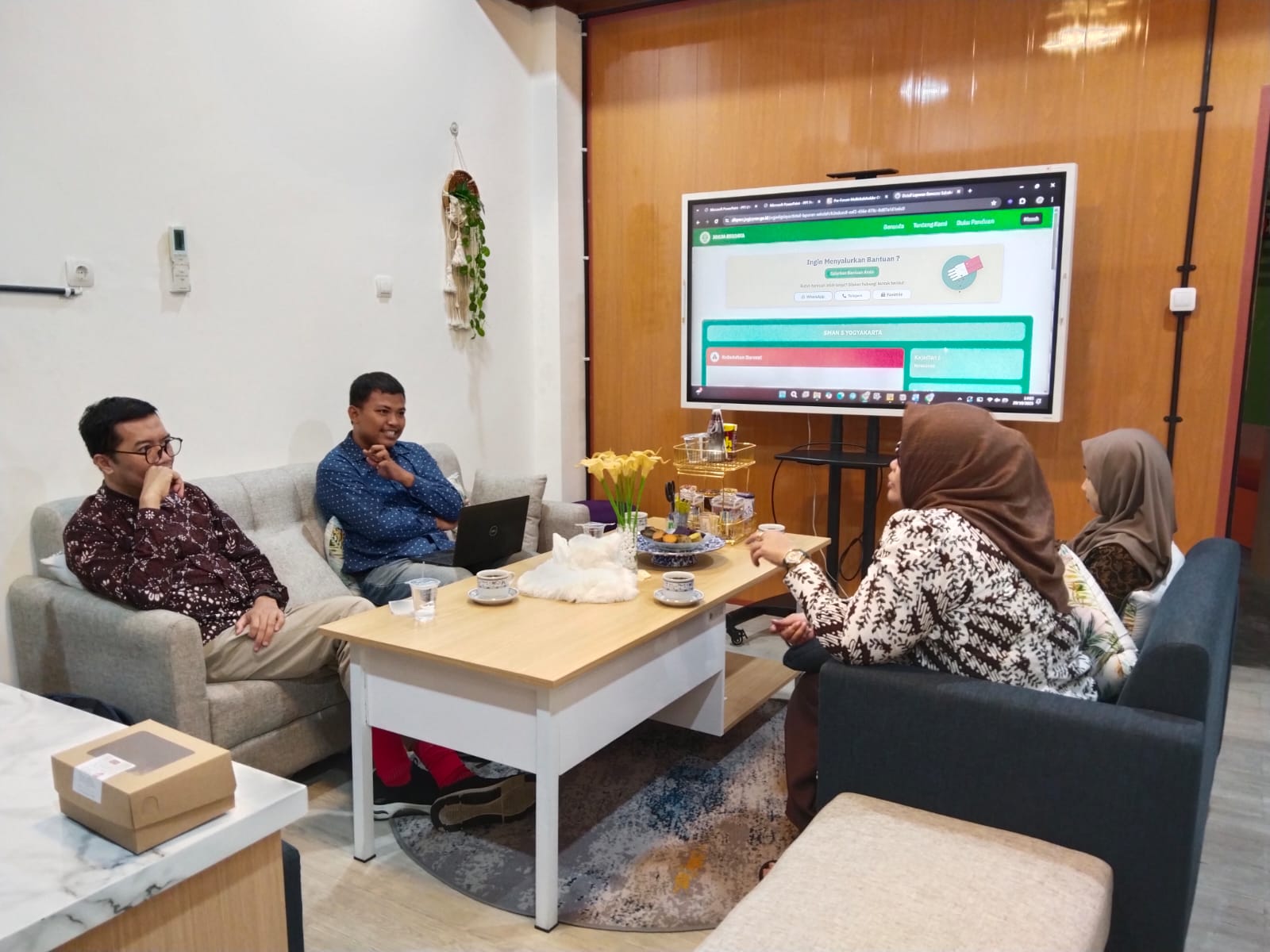
Yes, a forum exists through a WhatsApp group involving government agencies, NGOs, and other stakeholders. It serves for coordination, information sharing, and feedback. Occasional meetings are also held to discuss progress and ensure ongoing collaboration.
Provide evidence for your answer:
1.2 Is the forum multi-stakeholder?
Yes
Provide a brief explanation of your answer:
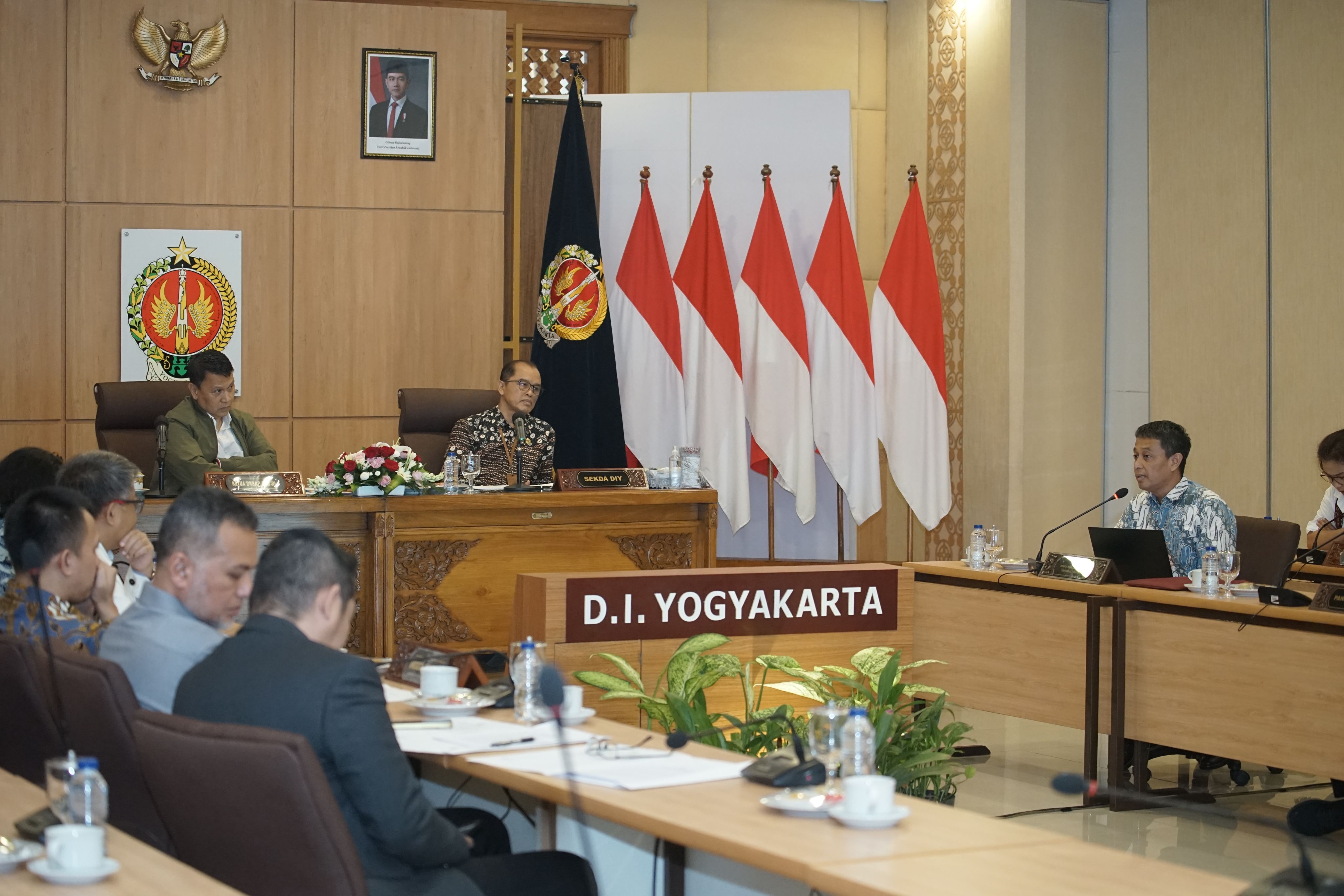
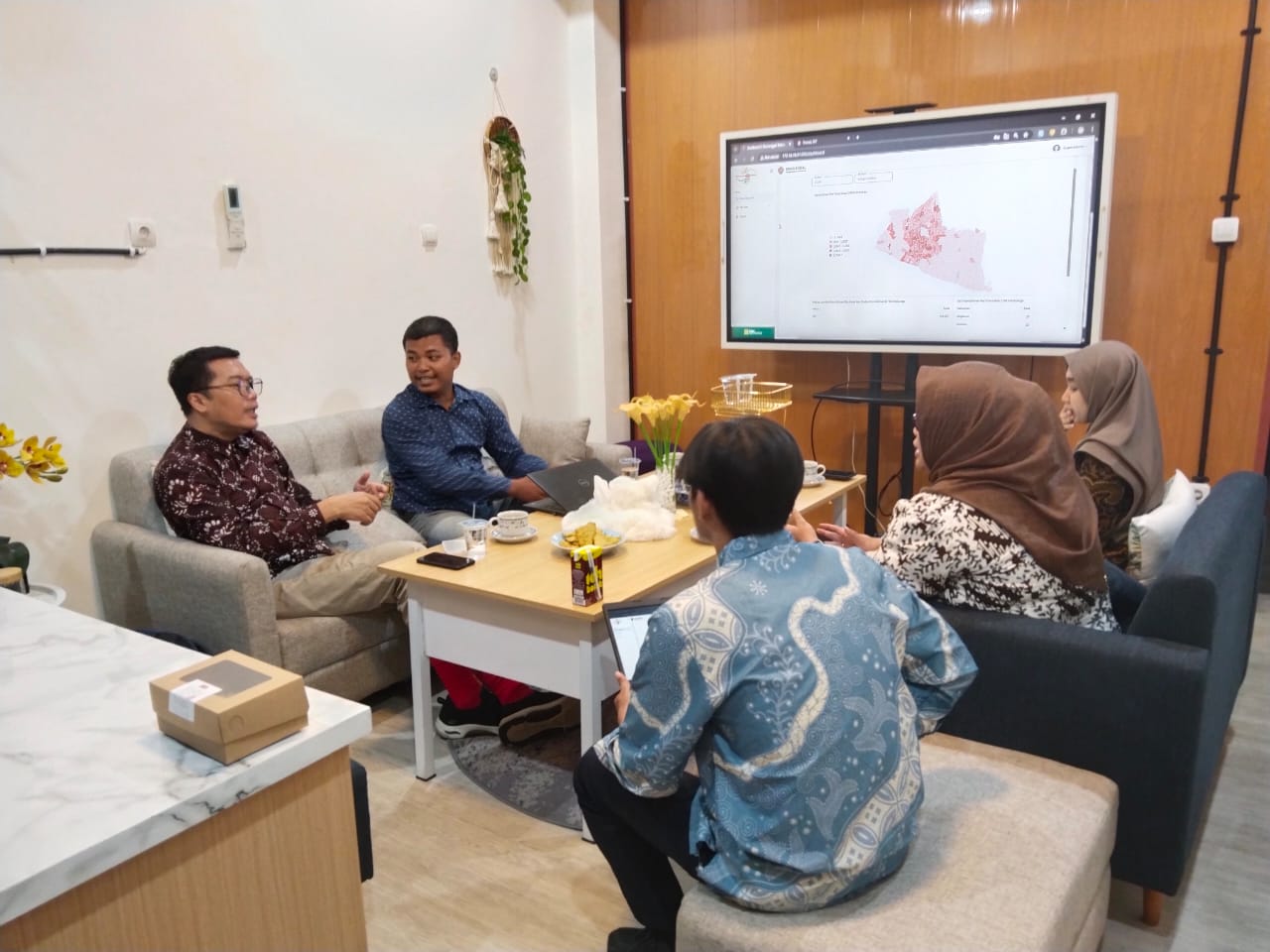
Yes, the forum is multi-stakeholder, involving government agencies, NGOs, and other relevant institutions that collaborate and provide input in the co-creation and implementation of the commitments.
Provide evidence for your answer:
BKSAP DPR-RI mempelajari OGP Local.jpg
Meeting 2025-10-29.jpeg
1.3 Does the forum hold at least one meeting with civil society and non-governmental stakeholders during the co-creation of the action plan?
Yes
Provide a brief explanation of your answer:
Yes, the forum held some meetings with civil society and non-governmental stakeholders during the co-creation of the action plan to gather input, discuss priorities, and ensure shared ownership of the commitments.
Provide evidence for your answer:
BKSAP DPR-RI mempelajari OGP Local di DIY1.jpg
Meeting 2025-10-29.jpeg
1.4 Has the action plan been endorsed by the stakeholders of the forum or steering committeeThe Steering Committee is OGP’s executive decision-making body. Its role is to develop, promote and safeguard OGP’s values, principles and interests; establish OGP’s core ideas, policies, and rules; a.../group?
Yes
Provide a brief explanation of your answer:
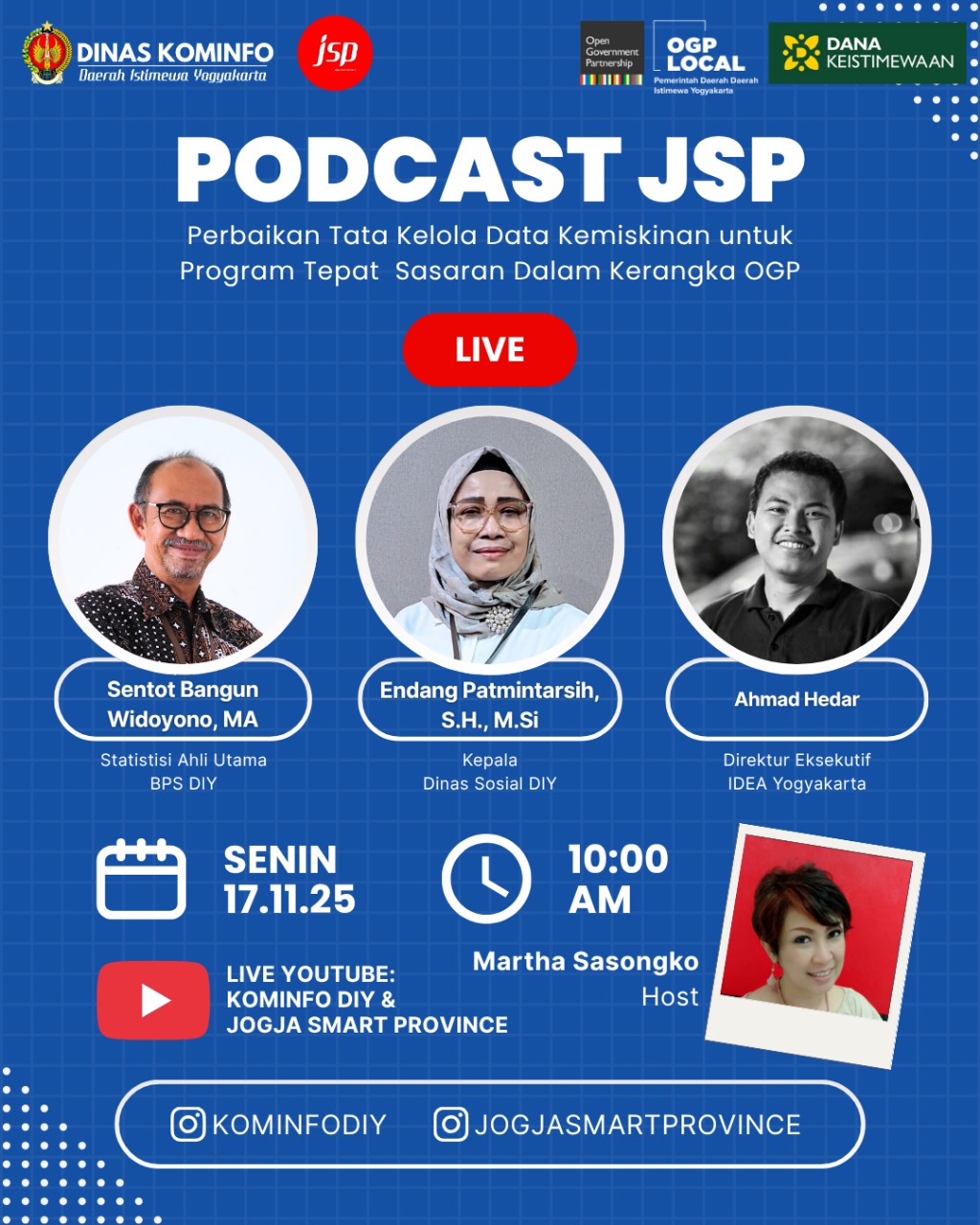
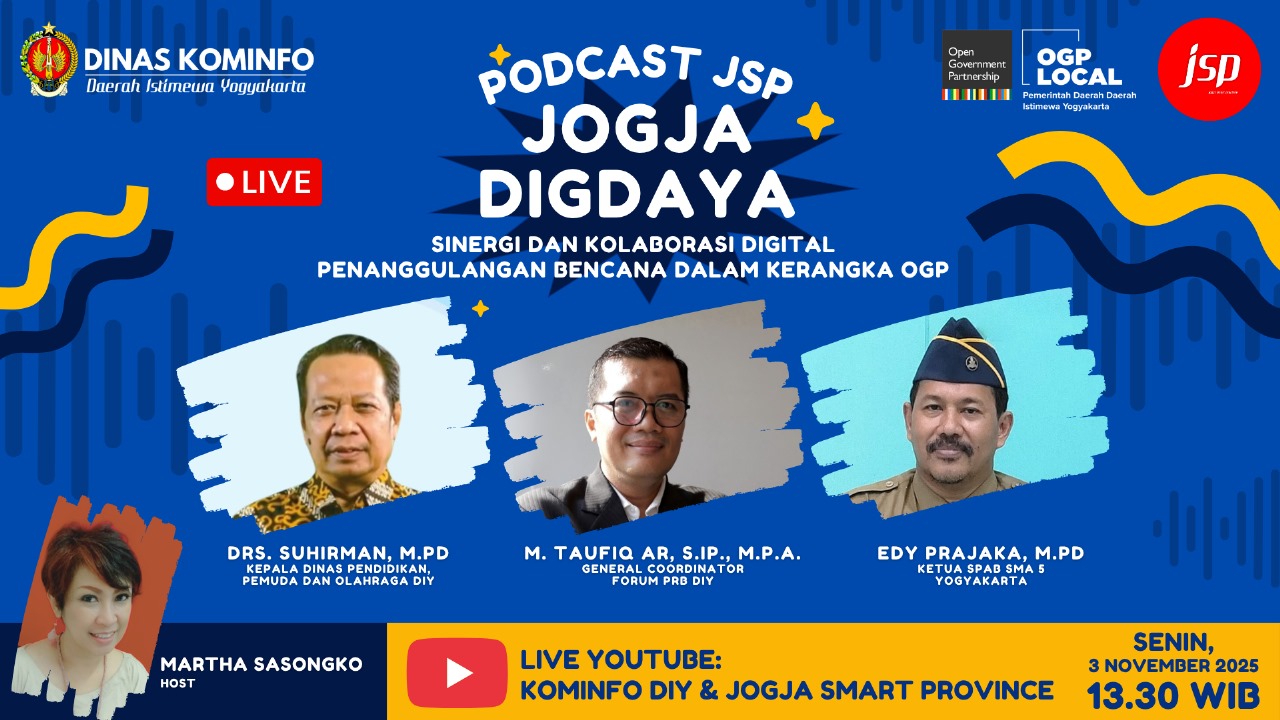
Yes, the action plan has been endorsed by the stakeholders of the forum, including government agencies and non-governmental partners, through a joint agreement and consultation process during the co-creation phase.
Provide evidence for your answer:
Poster Podcast Kemiskinan.jpeg
Poster Podcast Kebencanaan.jpeg
Section 2.
Recommended practices
in co-creation
2.1 Does the government maintain a Local OGP website or webpage on a government website where information on the OGP Local process (co-creation and implementation) is proactively published?
Yes
Provide a brief explanation of your answer:
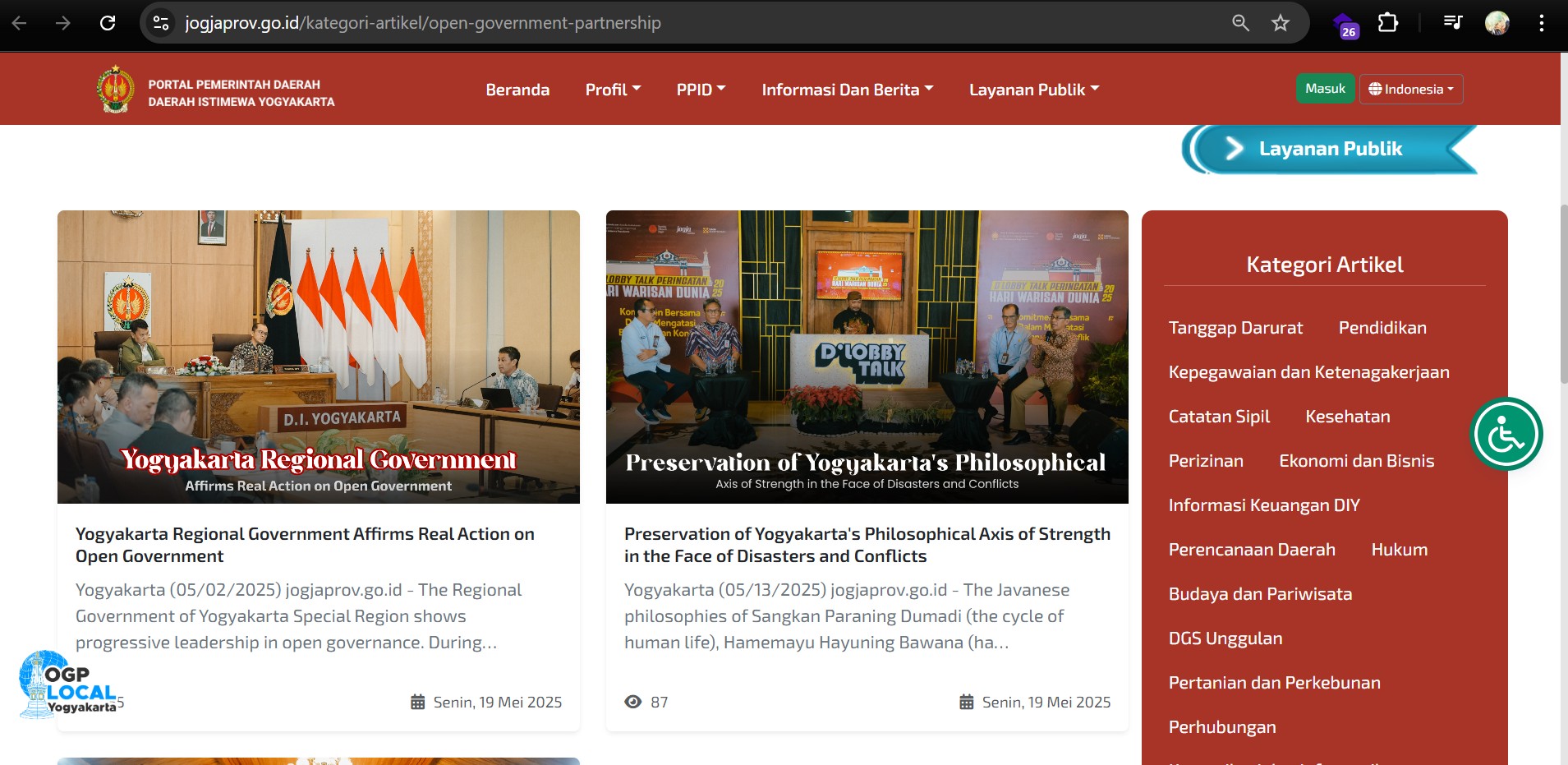
Pemda DIY maintains a dedicated webpage for the Open Government Partnership (OGP) Local process on its official website. Information related to the co-creation process, implementation progress, and OGP-related activities is proactively published and regularly updated through the following link.
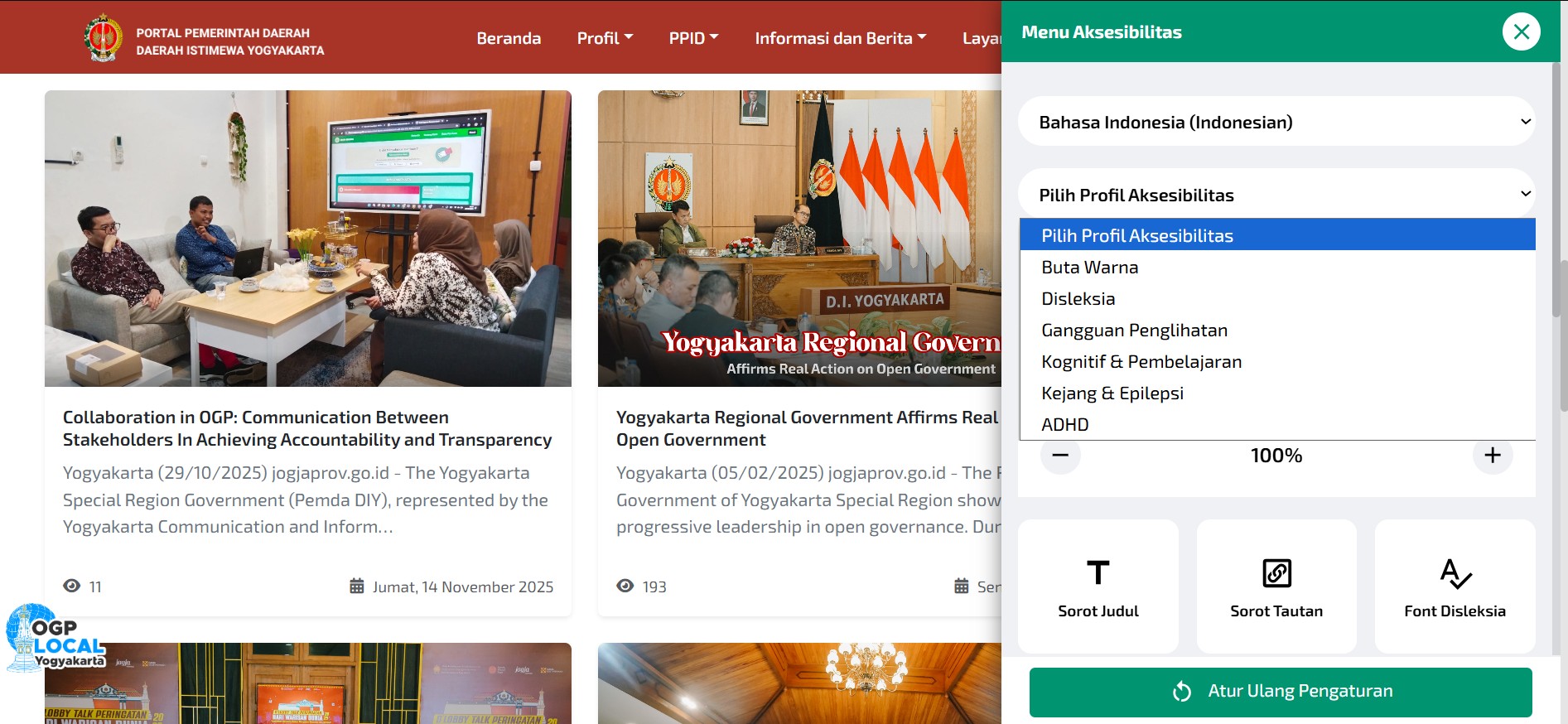
The webpage also includes accessibility features designed to ensure inclusive access for all users. These include profile settings for individuals with dyslexia, ADHD, color blindness, visual impairments, and other accessibility needs, allowing them to adjust the display and interaction according to their preferences.
This accessibility-oriented design reflects the government’s commitmentOGP commitments are promises for reform co-created by governments and civil society and submitted as part of an action plan. Commitments typically include a description of the problem, concrete action... to transparencyAccording to OGP’s Articles of Governance, transparency occurs when “government-held information (including on activities and decisions) is open, comprehensive, timely, freely available to the public,... More, openness, and inclusivity in the implementation of the OGP Local initiative.
Provide evidence for your answer:
Official Website OGP Local Activities
Provide references here (e.g. interviews):
2.2 Did the government provide information to stakeholders in advance to facilitate informed and prepared participation in the co-creation processCollaboration between government, civil society and other stakeholders (e.g., citizens, academics, private sector) is at the heart of the OGP process. Participating governments must ensure that a dive...?
Yes
Provide a brief explanation of your answer:
Pemda DIY provided information in advance to stakeholders to ensure informed and prepared participation in the co-creation process of the OGP Local Action Plan.
Additionally, the government and civil society partners conducted awareness-raising and outreach sessions to introduce the OGP Local initiative, explain the co-creation process, and invite contributions from relevant stakeholders. These engagements enabled diverse participation and built a shared understanding of the OGP framework and values.
Provide references here (e.g. interviews):
Instagram Post
Instagram Post 1
Facebook Post
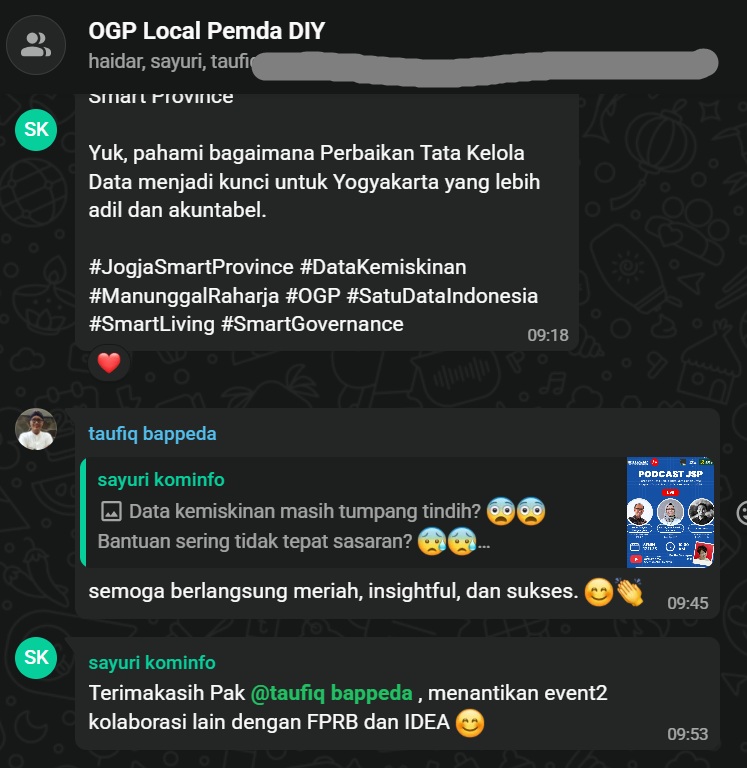
2.3 Did the government ensure that any interested member of the public could make inputs into the action plan and observe or have access to decision-making documentation?
Yes
Provide a brief explanation of your answer:
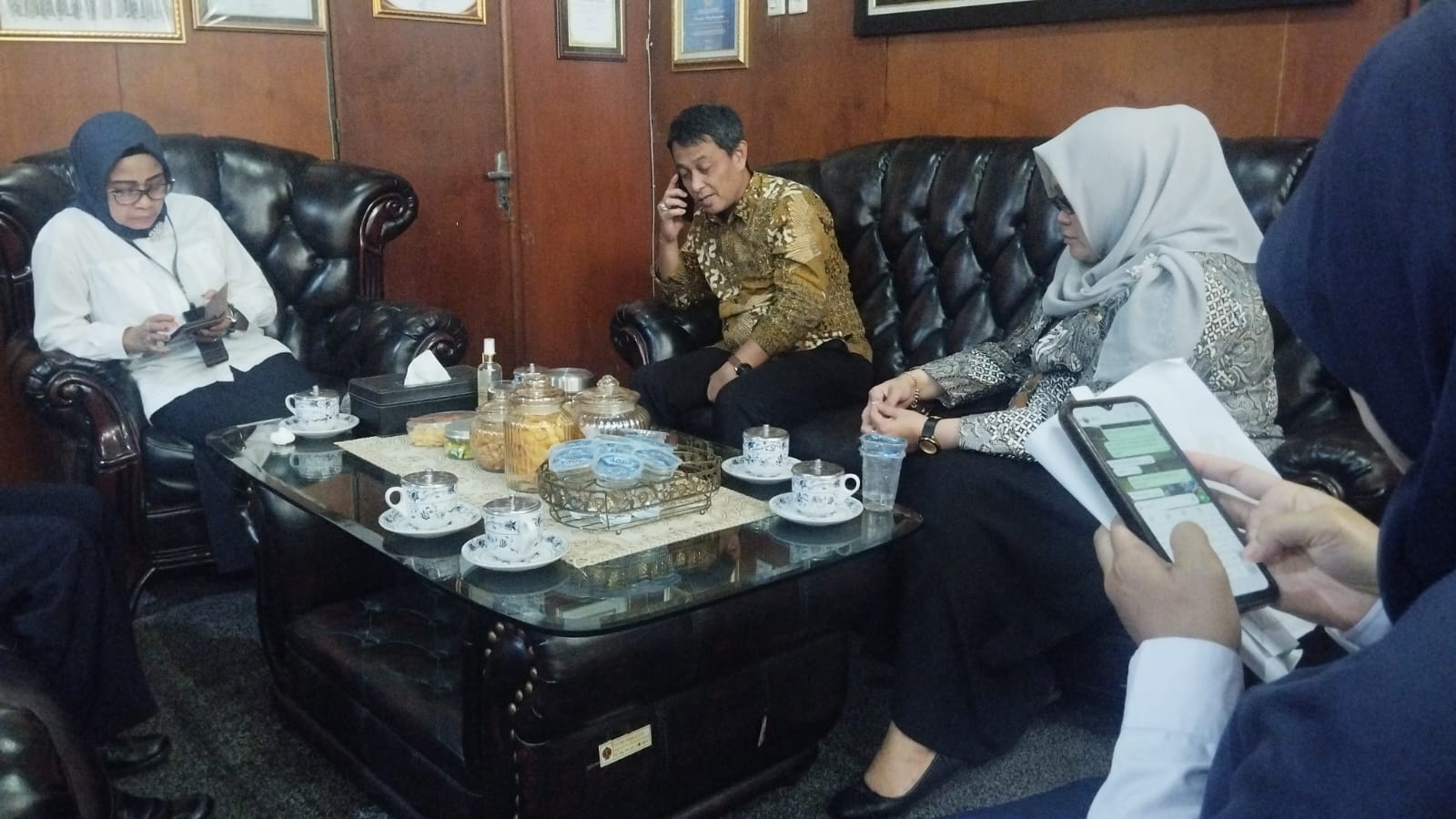
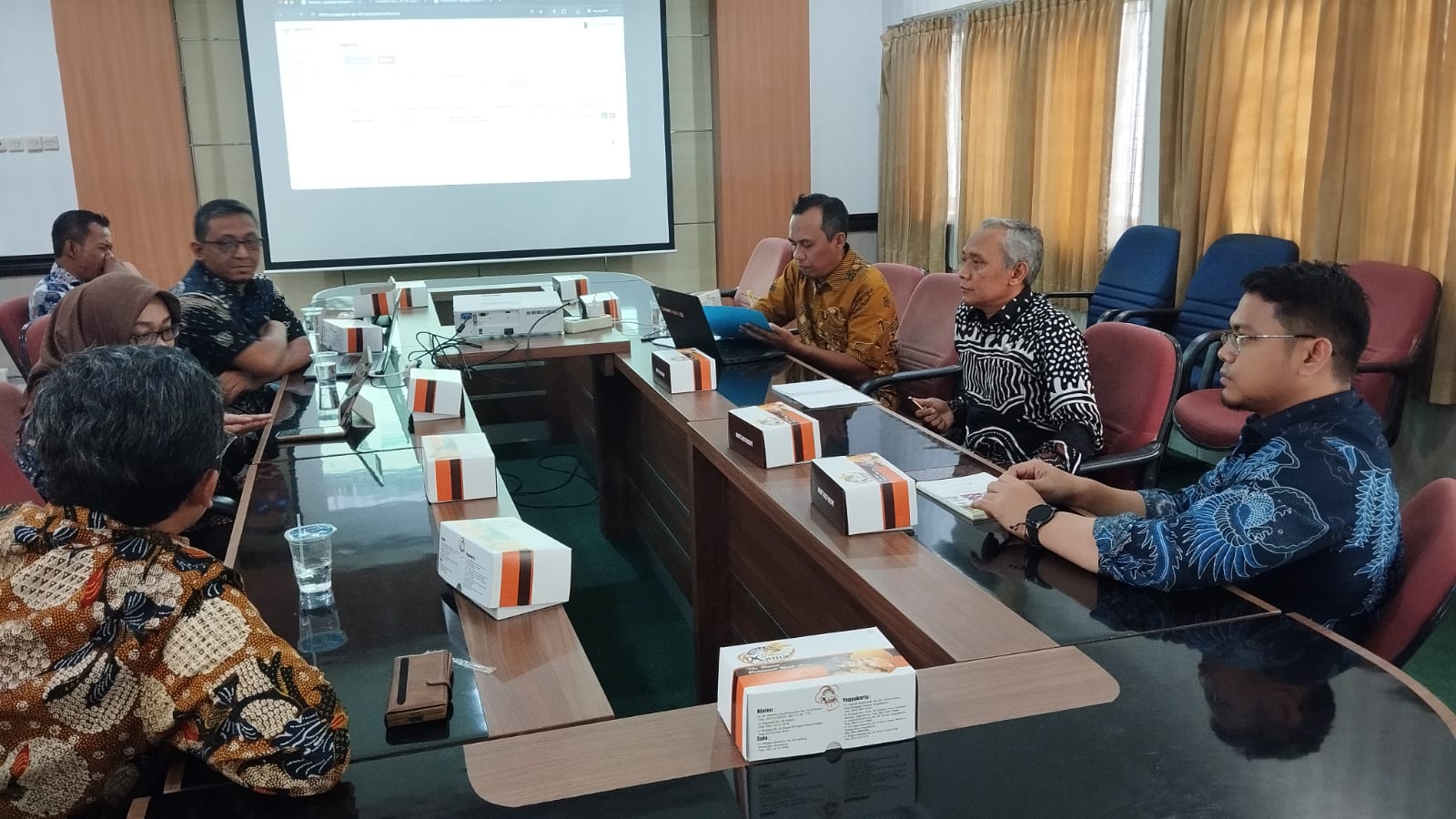
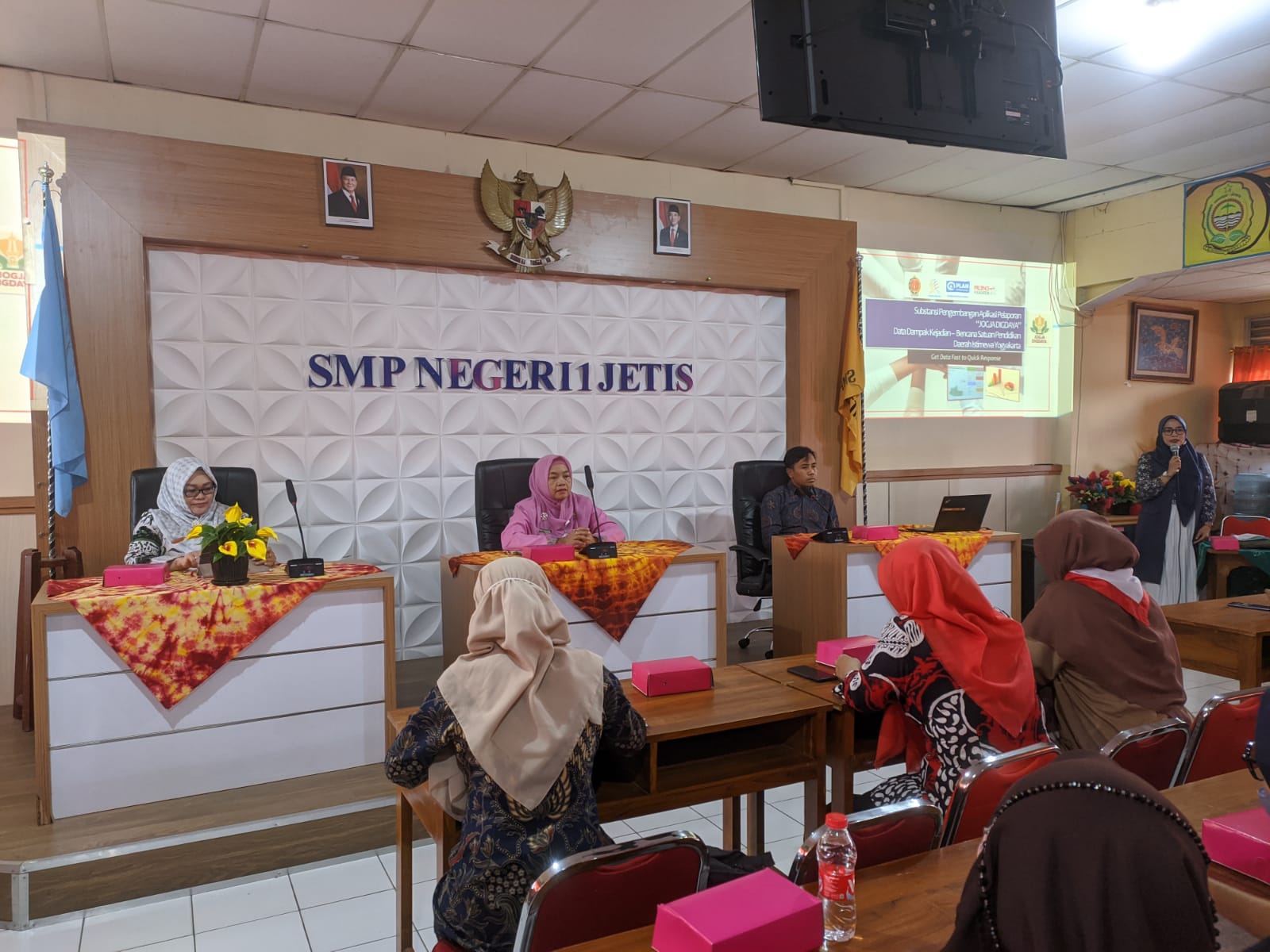
Pemda DIY ensured that any interested member of the public could provide input into the OGP Local Action Plan and access documentation related to the decision-making process. During the co-creation phase, the government organized a series of public consultations and multi-stakeholder meetings that were open to civil society organizations, academic institutions, youthRecognizing that investing in youth means investing in a better future, OGP participating governments are creating meaningful opportunities for youth to participate in government processes. Technical ... More groups, media representatives, and community members. These sessions provided space for participants to propose ideas, discuss local governance challenges, and contribute directly to the formulation of commitments.
Provide evidence for your answer:
Public meeting 1.jpeg
Public meeting 2.jpeg
Public meeting 3.jpeg
Group-chat.jpg
2.4 Did the government proactively report back or provide written feedback to stakeholders on how their contributions were considered during the creation of the action plan?
Yes
Provide a brief explanation of your answer:
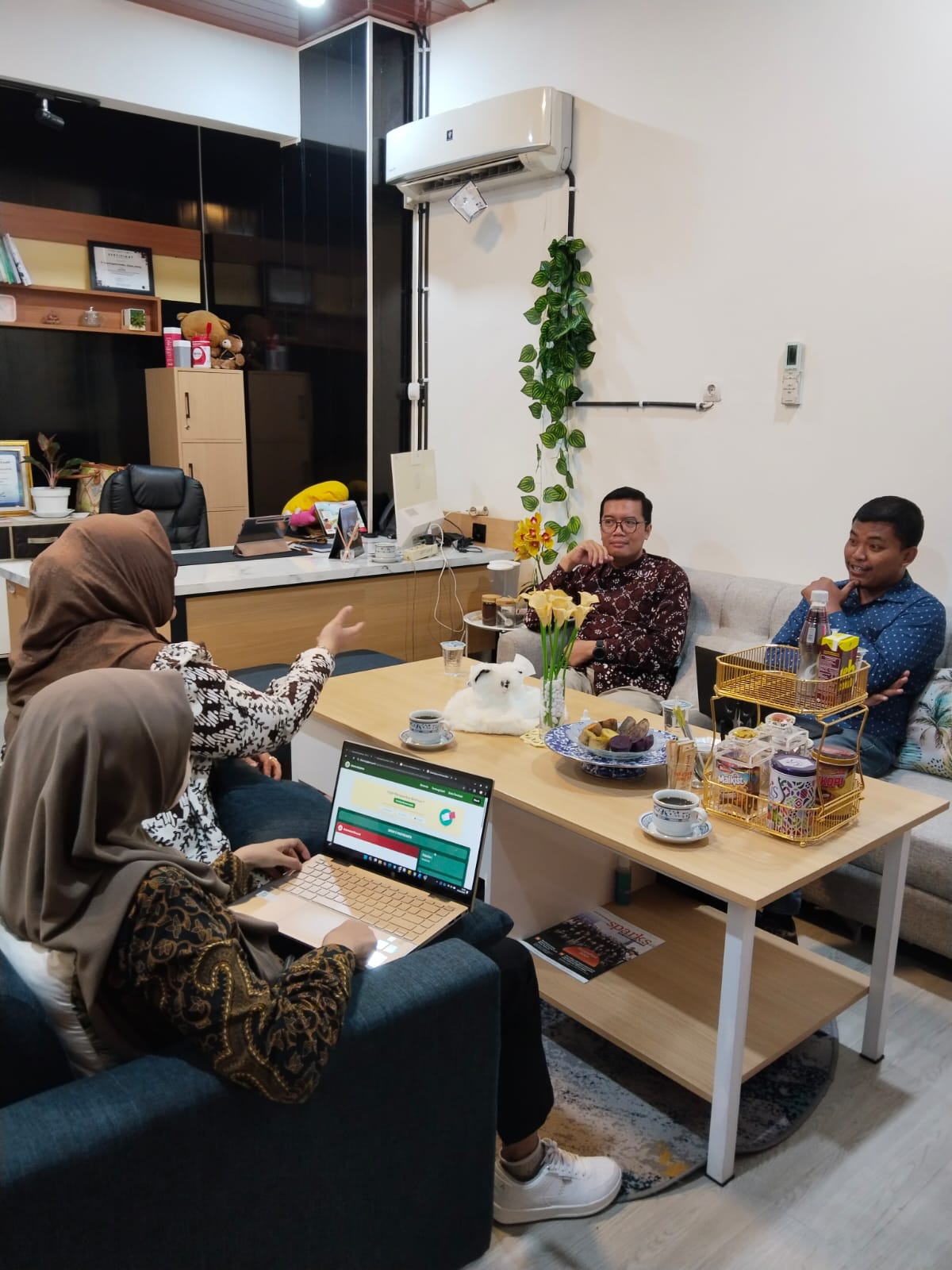
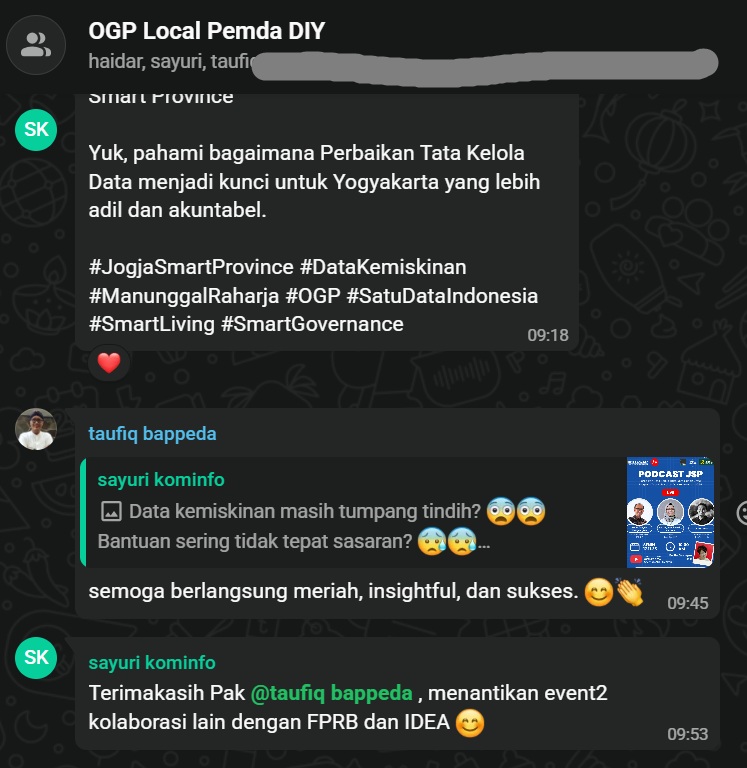
Pemda DIY proactively reported back and provided written feedback to stakeholders on how their inputs were considered during the co-creation of the OGP Local Action Plan through WhatsApp group and each co-creation meetings.
Provide evidence for your answer:
2.5 Was there an iterative dialogue and shared ownership between government and non-governmental stakeholders during the decision-making process, including setting the agenda?
Yes
Provide a brief explanation of your answer:
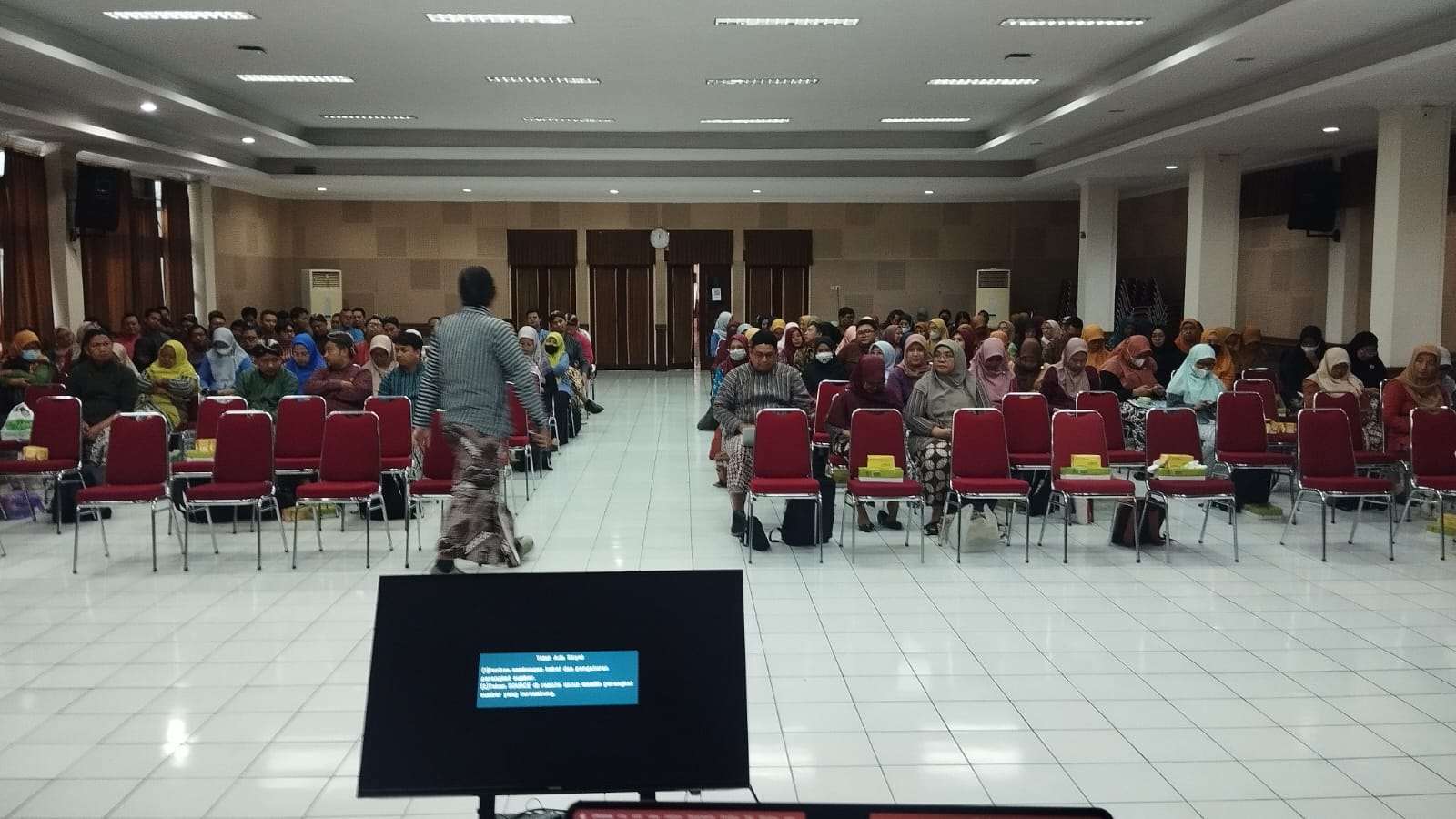
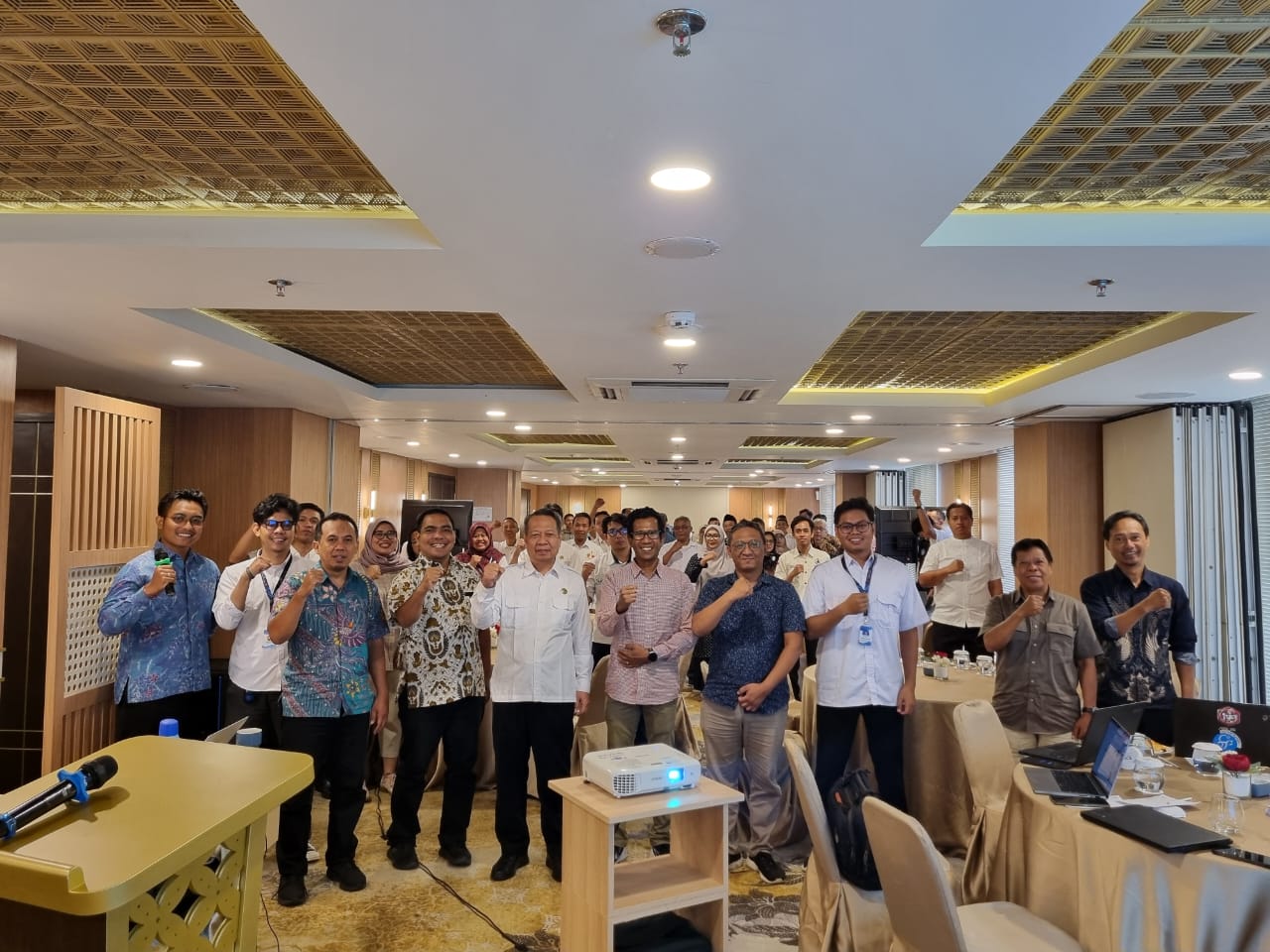
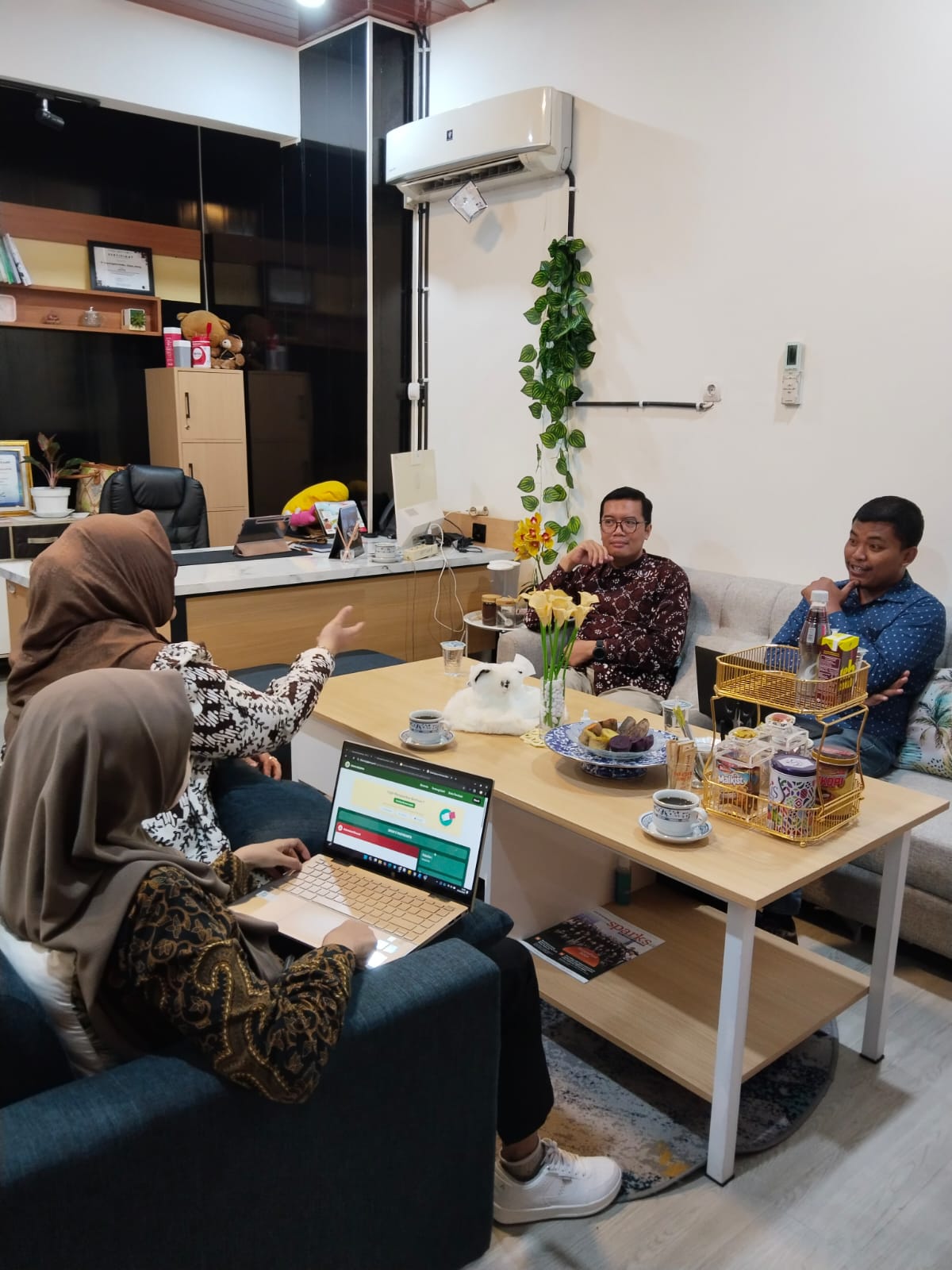
Yes, there was an iterative dialogue and shared ownership between Pemda DIY and non-governmental stakeholders throughout the decision-making process, including during the agenda-setting phase of the OGP Local Action Plan. Multiple rounds of multi-stakeholder discussions and co-creation meetings were held to encourage open dialogue between government representatives, NGOs, academic institutions, youth groups, and community leaders.
Provide evidence for your answer:
Multistakeholder Meeting.jpeg
Meeting.jpeg
Meeting1.jpeg
2.6 Would you consider the forum to be inclusive and diverse?
Moderately
Provide a brief explanation of your answer:
Yes. The OGP Local forum in Yogyakarta was moderately inclusive and diverse, ensuring broad representation from different sectors of society throughout the co-creation and decision-making process. Efforts were made to ensure genderOGP participating governments are bringing gender perspectives to popular policy areas, ensuring diversity in participatory processes, and specifically targeting gender gaps in policies to address gov... More balance and inclusionOGP participating governments are working to create governments that truly serve all people. Commitments in this area may address persons with disabilities, women and girls, lesbian, gay, bisexual, tr... More of youth and marginalized community representatives in discussions. The government also supported inclusivity through the official OGP Local webpage, which includes accessibility features designed for individuals with dyslexia, ADHD, color blindness, and visual impairments, ensuring equitable access to information for all stakeholders.
Throughout the process, participants were encouraged to express diverse viewpoints, and their contributions were documented and reflected in the final OGP Local Action Plan, demonstrating a genuine commitment to participatory and inclusive governance.
Provide evidence for your answer:
Section 3.
Initial evaluation
of commitments
1 Commitment :
Poverty handling data integration
1.1 Is the commitment verifiable?
Yes
Provide a brief explanation of your answer:
The commitment is verifiable. Poverty handling data integration is specific, time-bound, and measurable.
- Specific: The commitment clearly focuses on integrating data related to poverty handling programs across various agencies and sectors and creating a new platform called “Manunggal Raharja.”
- Time-bound: The commitment is implemented within a defined OGP action plan period, with a set timeline for key milestones
- Measurable: The success of the commitment can be evaluated using concrete indicators, such as the availability of data dashboards for public monitoring
1.2 Does the commitment language/activities clearly justify relevanceAccording to the OGP Articles of Governance, OGP commitments should include a clear open government lens. Specifically, they should advance at least one of the OGP values: transparency, citizen partic... to OGP values?
Yes
Provide a brief explanation of your answer:
This commitment demonstrates clear relevance to OGP values through its approach:
- Transparency: By integrating poverty-related data from multiple agencies into a single interoperable system, the commitment enhances access to accurate and up-to-date information on poverty and social assistance recipients.
- Public AccountabilityAccording to OGP’s Articles of Governance, public accountability occurs when ”rules, regulations, and mechanisms in place call upon government actors to justify their actions, act upon criticisms or r... More: The integration allows for clearer tracking of outcomes and the use of public resources. Decision-makers can be held accountable for data accuracy, program effectiveness, and policy alignment, as performance indicators become traceable and publicly visible.
- Public ParticipationGiving citizens opportunities to provide input into government decision-making leads to more effective governance, improved public service delivery, and more equitable outcomes. Technical specificatio...: Civil society organizations, researchers, and community groups can use the integrated data to provide feedback, propose policy improvements, and monitor the impact of interventions at the grassroots level. The open dataBy opening up data and making it sharable and reusable, governments can enable informed debate, better decision making, and the development of innovative new services. Technical specifications: Polici... format encourages participatory analysis and co-creation of solutions.
- Technology and Innovation: The commitment applies digital technology to connect fragmented data systems, improve interoperability, and build data-driven policy tools. This reflects an innovative approach to governance and evidence-based decision-making.
1.3 Please select one option that best describes the commitment:
a new regulationGovernment reformers are developing regulations that enshrine values of transparency, participation, and accountability in government practices. Technical specifications: Act of creating or reforming ..., policy, practice, or requirement.
Provide a brief explanation of your answer:
Manunggal Raharja constitutes a new institutionalized policy and data governance system, ensuring unified, evidence-based poverty handling across government levels. It changes how welfare data is managed, shared, and used for policymaking, thus making it a binding framework within the regional poverty alleviation system.
1.4 Please select one option that best describes the commitment:
will result in a change of the rules, practices, or policies that govern a policy area, public sector, and/or relationship between citizens, and is binding or institutionalized across government or specific institution(s).
Provide a brief explanation of your answer:
The Poverty Handling Data Integration initiative will result in a significant change in how poverty-related data is governed and used across government institutions. Previously, poverty and social welfare data in Yogyakarta were fragmented, inconsistent, and dispersed across multiple agencies, each using different formats and systems. This situation created inefficiencies, duplication, and delays in decision-making and targeting social assistance.
Through this commitment, the government institutionalizes a unified and integrated data management system under the Manunggal Raharja platform. This system establishes new rules and standard operating procedures for data synchronization, validation, and sharing among provincial and district/city governments.
The process also promotes cross-agency collaboration and introduces regular mechanisms for data verification and public reporting, ensuring transparency and accountability in poverty reduction programs.
1.5 Are there any recommended changes to the design of the commitment to help improve its implementation?
This commitment is also well-designed and impactful, with clear objectives to improve data accuracy and coordination among agencies involved in poverty reduction. The implementation framework already supports transparency and evidence-based policymaking.
Small refinements could involve enhancing inter-agency coordination mechanisms for data interoperability and increasing public access to dashboards or progress reports to sustain accountability.
2 Commitment :
Disaster data app for educational units
2.1 Is the commitment verifiable?
Yes
Provide a brief explanation of your answer:
The commitment is verifiable. The Disaster Data Application for Educational Units commitment is specific, time-bound, and measurable.
- Specific: The commitment focuses on developing and implementing a digital application that collects, manages, and visualizes disaster-related data specifically for schools and other educational institutions. It aims to strengthen disaster preparedness, response, and risk reduction within the educationAccountability within the public education system is key to improving outcomes and attainment, and accountability is nearly impossible without transparent policies and opportunities for participation ... sector, and create a new platform called “Jogja Digdaya.”
- Time-bound: The initiative is carried out within a defined implementation period under the OGP action plan, with scheduled milestones such as system development, pilot testing in selected schools, and full-scale deployment by the end of the program timeline.
- Measurable: The progress and impact can be measured through indicators such as the number of schools registered and actively using the application, the frequency and accuracy of data updates, the number of trainings conducted for school personnel, and the integration of data with regional disaster management systems.
2.2 Does the commitment language/activities clearly justify relevance to OGP values?
Yes
Provide a brief explanation of your answer:
This commitment is also strongly aligned with OGP values, as it operationalizes open and collaborative governance in the disaster management sector:
- Transparency: The application provides clear, accessible information about disaster risks, incidents, and preparedness levels in educational institutions. Making such data available supports informed decision-making by schools, parents, and communities.
- Public Accountability: With transparent disaster data, education authorities and local governments can be more easily held accountable for preparedness measures, response protocols, and follow-up actions after an incident. This accountability fosters safer and more resilient schools.
- Public Participation: Teachers, students, and school communities can contribute data, report incidents, and participate in risk assessment activities through the platform. Their engagement ensures the system reflects real conditions and local knowledge, reinforcing a culture of collective preparedness.
- Technology and Innovation: The digital platform itself is an innovative solution, using technology to bridge information gaps and strengthen coordination between education and disaster management stakeholders. It introduces new ways of collecting and sharing data in real time.
2.3 Please select one option that best describes the commitment:
a new regulation, policy, practice, or requirement.
Provide a brief explanation of your answer:
Jogja Digdaya is a new practice and policy framework that institutionalizes coordinated, data-driven disaster management in the education sector with the potential to become a formal regulation as it scales across government.
2.4 Please select one option that best describes the commitment:
will result in a change of the rules, practices, or policies that govern a policy area, public sector, and/or relationship between citizens, and is binding or institutionalized across government or specific institution(s).
Provide a brief explanation of your answer:
The Disaster Data Application for Educational Units, by Jogja Digdaya, represents a transformative change in how disaster preparedness and data management are governed within the education sector in Yogyakarta.
Previously, disaster preparedness in educational units lacked a coordinated data system; each school and agency relied on separate practices with limited communication and data sharing. The absence of a unified platform resulted in inconsistent reporting, unclear emergency protocols, and low awareness of vulnerability levels across schools.
Through this commitment, Jogja Digdaya institutionalizes a standardized, collaborative mechanism for collecting, managing, and analyzing disaster-related data in schools. The platform brings together education offices, schools, and disaster management agencies to co-create shared practices and standard operating procedures for preparedness and rapid response. By embedding Jogja Digdaya into government workflows and ensuring continuous data integration across sectors, the initiative establishes new rules and collaborative practices that are binding and sustainable within the local governance framework. Over time, the use of the application will become a binding operational standard in managing disaster data for educational institutions and potentially a model for replication at the national level.
2.5 Are there any recommended changes to the design of the commitment to help improve its implementation?
No major design changes are recommended, as the commitment has been well-structured and effectively implemented.
The initiative successfully integrates disaster-related data for schools, promotes preparedness, and encourages collaboration between the education and disaster management sectors. Minor improvements could include expanding training and engagement for schools to ensure consistent data input and increasing integration with regional disaster systems for real-time updates. Overall, the design already demonstrates strong innovation, inclusiveness, and clear alignment with OGP values.
Leave a Reply