
How Rosario Made its City Rules Easier for Children to Understand
In the city of Rosario (Argentina), a new Code of Coexistence came into effect in August 2022, replacing the 1981 Code of Offences. The Code sets out rules governing everyday life, from caring for public spaces and animals to relations between neighbours and road safety. The new regulations also introduced issues such as environmental protection, inclusionOGP participating governments are working to create governments that truly serve all people. Commitments in this area may address persons with disabilities, women and girls, lesbian, gay, bisexual, tr... More, and genderOGP participating governments are bringing gender perspectives to popular policy areas, ensuring diversity in participatory processes, and specifically targeting gender gaps in policies to address gov... More and disability perspectives.
But almost 350 articles written in legal language were not easy for children aged 6 to 12 to understand. If rules shape such a large part of everyday life, making them accessible to children required finding a different way to explain them.
That challenge led to the “New Code of Coexistence Adapted for Children” project (Codi, in Spanish), launched in 2023 by the Directorate-General for Institutional Strengthening within the Secretariat for Control and Coexistence and designed through a participatory process with institutions across the city. The aim was to help children understand why rules exist and how they can contribute to living together in their communities.
“Adapting a complex topic like the Code of Coexistence for children was a major challenge,” explains Cintia Gervasoni, Director of Institutional Strengthening. Accessibility was built into the project from the outset, with audio descriptions and audiobooks. The Municipality’s Disability Directorate and the Rosario Circle of Deaf People also contributed to the development of the materials, including sign-language resources and other accessible forms of communication.
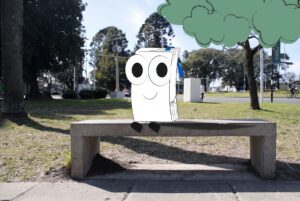
The result was a programme combining eight audiovisual chapters, digital games, printed materials and in-person workshops. Codi became its central resource: a book-shaped character who visits recognisable places across Rosario and explains the rules through stories and everyday situations. Codi was officially launched at Jardín de los Niños, where dozens of children met the character through play. Since then, the project has travelled to schools and other spaces across the city.
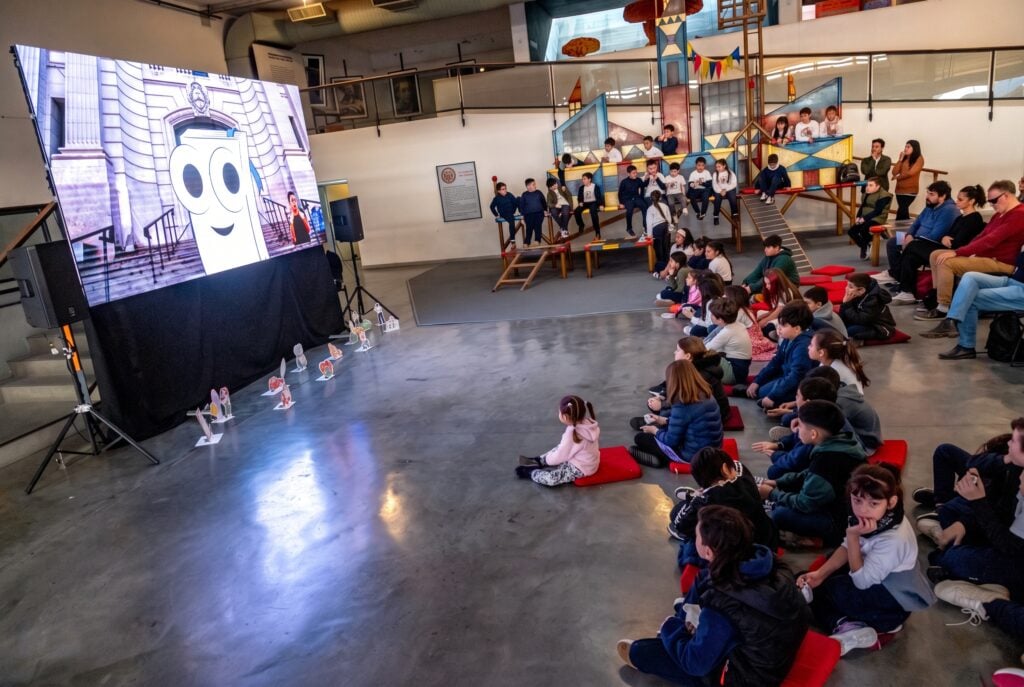
At schools, teachers can use Codi to explore topics such as caring for animals, public spaces, road safety, emotions, and respect for others. “The idea is for teachers to make this new version their own and use it to communicate the rules we have for living together,” says Diego Herrera, Secretary for Control and Coexistence.
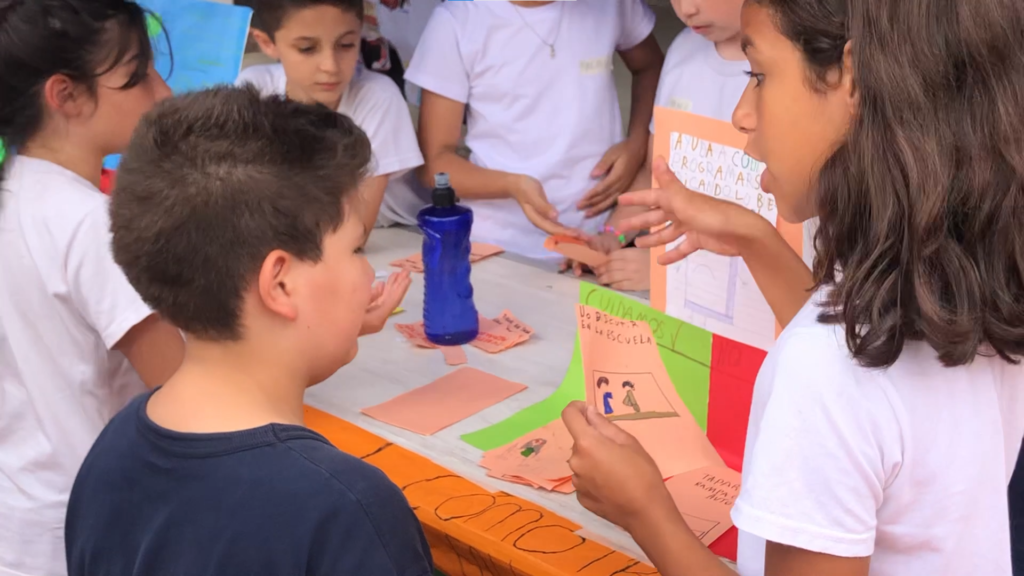
At Primary School No. 103, for example, Codi supported a process in which students developed the rules they wanted for their own school community. The process culminated in a Coexistence Fair, where they shared their proposals with their families and created their own code. Their messages included rules about respecting other people’s belongings, not disturbing those who are studying, and treating others well.
“Thank you for taking care of our city.” Vito wrote this message after taking part in a Codi activity. Another student wrote: “Thank you for teaching us to respect others.” Behind these messages is a simple idea: children also have the right to understand the rules of the city they live in.
Codi has also moved beyond the classroom. It takes part in open activities such as Plazas de los Cuidados and summer programmes organised by the Municipality, where children and families can learn about the rules through games and activities focused on caring for public spaces. In this way, the rules are explored in the same places where people live together every day.
So far, Codi has reached 92 schools through 375 activities, engaging more than 12,000 children. More than 600 physical copies of Codi have also been distributed at different locations across the city.
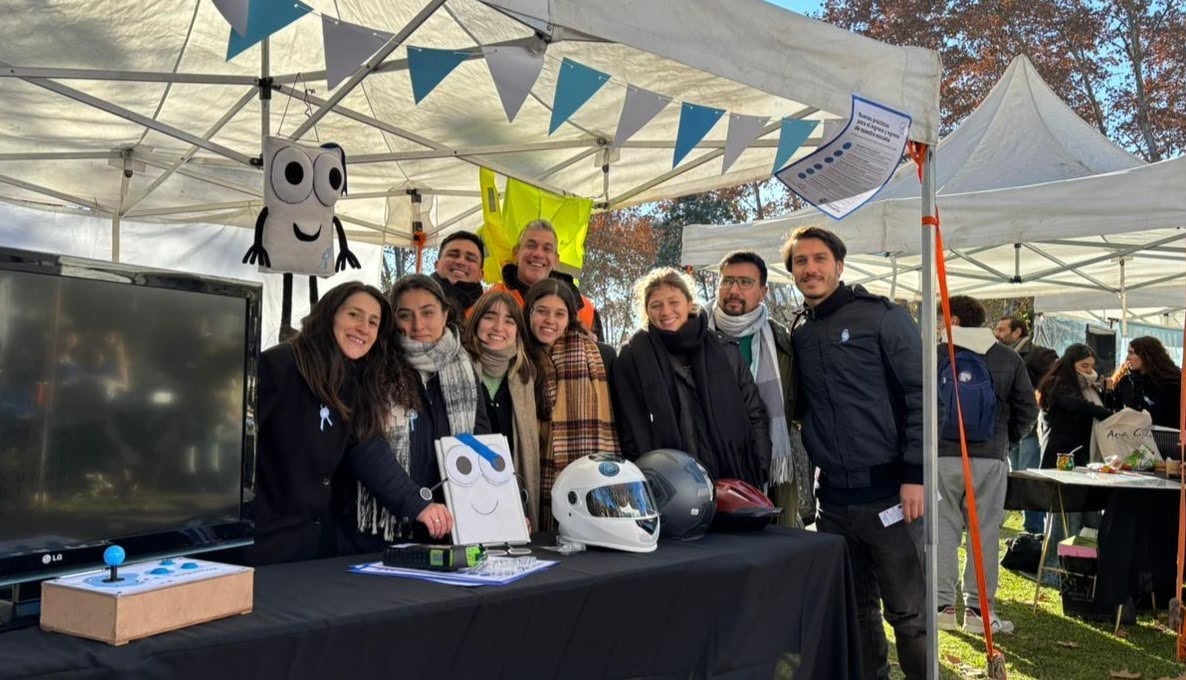
The project continues to travel across Rosario and develop new activities and materials based on what has been learned in schools. A new phase is already being prepared, with materials addressing issues such as cyberbullying, online grooming, online gaming, and privacy protection.
Codi’s experience shows that making public information accessible also means thinking about who can understand it and participate in it. By bringing the rules of coexistence into schools, public squares, and other everyday spaces, Rosario is giving children the tools to better understand the city they live in and the role they can play in it.
The Directorate General for Institutional Strengthening, part of the City of Rosario’s Secretariat of Oversight and Coexistence, develops training programs and educational tools for both municipal staff and residents on topics related to oversight and community coexistence. It is made up of an interdisciplinary team that draws on different perspectives to design educational tools tailored to a range of key social actors.
Leave a Reply