Open government reforms have led to tangible results: new or improved legislation mandating openness, greater proactive disclosure of data, and enhanced civil society participation in policy design.
This publication profiles five policy areas where these results have been the strongest across the Partnership. These are beneficial ownership transparency, open contracting, fiscal openness, public participation, and the right to information.
Each chapter outlines how OGP has supported the processes through which reforms were made and acted upon, and highlights specific, impactful initiatives from OGP members.
POLICY AREAS
Ending Anonymous Ownership
Uncovering Spending in Public Contracts
Opening Public Budgets
Mainstreaming Public Participation
Protecting the Right to Information
When those in power stash their ill-gotten funds in shell companies, real estate, and cryptocurrency, it drains billions of resources needed to fund public goods and services that benefit all of us while fueling corruption and organized crime. Shining a light on the real people who own, control, or benefit from companies is the first step to addressing this pervasive problem. This is known as beneficial ownership transparency.
Beneficial ownership transparency as a growing global norm: OGP countries continue to show progress in the publication of beneficial ownership data. This is despite recent legal developments, such as the Court of Justice of the European Union ruling in 2022, which stated that unrestricted access to beneficial ownership data infringed upon privacy rights. At the time, 36 percent of OGP countries published any beneficial ownership data. Today, 41 percent of OGP countries have public beneficial ownership registers.
OGP countries leading the way: OGP countries outperform non-OGP countries when it comes to the public availability of beneficial ownership data. Specifically, compared to the 41 percent of OGP countries with a public beneficial ownership register, only 12 percent of non-OGP countries—or less than three times as many—have the same.
OGP as an engine for results: Nearly 30 OGP countries have achieved concrete outcomes through their beneficial ownership transparency commitments—such as the passage of legislation, the disclosure of data, and the co-creation of policy with civil society.
- Legislation: 21 OGP countries have passed relevant legislation on beneficial ownership transparency.
- Civic participation: 20 OGP countries involved civil society either through consultations, joint shaping of policy, or use of beneficial ownership data to promote accountability.
- Public registers: 12 OGP countries started publishing beneficial ownership data for the first time, several through central registers.
Learn more
Platform for a plurilateral system: OGP fosters action-oriented, issue-driven coalitions, harnessing political momentum and windows of opportunity in policy areas like beneficial ownership transparency. OGP’s global and regional events drew public commitments to beneficial ownership reform from political leaders and enabled cross-country learning on this topic. Along with Open Ownership and the Government of the UK, OGP also launched and convened the now-sunsetted Beneficial Ownership Leadership Group of eight countries to connect these global pledges to implementation at the national level. OGP then profiled country-level reforms back on the global stage through events, communications, support for civil society, and beyond to inspire others and encourage broader uptake and learning. The advocacy of global and domestic CSOs, including Transparency International and its national chapters, has also been key to this progress.
Iterative action framework: OGP countries were among the earliest adopters of policies to advance beneficial ownership transparency. Ukraine became the first country in the world to launch a public beneficial ownership register, and later used the OGP process to expand on this groundbreaking reform. In Armenia and Ghana, these registers began with the extractives sector, iterating and expanding disclosures to the whole economy over the course of several action plans.
Multi-stakeholder collaboration: OGP’s model requires political leaders, civil society, business, and policy experts to work together to advance a reform. In Nigeria, OGP enabled a civil society coalition to form, amplified their agendas and connected them to senior government leaders and the private sector—ultimately leading to President Buhari signing the landmark Companies and Allied Matters Act into law.
Mobilized funding: OGP helped mobilize funding from the European Union and from the OGP Multi-Donor Trust Fund for Armenia and Nigeria’s beneficial ownership reforms, which were critical early resources for domestic reformers to use in setting up their registers.
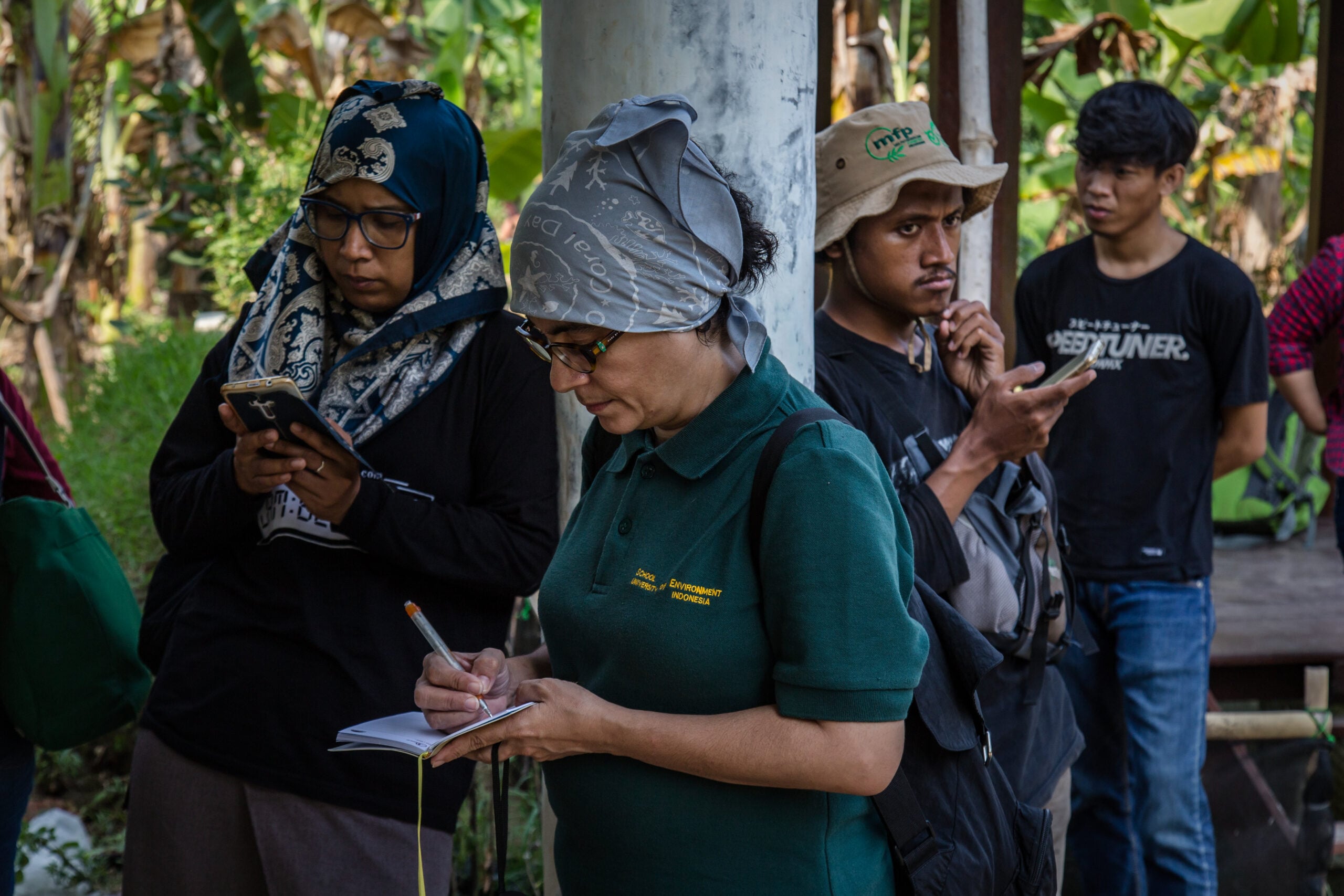
Along with the United Kingdom, Armenia, Canada, Ghana, Indonesia, Kenya, and Nigeria have used their OGP membership to publish their first-ever registers, becoming the first to do so in their respective regions. These countries stand out in the results they have achieved, with many of them demonstrating concrete channels for the public to trigger investigations and uncover evidence of alleged wrongdoing as a result of beneficial ownership data use.
Read more about what beneficial ownership reforms look like on the ground
Open contracting makes it easier to see how governments award contracts to deliver public goods and services—from infrastructure like bridges and hospitals to necessities like medicine and school lunches. Governments spend over USD 13 trillion each year to award contracts, but it is a process highly vulnerable to corruption and fraud. Since its inception, OGP has played a key role in advancing open contracting among its members, in collaboration with its partners at the Open Contracting Partnership, as well as CoST – Infrastructure Transparency Initiative, Development Gateway, the Extractive Industries Transparency Initiative, Hivos, Natural Resource Governance Institute, and the Open Data Charter.
Widespread adoption of open contracting: Nearly all OGP countries publish at least some contracting-related data. Altogether, 44 of 48 OGP countries in the OECD (including OECD accession and partner countries) aggregate the results of all public tenders awarded by the central government on a single website.
OGP countries leading the way: OGP countries are pushing the frontiers of open contracting. Collectively, 59 percent of OGP countries (43) are currently disclosing contracting data in a format aligned with the Open Contracting Data Standard (OCDS). This is more than four times as many as non-OGP countries, only 13 percent of which do the same.
OGP as a driver of results: 90 percent of countries advancing open contracting through OGP—43 countries in all—have achieved concrete results during their action plans, including disclosure of contracting information, legislation mandating greater openness, and channels for the public to trigger investigations.
- Legislation: 15 OGP countries have passed legislation or regulation through OGP to make public procurement more open, successfully institutionalizing the reform in government.
- Access to information: More than 40 OGP countries have made more procurement information publicly available by passing legislation, publishing data, or creating public procurement portals.
- Embedding public participation: 27 OGP countries involved the public while implementing their open contracting reforms. In 11 of these countries, there is clear evidence that CSOs directly shaped procurement policies, platforms, and/or legislation.
- Tangible economic effects: In 10 OGP countries, open contracting reforms produced economic impacts, such as greater government efficiency, more competitiveness among suppliers, and lower procurement costs.
Learn more
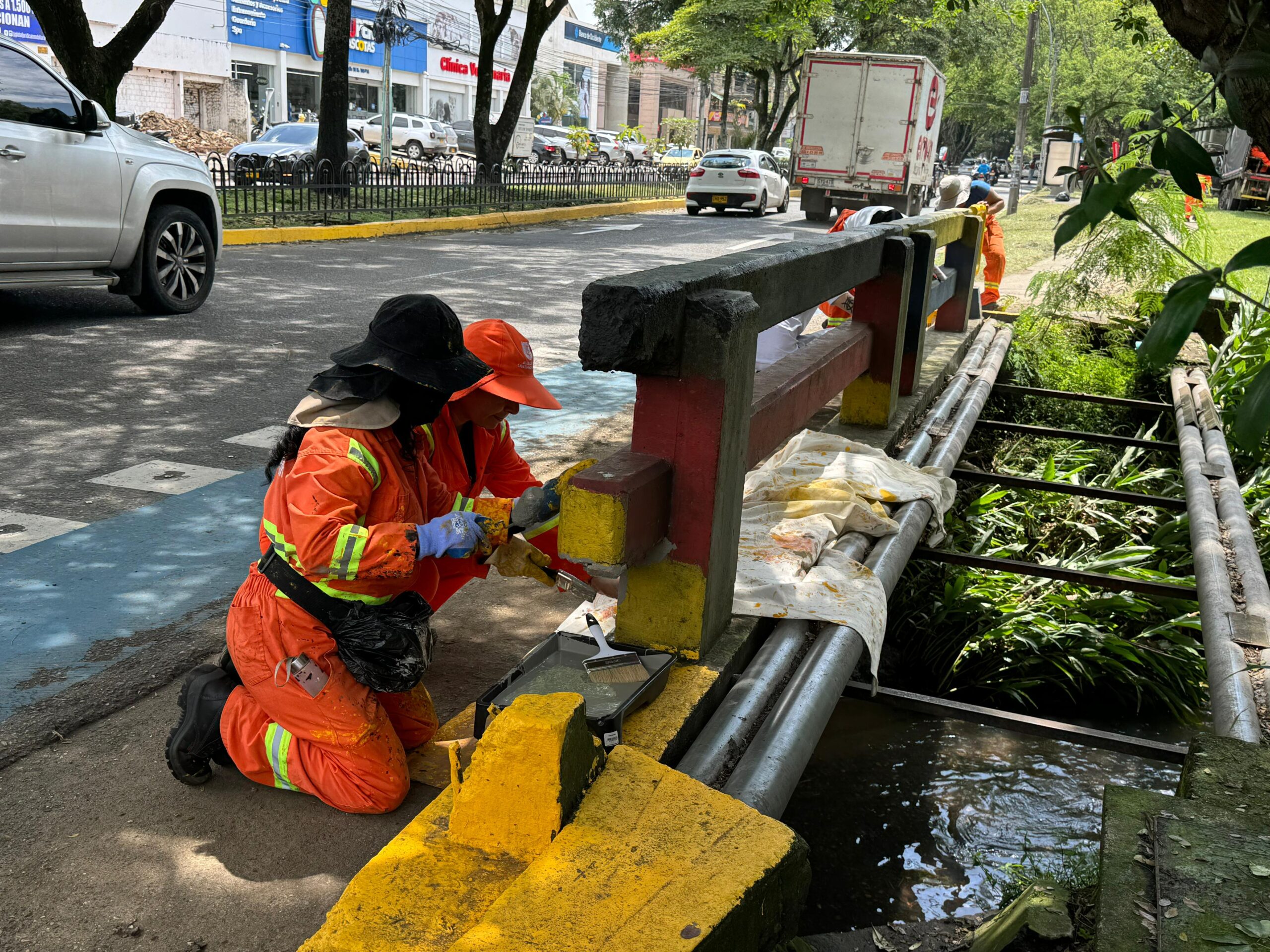
Multi-stakeholder collaboration and civic monitoring: OGP helped formalize collaboration between government and civil society in Palmira (Colombia), Ecuador, Indonesia, Mongolia, South Cotabato (Philippines), and Jalisco (Mexico), giving them a shared reform roadmap and the political legitimacy to push ambitious data‑openness and oversight measures. Civil society partners and the National Public Procurement body in Ecuador explicitly describe their collaboration as rooted in the OGP action‑plan process, using the commitment to justify publishing emergency data. Mongolia’s reform framed its OGP commitment with explicit goals for public oversight and CSO engagement. In South Cotabato (Philippines) and Jalisco (Mexico), OGP commitments similarly turned infrastructure transparency into public monitoring, with communities helping track public works. This in turn prompted contractors to complete vital projects, such as a new bridge in South Cotabato that gave students a shorter route to school.
Iterative action framework: Successive action plans enabled Indonesia, Ukraine and Kaduna State (Nigeria) to sequence their reform trajectories into strategic, multi-year reforms. Indonesia began with reforms to strengthen the legal basis for procurement transparency in earlier action plans, then expanded to formal complaint and enforcement mechanisms in more recent action plans. Ukraine’s open contracting platforms Prozorro, Dozorro, Prozorro-sale, and DREAM were developed over multiple OGP action plans. Kaduna State (Nigeria) launched its OCDS portal as a pilot in earlier action plans, then used the next plan to deepen data quality, coverage, and usability.
Resources and visibility: OGP membership and commitments helped frame Makueni County’s (Kenya) portal as a flagship anti‑corruption reform and attracted resources from Hivos and the Hewlett Foundation, with Development Gateway providing technical development and training. In Romania, the transparency in the spending of large local development funds supported its OECD accession process, creating an external incentive to maintain and deepen the reforms beyond a single action plan cycle.
Through open contracting reforms in Palmira, Colombia, 30 percent of the awarded value of school meal contracts went to seven agricultural cooperatives and eight independent farmers, benefiting 200 people directly. Three of these agricultural cooperatives include women-led producers, and two have women as their legal representatives.
Read more about what open contracting reforms look like on the ground.
Every year, governments collect and spend billions of taxpayer funds to pay for public services like education and healthcare. The public has a right to know how that money is allocated and how it is spent. Fiscal openness and open budgets lead to lower deficits, increased operational efficiency, higher tax morale, and increased revenue.
Growing transparency: In the last 15 years, fiscal transparency has improved in OGP countries, according to the Open Budget Survey (OBS). Between 2010 and 2025, OGP countries improved the transparency of eight key budget documents by 14 percent. For example, 80 percent of OGP countries publish the Executive’s Budget Proposal and Audit Report—two essential documents for open budgets—in a timely manner. Also, most OGP countries (58 percent) now publish enough information to support informed public debate on the budget, compared to fewer than a third of OGP countries (31 percent) in 2012.
Improved public engagement: OGP countries have also significantly improved public engagement in the budget process. Between 2017 and 2025, OGP countries improved formal opportunities for meaningful public participation by nearly 50 percent (46.9 percent). This outperforms growth in non-OGP countries during the same period (30 percent). Today, nearly all OGP countries (98 percent) have at least one channel for formal public engagement in the budget process, while more than half (56 percent) have channels for engagement across three branches of government.
OGP countries leading the way: On average, OGP countries publish sufficient information to support informed public debate on the budget at nearly four times the rate of non-OGP countries, according to the OBS. Specifically, more than half of OGP countries meet this benchmark (58 percent), compared to fewer than one in six non-OGP countries (15 percent). OGP countries also outperform non-OGP countries on public engagement in the budget process, more than doubling their OBS participation score.
All 60 assessed countries have achieved concrete outcomes during their action plans, such as newly disclosed data, new legislation mandating greater openness, and greater involvement of CSOs.
- Legislation: 26 OGP countries, or nearly half of the countries advancing fiscal openness, have passed legislation or regulations successfully institutionalizing open fiscal practices.
- Citizen budgets: 28 OGP countries, or about half of the countries advancing fiscal openness, have made budgetary information more accessible to the general public, such as through Citizen Budgets and interactive data visualizations.
- Public participation in policy-making: Notably, in 21 OGP countries, there is evidence that civil society directly shaped the results of the commitment, such as new fiscal policies, legislation, and data portals.
Learn more
Institutionalized reforms: Through repeated, time-bound commitments and with support from key partners like the International Budget Partnership, the now-sunsetted Global Initiative for Fiscal Transparency, and the World Bank, OGP helped reforms reforms evolve from pilots into
institutionalized fiscal openness programs with their own budgets and routines. In the Philippines, repeatedly embedding Citizen Participatory Audit (CPA) in OGP action plans helped shift them from pilots into core programs. Similarly, Croatia also used OGP to move from ad‑hoc transparency to a standardized and institutionalized system of sharing and visualizing local budget data that better aligns local policies with public interests.
Multi-stakeholder collaboration: Scotland’s (United Kingdom) commitment was co‑designed with parliament, fiscal experts, CSOs, and youth groups using the OGP framework for multi-stakeholder collaboration, leading to a Spending Review Framework and budget documents that better link allocations to outcomes and strengthen parliamentary scrutiny.South Africa developed an interactive budget portal in collaboration with the National Treasury and a coalition of civil society. The portal provides unrestricted access to budget information for nearly 70 national and 17,000 provincial infrastructure projects and enables tracking of emergency funds.
Global visibility: Finland’s state spending portal drew inspiration from Ukraine’s ProZorro open contracting reforms, which OGP widely promoted across the Partnership, while Scotland and Croatia’s commitments have been recognized by the now-sunsetted Global Initiative for Fiscal Transparency (GIFT) as standout reforms. Peer recognition makes it easier to sustain open budget portals and performance-linked budget documents.
Participatory budgeting in Armenia is transforming how members of the public engage with local government, starting with a 2023 pilot where residents could propose and vote on projects funded by local budgets for the first time. The model quickly scaled, with national funding rising from EUR 1.2 million in 2024 to EUR 2.3 million in 2025. Dozens of municipalities joined or launched their own processes. The result: tangible community improvements—from playgrounds to youth centers—showing how public input can directly shape local spending.
Read more about what fiscal openness reforms look like on the ground.

Giving the public opportunities to provide input into government decision-making leads to more effective and inclusive governance, improved public service delivery, and more equitable outcomes. OGP reforms enabled the public to shape major policies across sectors and across government.
Sixty-two out of 67 countries with participation commitments have achieved concrete outcomes during action plan implementation, such as creating standing spaces for participation, passing new laws or regulations around participation, or involving civil society in implementing commitments.
- Inclusive participation: 40 OGP countries (out of 67 countries) have specifically involved underrepresented groups in commitment implementation. This includes but is not limited to people with disabilities, women and girls, LGBTQIA+ communities, youth, elderly people, and indigenous people.
- Mainstreaming participation: 51 OGP countries have institutionalized participatory mechanisms across government or within specific institutions or sectors. This includes reforms leading to required public consultation in policy-making, the adoption of participation standards or guidelines, or the establishment of standing spaces for government-civil society dialogue. Thirty-six countries have also strengthened public participation through legislation or regulation, ensuring the sustainability of these reforms.
- Policy impacts: In 38 OGP countries, there is clear evidence that civil society directly impacted OGP reform results, such as by co-creating policies or influencing government decisions. In 26 countries, there is evidence that participatory processes contributed to tangible improvements to policy outcomes, such as improved public services or better achievement of policy objectives.
Learn more
Institutionalized reforms: OGP encouraged governments to move from an ad hoc approach to systematized participatory processes for mainstreaming public participation across policy-making. Sierra Leone used OGP to shift Parliament–CSO engagement from ad hoc lobbying to standardized processes for civil society input into legislation and oversight.
Inclusive design: Ecuador’s process brought together over 300 public bodies and CSOs, including 84 LGBTQIA+ organizations, to co‑design the national violence prevention plans and a public monitoring body. Ireland’s OGP action plan included the marriage-equality referenda and a citizens’ assembly, framing them explicitly as open government reforms. This established a new deliberative precedent and deepened public engagement with constitutional questions.
Resources and visibility: The visibility Ecuador gained from being in OGP helped reformers working on the country’s gender-based violence and anti-discrimination initiatives secure technical and financial backing from the German Agency for International Cooperation (GIZ), United Nations agencies and the European Union Spotlight Initiative for diagnostics and indicator systems across 23 institutions and multiple municipalities. San Pedro Garza García (Mexico) received OGP Local and OECD recognition for its OGP commitments, which in turn strengthened domestic legitimacy and incentives to sustain and replicate these innovations.
Platform for a plurilateral system: A new OGP thematic coalition, the Participation Action Group, was launched under the leadership of France and the UK at the 2025 OGP Global Summit. This action-oriented initiative brings together 13 European member countriesto advance the frontier of mainstreaming public participation in government policy-making.
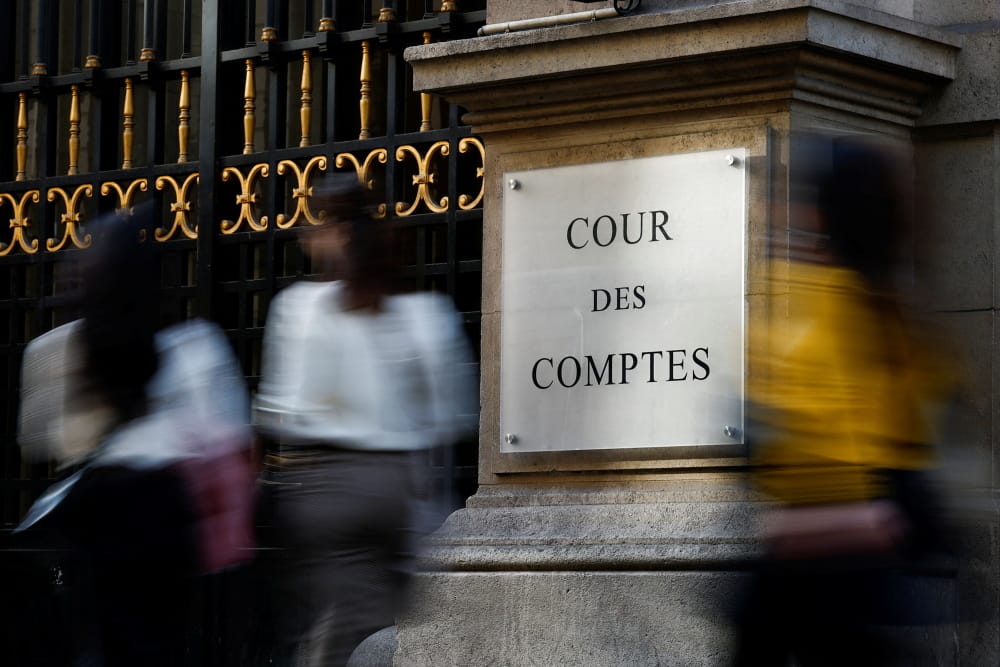
In its 2021–2023 OGP action plan, France’s Cour des Comptes (Audit Office, in English) created two online platforms to increase public participation. In the first two years, 29,000 people participated, and over four annual consultations, 3,000 topics in total were proposed for future audits. Members of the public also made over 1,000 reports on financial misconduct in 2023, 70 percent of which were actionable and led to judicial investigations.
Read more about what public participation reforms look like on the ground.
The public needs access to information to hold the government to account for its decisions. Right to information (RTI) laws enable members of the public to obtain this information, with many laws requiring governments to proactively publish information. Collecting and publishing data on how well agencies implement an RTI law can also help measure progress in protecting this right, aid learning and accountability, and prioritize reforms.
OGP countries have institutionalized the right to information: In 2011, 53 of the 73 OGP countries had RTI legal frameworks. Today, 72 of 73 OGP countries have RTI legal frameworks.
Concrete outcomes from RTI reforms: Nearly 50 countries have used OGP to make concrete improvements to RTI systems, such as by adopting new regulations, expanding the proactive disclosure of information, building digital RTI tools, or strengthening institutions. Twenty-eight countries alone have improved proactive disclosure practices, while 23 countries have created or strengthened online RTI platforms.
- Legal frameworks: 22 OGP countries have passed, amended, or otherwise strengthened RTI legislation or regulations through OGP. Eight of these countries have established their first-ever RTI legal frameworks through OGP, namely Costa Rica, Ghana, Kenya, Malawi, Paraguay, Philippines, Senegal, and Spain.
- Public involvement: In 19 OGP countries, there is concrete evidence that civil society directly impacted commitment results, such as by influencing the final text of legislation, shaping policies, or informing the design of digital tools.
- Oversight and accountability: 15 OGP countries improved RTI enforcement, oversight, or adjudication. This includes strengthening of independent RTI oversight bodies, such as information commissioners, and improved redress for information requesters, such as expanded appeals rights and channels.
Learn more
Iterative action framework: Brazil, Spain, and Kenya used their action plans as a long‑term roadmap from law‑making to implementation. In 2010, the right to information was enshrined in Kenya’s constitution, but it took another six years for the RTI act to be passed. Through successive OGP action plans, Kenya’s implementation of the RTI act became more feasible and strategic, leading to tangible results. Across six OGP action plans, Brazil moved from scattered transparency initiatives to a full RTI ecosystem.
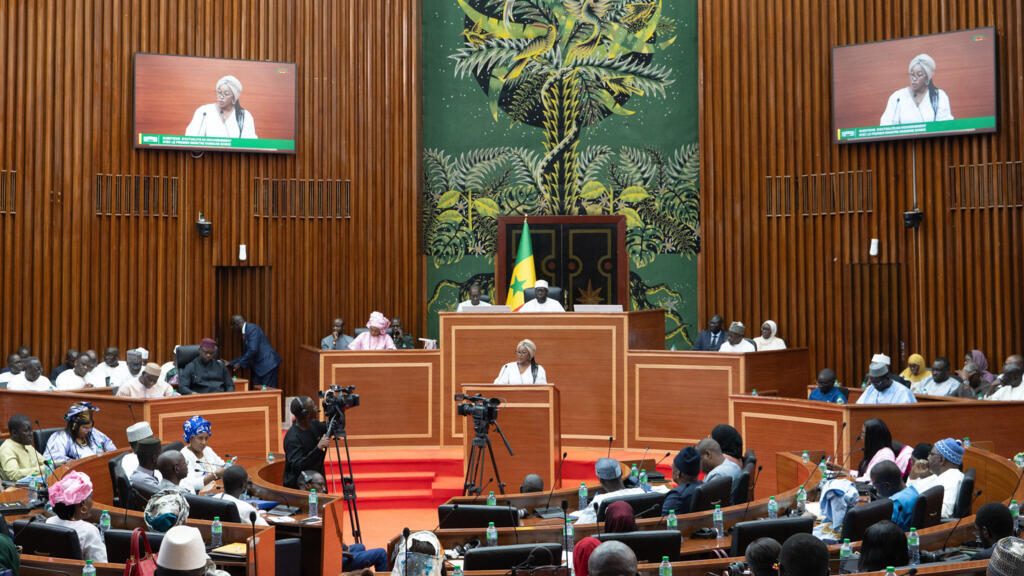
Global visibility: Senegal twice made adoption of an RTI law into an OGP commitment. The country then used the Open Gov Challenge and the OGP Africa and the Middle East Regional Meeting—where the government publicly pledged to pass the law—to catalyze final approval of the 2025 RTI Act and the creation of the National Commission for Access to Information. This major milestone complements its open data improvements, which helped Senegal jump to 33rd place globally in the 2024 Open Data Inventory.
Multi-stakeholder collaboration: Kenya’s RTI Cluster gave government and civil society a shared platform to drive implementation and marshal resources around common goals. Brazil’s third action plan ran into legal barriers on anonymous requests, but the Comptroller General and civil society worked around them through Fala.BR. In Spain, the OGP process created institutional spaces where civil society could propose RTI commitments and draft recommendations to reform the Transparency Law, even as deeper Transparency Law reform moved slowly. The advocacy and support from partners, including The Carter Center, Centre for Law and Democracy, Article 19, Access Info Europe, and the Open Data Charter, have been crucial to achieve these results.
From launching portals for requests in the Philippines and developing new standards in the Netherlands to monitoring compliance in Uruguay, OGP countries are implementing substantive reforms to advance the right to information. Senegal passed its first access-to-information law in 2025 after years of advocacy, pairing strong oversight with proactive publication rules to make transparency a real right, not just a promise. At the local level, Córdoba Province in Argentina used its action plan to draft a modern replacement for its 1999 law, widening coverage, strengthening appeals, and building shared oversight into implementation.
Read more about what right to information reforms look like on the ground.