










Making Access Easier: Responsible Right to Information Simplification
We seem to be in a moment of regulatory simplification. Can the right to information (RTI) benefit from simplification too?
This series explores inspiring reforms by OGP members around the world, from tackling corruption through open contracting reform to addressing the challenges posed by artificial intelligence and other emerging technologies.
Check out all of our Feature Stories here.
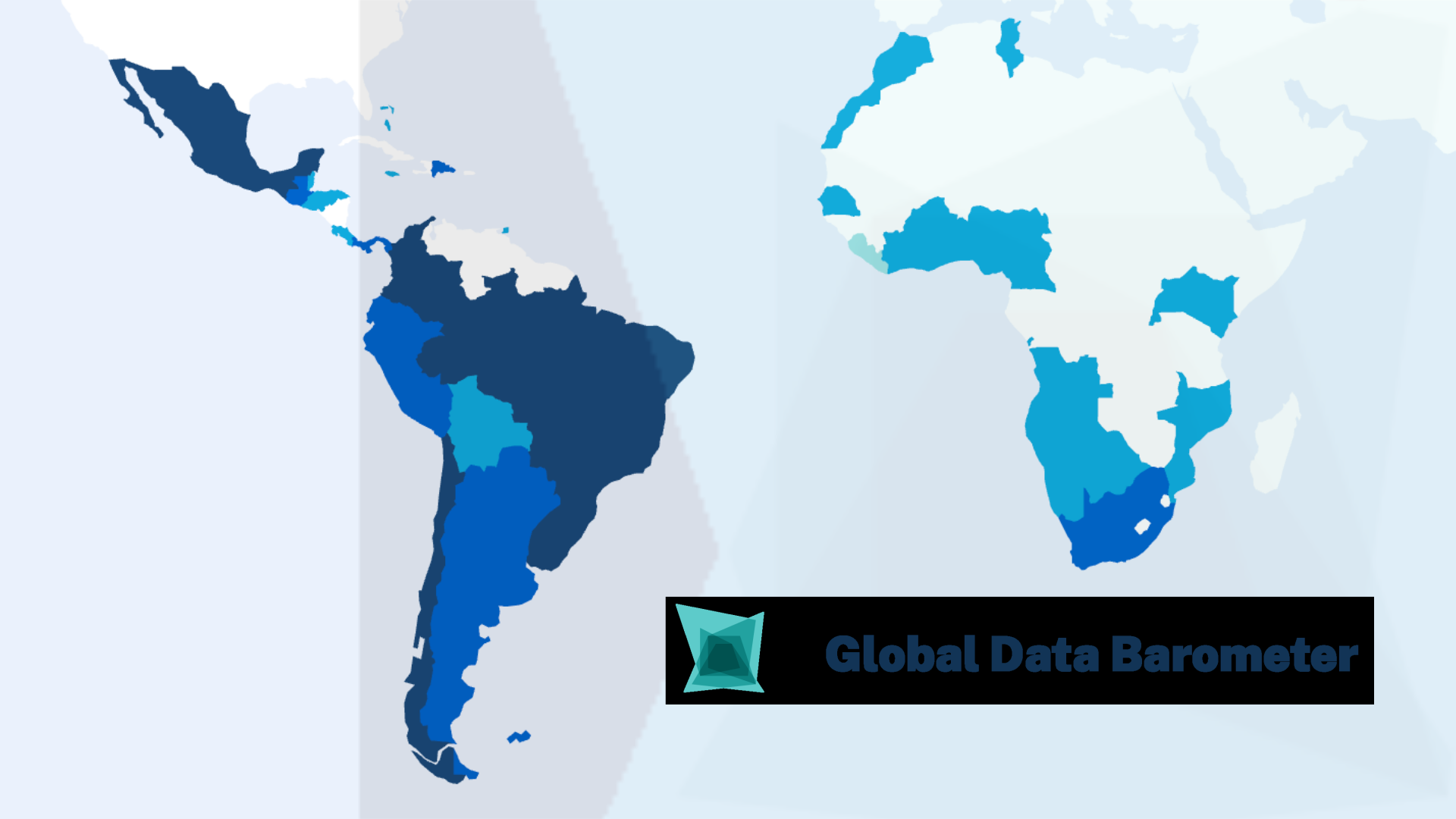
Data on political integrity is essential to understanding how public decisions are made. This blog explores the second edition of the Global Data Barometer, which helps reformers understand the gaps in collecting and publishing political integrity data.
Europe is strengthening its collective defence in response to escalating disinformation, sabotage, and cyberattacks. But military measures alone are insufficient. Our strongest defence lies in resilient democracies. Traditional warfare evokes imagery of trenches and air raids. But Europe’s contemporary reality…
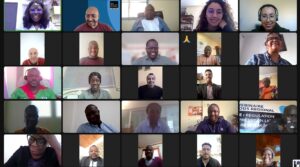
Across WhatsApp chats and Zoom screens, from Dakar to Rabat, a quiet movement is threading its way through Francophone Africa. It’s not loud, but it’s determined: a growing network of civil society actors working to reshape how governance is done openly, inclusively, and aligned with local realities.
In the past five years, the use of algorithms by governments has surged, enhancing service delivery. OGP is well-positioned to act as a space for conversations that cut deeper than the buzzwords.
In this blog, John Maritim, Director of Economic Planning and Budgeting and the OGP Point of Contact for Elgeyo-Marakwet County in Kenya, explains the risks posed by political transitions and provides concrete strategies to weather these changes.
A review about some of the emerging trends in local open government reforms from all 25 local action plans submitted between April 2023 and January 2025.
In the decades-long discussion of the value of participatory and deliberative democracy, there have regularly been such criticisms of processes not being adequately empowered or connected to decision-making. This blog seeks to explore what a mainstreaming approach to public participation might mean.
The UN Global Digital Compact commits governments to making the digital space safe, inclusive, equitable, socially focused, and secure. This blog takes a deeper look at what’s inside the Compact and how it aligns with the work OGP members are doing.
In this “year of elections,” more international solidarity is required to ensure information integrity. This blog focuses on five recommendations to advance reform on this topic.
Launched in 2019, the Beneficial Ownership Leadership Group (or the Leadership Group) set out to advance global policy toward open beneficial ownership (BO) data, and achieve concrete progress by 2023. This summary examines the group's achievements, lessons learned by Open Ownership and the Open Government Partnership from co-convening the group, and future directions to advance BO reform.
As public servants, disinformation and the degradation of public trust have a palpable impact on our ability to effectively serve the public. To address this, the Government of Canada developed a guidebook to provide Canadian federal public servants with an understanding of the threat disinformation presents, as well as to offer a consistent approach to navigating this growing threat.
Disinformation, online gender-based violence (GBV), and hate speech greatly impact online civic space and democratic processes. Governments should take steps to promote healthy and safe information ecosystems online while also protecting the exercise of online civic freedoms.
We seem to be in a moment of regulatory simplification. Can the right to information (RTI) benefit from simplification too?
Click here for more information about the Open Government Partnership's terms of use.
Terms & Conditions Close