






Critical Juncture: When Shared Goals Are Not Enough
The new institutions governing critical minerals are being built without the people they affect.
This series explores inspiring reforms by OGP members around the world, from tackling corruption through open contracting reform to addressing the challenges posed by artificial intelligence and other emerging technologies.
Check out all of our Feature Stories here.
The UN Global Digital Compact commits governments to making the digital space safe, inclusive, equitable, socially focused, and secure. This blog takes a deeper look at what’s inside the Compact and how it aligns with the work OGP members are doing.
In this “year of elections,” more international solidarity is required to ensure information integrity. This blog focuses on five recommendations to advance reform on this topic.
Launched in 2019, the Beneficial Ownership Leadership Group (or the Leadership Group) set out to advance global policy toward open beneficial ownership (BO) data, and achieve concrete progress by 2023. This summary examines the group's achievements, lessons learned by Open Ownership and the Open Government Partnership from co-convening the group, and future directions to advance BO reform.
As public servants, disinformation and the degradation of public trust have a palpable impact on our ability to effectively serve the public. To address this, the Government of Canada developed a guidebook to provide Canadian federal public servants with an understanding of the threat disinformation presents, as well as to offer a consistent approach to navigating this growing threat.
Disinformation, online gender-based violence (GBV), and hate speech greatly impact online civic space and democratic processes. Governments should take steps to promote healthy and safe information ecosystems online while also protecting the exercise of online civic freedoms.
The right to seek and share information is a fundamental element of free expression and a core component of the freedom of association and assembly. When digital identification systems make it harder to seek information or increase the threat of surveillance and harassment, they impede these fundamental freedoms.
Access to an open and free internet is integral to individuals’ and organizations’ ability to exercise fundamental freedoms online, and to benefit from, and contribute to, digital open government initiatives.
People Powered has developed resources to help governments and civil society engage people online.
2024 has been dubbed the “year of elections”, with over four billion people expected to vote across more than 60 elections. This should be a cause for democratic celebration, but instead much of the attention is focused on the specter of democratic vulnerability and decline.
A core tenet of the OGP model is that regular feedback leads to more effective policies. For this reason, over the past two years, we (the OGP Support Unit) have continued to survey our civil society partners to learn how the OGP process is working (see past results here). Below are four takeaways from the survey results, including how they relate to the new OGP strategy.
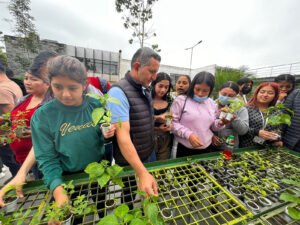
Read how the 2021 OGP Local Accelerator Awards, supported civil society organizations and local governments in collaboration to carry out reforms and deliver public services.
Introducing the OGP Data Dashboard - a powerful tool for unlocking evidence and examples in data.
The new institutions governing critical minerals are being built without the people they affect.
Click here for more information about the Open Government Partnership's terms of use.
Terms & Conditions Close