




Tableau de bord des données
Accédez aux données sur les engagements OGP. Filtrez les engagements par emplacement, domaine politique et année. Recherche par mots-clés.

Garantir l’accès universel à une énergie durable, fiable et abordable est essentiel à tous les aspects de la prospérité. Renforcer la surveillance publique et la transparence dans le secteur de l’énergie peut contribuer à garantir une transition verte plus juste et à améliorer la santé humaine tout en mettant fin aux contributions à la corruption et à l’autoritarisme.
Ce chapitre du Open Gov Guide présente quelques domaines clés de la transition vers une énergie propre qui bénéficieront d’une approche de gouvernement ouvert. Il s’inscrit dans un ensemble plus vaste de réformes, notamment démocratie environnementale, données climatiques ouvertes et financement climatique, chacun décrit dans son chapitre respectif.
Avec les OGP Stratégie 2023-2028, les membres de l'OGP sont prêts à travailler à un certain nombre de réformes thématiques ambitieuses à travers le Défi du gouvernement ouvert. Cette partie du Open Gov Guide aborde le climat et l’environnement.
Invite de défi : Renforcer la transparence, la participation et la collaboration dans l'élaboration et la mise en œuvre des politiques climatiques.
Les actions et réformes qui s’inscrivent dans le cadre de ce domaine de défi sont :
Définitions de termes clés tels que Ententes sur les avantages communautaires, combustibles fossiles et contrat d'achat d'électricité.
Étant donné que les travaux sur bon nombre de ces questions sont nouveaux, les approches de gouvernement ouvert disposent d’une base de données limitée. Les conséquences du secret dans le secteur de l’énergie sont cependant claires.
Les recommandations ci-dessous représentent des réformes que les gouvernements nationaux et locaux, les représentants des organisations de la société civile et d'autres peuvent envisager pour leurs plans d'action et le Défi du gouvernement ouvert. Les réformes sont classées selon les principales valeurs de l'OGP : transparence, participation civique et responsabilité publique. Les réformes doivent être adaptées au contexte national, et impliquer et coordonner avec d’autres niveaux et branches du gouvernement.
Les réformes dans tous les domaines politiques sont également marquées par le degré estimé de difficulté de mise en œuvre. Même si les progrès ne sont souvent pas linéaires, les recommandations ont été catégorisées à l’aide de ces étiquettes pour donner au lecteur une idée de la manière dont différentes réformes peuvent fonctionner ensemble pour accroître l’ambition des approches de gouvernement ouvert.
Transparence: La transparence permet aux citoyens d'exercer leurs droits, de demander des comptes au gouvernement et de participer aux processus décisionnels. Des exemples d'activités pertinentes incluent la publication proactive ou réactive d'informations détenues par le gouvernement, les cadres juridiques ou institutionnels visant à renforcer le droit d'accès à l'information et la divulgation d'informations à l'aide de normes de données ouvertes.
Participation civique: Lorsque les gens sont impliqués, les gouvernements et les institutions publiques sont plus réactifs, innovants et efficaces. Des exemples d'initiatives pertinentes comprennent des processus et des mécanismes nouveaux ou améliorés permettant au public de contribuer aux décisions, des mécanismes participatifs pour impliquer les groupes sous-représentés dans l'élaboration des politiques et un environnement juridique garantissant les droits civils et politiques.
Responsabilité publique: La responsabilité publique se produit lorsque les institutions publiques doivent justifier leurs actions, agir en fonction des exigences et des critiques et assumer la responsabilité de leur non-respect des lois ou des engagements. Il est important de noter que la responsabilité publique signifie que les membres du public peuvent également accéder aux mécanismes de responsabilisation et les déclencher. Parmi les exemples d’activités pertinentes figurent les audits citoyens des performances, les mécanismes ou institutions nouveaux ou améliorés qui répondent aux processus d’appel lancés par les citoyens et l’amélioration de l’accès à la justice.
Inclusion: L’inclusion est fondamentale pour parvenir à des politiques plus équitables, représentatives et responsables qui servent véritablement tous les peuples. Cela implique d’accroître la voix, l’action et l’influence des groupes historiquement discriminés ou sous-représentés. Selon le contexte, les groupes traditionnellement sous-représentés peuvent être victimes de discrimination fondée sur le sexe, l'identité sexuelle, la race, l'origine ethnique, l'âge, la géographie, les capacités différentes, le statut juridique ou socio-économique.
Fondamentale: Cette balise est utilisée pour les réformes qui constituent les éléments essentiels d’un domaine politique. « Fondamental » ne signifie pas une faible ambition ou un faible impact. Ces recommandations établissent souvent des cadres juridiques et des structures institutionnelles de base.
Intermédiaire: Cette balise est utilisée pour les réformes complexes et qui impliquent souvent une coordination et une sensibilisation entre les branches, les institutions et les niveaux de gouvernement, avec le public ou entre les pays.
Avancée: Cette balise est utilisée pour les réformes qui comblent des lacunes importantes afin de rendre le travail existant plus efficace et plus percutant. Plus précisément, les réformes « avancées » sont particulièrement ambitieuses, innovantes ou comblent des lacunes importantes pour rendre le travail existant plus efficace, plus percutant ou plus durable. Ils sont souvent appliqués dans des environnements matures où ils cherchent à institutionnaliser une bonne pratique qui a déjà donné des résultats.
Exécutif: Le pouvoir exécutif du gouvernement est responsable de la conception, de la mise en œuvre et de l'application des lois, des politiques et des initiatives. Il est généralement dirigé par le chef de l'État ou du gouvernement, tel qu'un président ou un premier ministre, ainsi que par les membres nommés de son cabinet. Les fonctions du pouvoir exécutif comprennent également la supervision des opérations quotidiennes du gouvernement, la gestion des affaires étrangères et la direction des forces armées du pays. Dans les systèmes démocratiques, le pouvoir exécutif est responsable devant le pouvoir législatif et l'électorat, ses pouvoirs et limites étant définis dans la constitution ou le cadre juridique du pays concerné.
Législatif: Le pouvoir législatif du gouvernement est chargé d'élaborer des lois et des règlements et de superviser le fonctionnement du gouvernement. Il se compose généralement d'un corps de représentants élus, tel qu'un parlement, un congrès ou une assemblée, chargé de proposer, débattre, amender et finalement adopter une législation. Le pouvoir législatif joue un rôle crucial dans la représentation des intérêts du peuple, car ses membres sont élus par le public. En plus de légiférer, cette branche détient souvent le pouvoir de lever des impôts, d'allouer des fonds et de mener certaines enquêtes sur des questions d'intérêt public. La structure et les pouvoirs du pouvoir législatif sont généralement définis dans la constitution ou le cadre juridique d'un pays, et ils servent de contrôle sur les pouvoirs exécutif et judiciaire pour garantir un système de freins et contrepoids au sein d'un État.
Les minéraux critiques (tels que le cobalt, le lithium, le cuivre et le nickel) sont des minéraux non combustibles ou des matières minérales essentielles à l'approvisionnement en énergie verte. La production croissante de systèmes électriques et de batteries nécessite de nouvelles ressources pour remplacer les combustibles fossiles à forte intensité de GES. En conséquence, l’exploitation minière des minéraux critiques devrait augmenter de 500 % d’ici 2050. Le nouveau système aura des avantages environnementaux mondiaux évidents par rapport à l’économie existante, dépendante des combustibles fossiles. Cependant, sans garanties appropriées, il sera exposé à la corruption, aux abus et à des dommages environnementaux irréversibles. Ces minéraux critiques ont souvent des chaînes d'approvisionnement vulnérables aux perturbations, et de nombreux minéraux critiques, sinon la plupart, sont en zones sujettes à la corruption. Même si une minorité de pays du PGO sont des producteurs de minéraux essentiels, tous seront de grands consommateurs de minéraux essentiels au cours des prochaines décennies, si ce n’est déjà fait. Les réformes du gouvernement ouvert décrites ci-dessus peuvent soutenir les garde-fous pour assurer l’exploitation minière et la consommation de minéraux critiques ne menacent pas la sécurité économique, environnementale et nationale
Les exemples suivants sont des engagements précédemment pris au sein ou au-delà de l'OGP qui démontrent des éléments des recommandations formulées ci-dessus. Bien que la transition énergétique soit un nouveau domaine de travail, les gouvernements du PGO prennent déjà des mesures pour mettre en œuvre des normes de comptabilité et de reporting qui incluent des informations tout au long de la chaîne d'approvisionnement des industries extractives. À l'avenir, les régulateurs financiers des pays OGP devront prendre des mesures pour garantir que les réglementations respectent les normes de l'International Sustainability Standards Board en matière de Divulgations liées au climat et que le secteur financier se conforme à ces exigences de divulgation.
 RÉPUBLIQUE DOMINICAINE Calculateur d'empreinte carbone pour les marchés publics : engagé
à la création d'un calculateur d'empreinte carbone pour quantifier l'impact environnemental des projets de marchés publics, qui sera accessible au public et jouera un rôle dans les futures décisions contractuelles à moyen terme.
RÉPUBLIQUE DOMINICAINE Calculateur d'empreinte carbone pour les marchés publics : engagé
à la création d'un calculateur d'empreinte carbone pour quantifier l'impact environnemental des projets de marchés publics, qui sera accessible au public et jouera un rôle dans les futures décisions contractuelles à moyen terme. FRANCE Consultations publiques pour la stratégie énergétique et climatique : engagé
à impliquer le public dans la conception de la nouvelle stratégie énergétique et climatique, depuis la sélection des grands axes de la stratégie jusqu'à l'avis du projet de loi avant sa finalisation.
FRANCE Consultations publiques pour la stratégie énergétique et climatique : engagé
à impliquer le public dans la conception de la nouvelle stratégie énergétique et climatique, depuis la sélection des grands axes de la stratégie jusqu'à l'avis du projet de loi avant sa finalisation. GHANA Divulgation des contrats pétroliers et des accords d’achat d’électricité : Publié la plupart de ses PPA pour renégocier son secteur de l'électricité surproductif et sous-livrant et engagé modifier la loi sur la Commission de réglementation des services publics afin de promouvoir la transparence. Le pays a lancé un registre pétrolier en 2018 qui publie des données sur les contrats pétroliers et gaziers, les modifications, les autorisations et les permis, ainsi qu'un registre PPA en 2023 qui publie des informations sur tous les contrats d'électricité actifs.
 MONGOLIE Loi visant à accroître la transparence dans les industries extractives : engagé
d’adopter une loi visant à créer une base de données publique centralisée d’informations sur les industries extractives, qui sera soumise par les gouvernements nationaux, étatiques et locaux, ainsi que par les entreprises privées et celles ayant un statut juridique mixte (comme les entreprises partiellement publiques).
MONGOLIE Loi visant à accroître la transparence dans les industries extractives : engagé
d’adopter une loi visant à créer une base de données publique centralisée d’informations sur les industries extractives, qui sera soumise par les gouvernements nationaux, étatiques et locaux, ainsi que par les entreprises privées et celles ayant un statut juridique mixte (comme les entreprises partiellement publiques). ECOSSE, ROYAUME-UNI Réseau multipartite sur la politique en matière de changement climatique : engagé
à la création d'un réseau multipartite pour accroître la transparence dans la communication des actions du gouvernement en matière de changement climatique (en particulier sur ses engagements de zéro émission nette) et pour soutenir les activités de co-création et de participation civique liées aux politiques écossaises en matière de changement climatique.
ECOSSE, ROYAUME-UNI Réseau multipartite sur la politique en matière de changement climatique : engagé
à la création d'un réseau multipartite pour accroître la transparence dans la communication des actions du gouvernement en matière de changement climatique (en particulier sur ses engagements de zéro émission nette) et pour soutenir les activités de co-création et de participation civique liées aux politiques écossaises en matière de changement climatique. URUGUAY Divulgation de données énergétiques ouvertes : Publié données énergétiques liées à la demande, à l'accès et à l'efficacité sur un site Web centralisé, ainsi qu'un enregistrement des fournisseurs d’énergie, ce qui a considérablement amélioré l’accès à l’information énergétique dans le pays.
 EREVAN, ARMÉNIE Plateforme de déclaration des émissions de GES : engagé
au développement d'une plateforme de « développement vert » pour accroître la transparence en rendant compte des émissions de gaz à effet de serre de la municipalité et des actions visant à accroître les économies grâce à des projets d'efficacité énergétique, dans le cadre d'engagements plus larges liés au climat.
EREVAN, ARMÉNIE Plateforme de déclaration des émissions de GES : engagé
au développement d'une plateforme de « développement vert » pour accroître la transparence en rendant compte des émissions de gaz à effet de serre de la municipalité et des actions visant à accroître les économies grâce à des projets d'efficacité énergétique, dans le cadre d'engagements plus larges liés au climat.
 GRÈCE ET BULGARIE Liberté d'information pour la transparence des PPA : Les acteurs de longue date de l'OGP, le Programme d'accès à l'information (AIP) Bulgarie, ont été travailler en Grèce pour obtenir informations sur les paiements par l'Opérateur du Système Électrique (ESO EAD) aux producteurs d'électricité. Avec Greenpeace Bulgarie, il y a travail similaire pour identifier où sont passés les paiements pour les centrales électriques non productrices.
 NIGERIA Des observateurs civiques formés à l’utilisation des données contractuelles ouvertes : Avec le soutien de l’Open Contracting Partnership, qualifié des observateurs civiques (tels que des journalistes et des organisations de la société civile) sur la manière d'utiliser les données contractuelles ouvertes pour surveiller 60 projets de marchés publics (y compris dans le domaine de l'énergie) d'une valeur de 120 millions de dollars américains au niveau infranational, dans trois États.
Les gouvernements locaux sont essentiels à une transition énergétique juste. Ils jouent un rôle clé dans les processus d’approvisionnement, de permis et de tarifs énergétiques, et veillent également à ce que les processus multipartites soient inclusifs pour toutes les communautés touchées et concernées. Dans de nombreux cas, les collectivités locales sont également propriétaires des infrastructures énergétiques et responsables de la distribution de l’énergie. Dans les endroits qui sont des sites d’extraction, de transit ou de traitement de minéraux critiques, ils peuvent jouer un rôle supplémentaire en supervisant la réglementation ou les litiges. Enfin, dans les endroits qui sont actuellement des sites de l’industrie des combustibles fossiles, ils peuvent avoir un rôle particulier à jouer dans la supervision d’une transition équitable vers l’abandon des modèles de revenus basés sur les combustibles fossiles. Cela peut impliquer de veiller à ce que les programmes d’emploi et de reconversion soient administrés de manière équitable et sans corruption. Il est également important pour les gouvernements locaux d’élaborer et de mettre en œuvre des stratégies de diversification économique, compte tenu notamment de la nécessité de trouver d’autres sources de revenus gouvernementaux pour remplacer les revenus provenant des combustibles fossiles. Par exemple, les gouvernements provinciaux et municipaux de l'Afrique du SudLes régions minières du pays entreprennent de tels efforts de diversification.
Les actions des gouvernements locaux ont également des implications cruciales pour le sexe, par exemple en garantissant un emploi juste et digne, en minimisant les impacts sexospécifiques, en impliquant les femmes dans la planification des transitions futures et en s'attaquant à l'exclusion historique des femmes dans le secteur de l'énergie. L'ITIE a développé de nombreuses études de cas sur la manière d'assurer une transition énergétique inclusive en termes de genre, ce qui pourrait servir d'exemple pour les membres de l'OGP.
 Albanie
 Argentine
 Australie
 Brésil
 Bulgarie
 Burkina Faso
 Canada
 Chili
Chili Colombie
 Costa Rica
 Côte D'ivoire
 Croatie
 République Dominicaine
 Équateur
 France
 Géorgie (Retiré)
 Allemagne
 Grèce
Grèce Guatemala
 Honduras
 Indonésie
 Irlande
 Italie
 Jamaica
 Jordan
 Kenya
Kenya Malawi
 Malta
Malta Mexique
 Mongolie
 Monténégro
 Morocco
 Nigéria
 Macédoine du Nord
 Panama
 Paraguay
 Pérou
Pérou Philippines
 Portugal Quintana Roo, Mexique
 République de Corée
 République de Moldavie
 Roumanie
 Sénégal
 Sierra Leone
 l'Afrique du Sud
 Espagne
 Tunisie
 Ukraine
 Uruguay
Cette liste reflète les membres ayant des engagements dans le domaine politique « Environnement et Climat » de la Tableau de bord des données.
Les organisations suivantes ont récemment travaillé sur cette question dans le contexte de l'OGP au niveau national ou international. Ils peuvent avoir des idées supplémentaires sur le sujet. Veuillez noter que cette liste n'est pas exhaustive. Si vous êtes intéressé par des initiatives au niveau national, veuillez contacter [email protected].
Le Stratégie OGP 2023-2028 énonce le Défi du gouvernement ouvert et vise à fournir des références claires en matière de performance grâce à des données fiables.
Même si les critères de référence pour chaque pays et Open Gov Guide les recommandations ne sont pas encore intégrées, pour ce chapitre, les personnes intéressées peuvent s’appuyer sur les ensembles de données suivants :
Bien que la liste ci-dessous ne soit pas exhaustive, elle vise à fournir une série de recommandations, de normes et d’analyses pour guider la réforme dans ce domaine politique.
Accédez aux données sur les engagements OGP. Filtrez les engagements par emplacement, domaine politique et année. Recherche par mots-clés.

Comment les données ouvertes peuvent-elles aider à faire la lumière sur la corruption politique et rendre les systèmes politiques plus justes et plus inclusifs ? Comment pouvons-nous lier davantage les personnes et les données pour créer une chaîne de responsabilité ? Découvrez notre nouveau rapport.
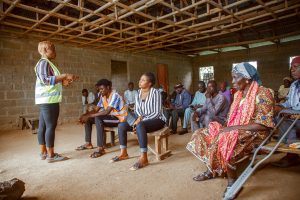
Les preuves continuent de montrer que le gouvernement ouvert affecte la vie des gens. Mais il y a encore des sceptiques qui ne sont pas conscients de tous les avantages associés à cette approche. Utilisez ce guide pour les convaincre d'adopter une approche de gouvernement ouvert lors de la mise en œuvre des réformes.