How Participatory Budgeting is Improving Citizen Trust in Armenia
In Armenia, participatory budgeting (PB) is reshaping the relationship between citizens and local governments in the wake of COVID-19 and recent armed conflict. Beyond transparencyAccording to OGP’s Articles of Governance, transparency occurs when “government-held information (including on activities and decisions) is open, comprehensive, timely, freely available to the public,... More, PB has evolved into a catalyst for trust, inclusionOGP participating governments are working to create governments that truly serve all people. Commitments in this area may address persons with disabilities, women and girls, lesbian, gay, bisexual, tr... More, and shared ownership of public life.
Traditionally, local-level budgeting in Armenia has followed a top-down approach, with financial priorities set by local self-government bodies and minimal citizen involvement. Consequently, fiscal decisions were not reflective of the needs or priorities of local communities. The lack of transparency and public consultation contributed to low levels of trust in local authorities and a sense of disconnection between citizens and decision-makers.
Since 2011, Armenia has shown its commitment to transparency, accountability, and participation through the Open Government Partnership (OGP). PB was introduced in the latest OGP action plan (2022–2024) and has since been implemented across several municipalities, with further rollout now underway. The spread of PB aims to give residents across Armenia the power to shape their local environments.
Davit Khudatyan, Minister of Territorial Administration and Infrastructure of Armenia, noted that “PB is an excellent tool for developing community infrastructure while also encouraging residents to take part in the development of their community.”
From Pilots to National Momentum
The journey began in 2023 with four pilot municipalities—Abovyan, Armavir, Ashtarak, and Jermuk. The government tested a new way of working, with residents proposing and voting on projects funded by local budgets. Proposals started to arrive, often from residents who had never participated in municipal planning, from sports fields and playgrounds to a clay art centre for children and open-air film screenings.
One success story stems from an early pilot proposal in Abovyan Municipality that led to the creation of a road-safety playground, which earned the second-highest number of votes and was selected alongside the top project. Combining play with educationAccountability within the public education system is key to improving outcomes and attainment, and accountability is nearly impossible without transparent policies and opportunities for participation ..., the miniature traffic zone helps children learn road rules in a hands-on way. The initiative highlights how PB is enabling citizens to champion practical, community-driven ideas based on their needs.
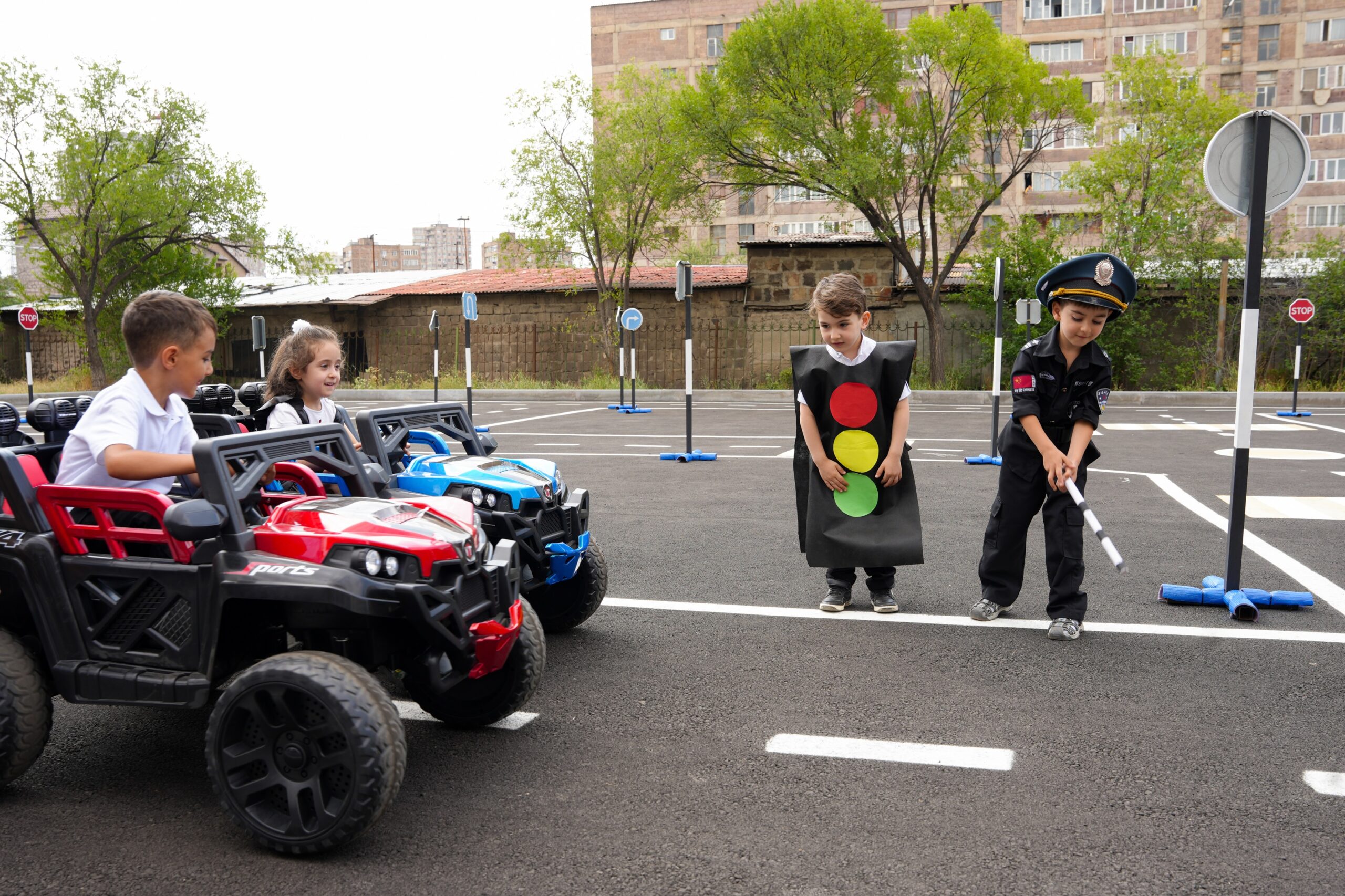
The road-safety playground established in Abovyan municipality through PB․
While PB started as a modest pilot, it has morphed into a national movement that is transforming the way citizens and institutions work together. Building on this success, in 2024, the government allocated AMD 500 million to co-finance and support pilot projects and launch a new grant scheme encouraging PB across Armenia. The effect became contagious, as other communities witnessed the effectiveness of PB initiatives. In 2024, 17 additional municipalities voluntarily joined the initiative, allocating funds and launching their first PB cycles. To support its expansion, the government doubled funding in 2025 to AMD 1 billion AMD, enabling 21 municipalities from the 2024 cycle to implement selected projects, while others began PB processes independently.
The expansion of PB reflects a deep shift in mindset across both Armenia’s local self-governance landscape and amongst the public. As Deputy Minister of Finance Vahan Sirunyan said, “To promote citizen engagement in budgeting processes, a special mechanism has been established through which subsidies in the form of state co-financing are provided to municipalities implementing PB processes and projects. This mechanism allows public resources to be directed specifically toward the areas proposed and selected by the citizens themselves.”
A Surge in Participation
PB demonstrates that when people directly witness the impact of their involvement through project implementation, they become more engaged and invested in their communities’ well-being. Simultaneously, local authorities recognise the benefits of collaboration, as PB promotes transparency, reduces conflict over priorities, and enhances institutional legitimacy.
A clear measure of success is the dramatic rise in citizen turnout. In 2023, only a few dozen residents participated in the process. By 2025, the number has skyrocketed. For example, in Tsagkhahovit municipality, over 5,000 residents voted, representing 62 percent of the eligible population. Areni followed closely with 53 percent turnout. Thousands more engaged in municipalities such as Talin, Araks, Akhuryan, Masis, and Khoy.
Participation surged as residents witnessed the success of PB initiatives and growing engagement within their own and neighbouring communities. This visible impact boosted public trust and empowered residents to take a more active role in community decision-making. Additionally, awareness-raising efforts, carried out in partnership with GIZ and civil society organisations, further strengthened participation.
“Participatory budgeting isn’t just about solving a problem—it is about building a community: the strength of our people and how powerful we become when each of our small voices come together for a common purpose․ Even though my project didn’t win, it sparked something deeper, a shared sense of trust, unity, and the belief that real change starts from within.” says Maria Karapetyan, a 21-year-old resident of Khoy municipality where an outdoor sports area project won.
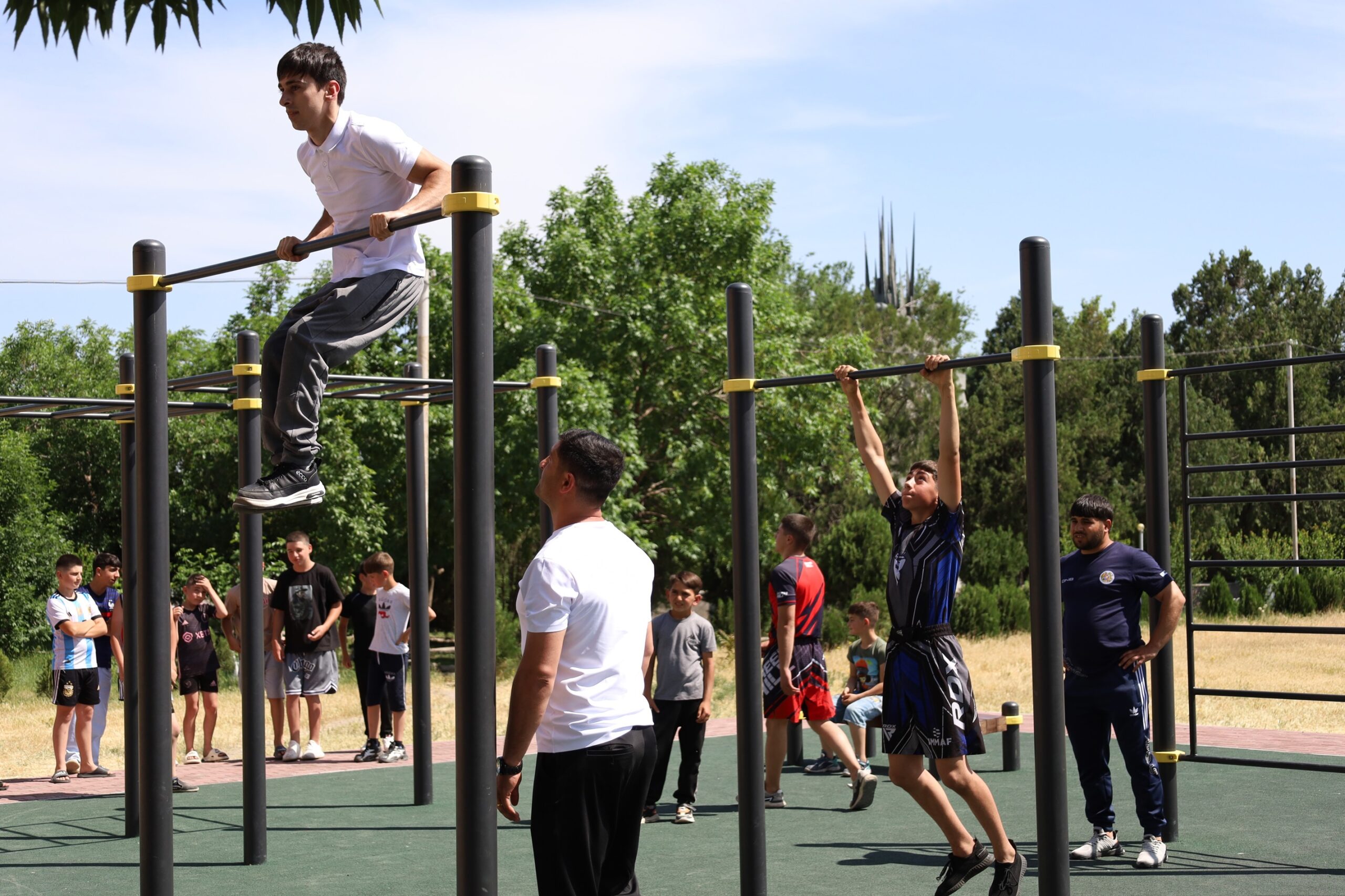
The open air sports area established in Khoy municipality through PB in 2025․
Making Participation Work
Beyond citizen participationAccording to OGP’s Articles of Governance, citizen participation occurs when “governments seek to mobilize citizens to engage in public debate, provide input, and make contributions that lead to more ... More, PB is reshaping the policy-making process. Government institutions, municipalities, and civil society are now co-designing the PB framework through collaboration.
As Lilia Afrikyan, Head of the Department of Participatory and Open Governance Issues at the Office of the Prime Minister of Armenia, notes, “Democracy works best when people shape policies. Inclusive planning and participatory budgeting bridge the gap between leaders and communities, creating trust and shared solutions.”
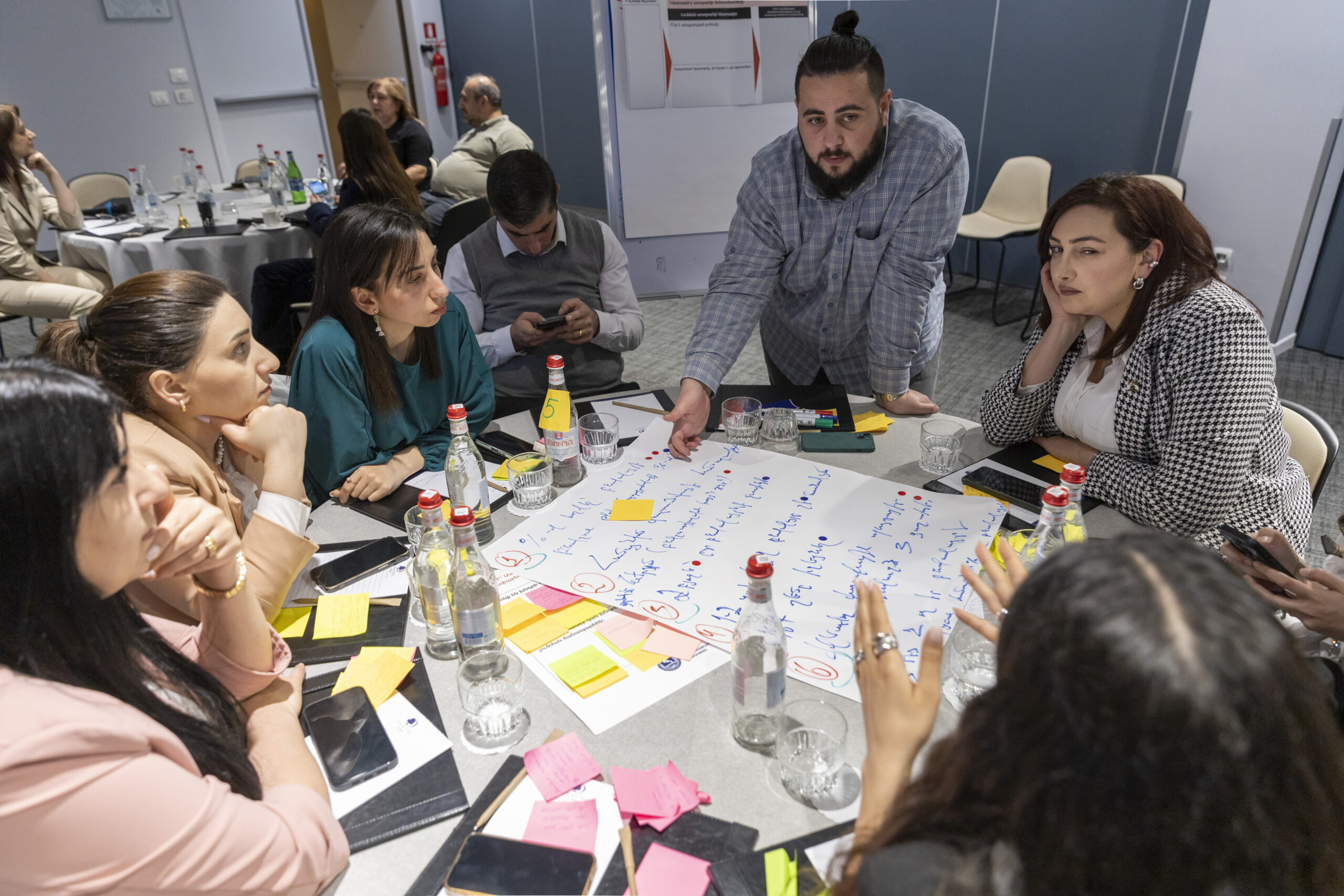
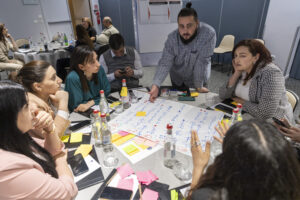
PB policy design workshop with participation of around 60 representatives from the Armenian Ministry of Territorial Administration and Infrastructure, Ministry of Finance, municipalities, and civil society․
What sets Armenia’s PB apart is a strong foundation of political commitmentOGP commitments are promises for reform co-created by governments and civil society and submitted as part of an action plan. Commitments typically include a description of the problem, concrete action..., local ownership, and the synergy between national and local actors. Backed by strong political will and state co-financing, the initiative has seen remarkable growth within just two years. Municipalities are not treating PB as a one-time project. Instead, they are integrating it into their core governance and citizen engagement practices.
Since the adoption of the OGP action planAction plans are at the core of a government’s participation in OGP. They are the product of a co-creation process in which government and civil society jointly develop commitments to open government ... in 2022, Deutsche Gesellschaft für Internationale Zusammenarbeit (GIZ) GmbH has been supporting the introduction of PB in the country through the Good Governance for Local Development South Caucasus project financed by the German and Swiss Governments.
No comments yet
Related Content
 Case Studies
 Four Steps Towards Fiscal Openness
The OGP Nordic+ group met in April 2024 and again during Open Gov Week to discuss how to advance fiscal transparency and enhance participation in fiscal policy.
 Case Studies
 How Participatory Budgeting Shapes Communities in Lithuania
Learn how Lithuania is using participatory budgeting to actively include citizens in decision-making on how to spend public funds.
 Case Studies
 Following Kaduna’s Footsteps: How Adamawa Makes its Budget More Participatory
Learn how Adamawa (Nigeria) created a space where citizens could freely engage and voice what they want included in the state budget.
Leave a Reply