
Open Gov Week 2026: 15 Years of the Open Government Partnership

Fifteen years ago, OGP launched with a simple but radical premise: government should serve the people, not the other way around. Since then, it has grown into the foremost global forum for advancing transparencyAccording to OGP’s Articles of Governance, transparency occurs when “government-held information (including on activities and decisions) is open, comprehensive, timely, freely available to the public,... More, accountability, and public participationGiving citizens opportunities to provide input into government decision-making leads to more effective governance, improved public service delivery, and more equitable outcomes. Technical specificatio....
As we celebrate 15 years of OGP, our work is more urgent than ever. In an era of democratic regression and geopolitical fragmentation, this year’s Open Gov Week showcased the commitmentOGP commitments are promises for reform co-created by governments and civil society and submitted as part of an action plan. Commitments typically include a description of the problem, concrete action... and dedication of global reformers in this moment. From May 18–22, 2026, 1500+ events took place across 40+ countries.
Here are a few highlights from Open Gov Week 2026 by region and level of government.
CONTENTS
Americas
Africa and the Middle East
Asia and the Pacific
Eastern Partnership
Europe
OGP Local
Americas
OGP co-chair Brazil hosted a national seminar in Brasília through its Office of the Comptroller General, bringing together reformers from government, civil society and academia to discuss social participation, open dataBy opening up data and making it sharable and reusable, governments can enable informed debate, better decision making, and the development of innovative new services. Technical specifications: Polici..., access to information, local open government, and the role of transparency in improving people’s lives. The week also marked the 14th anniversary of Brazil’s Access to Information Law, with young leaders closing out a fellowship on open government and climate change by projecting projects linking open data, participation and climate action.
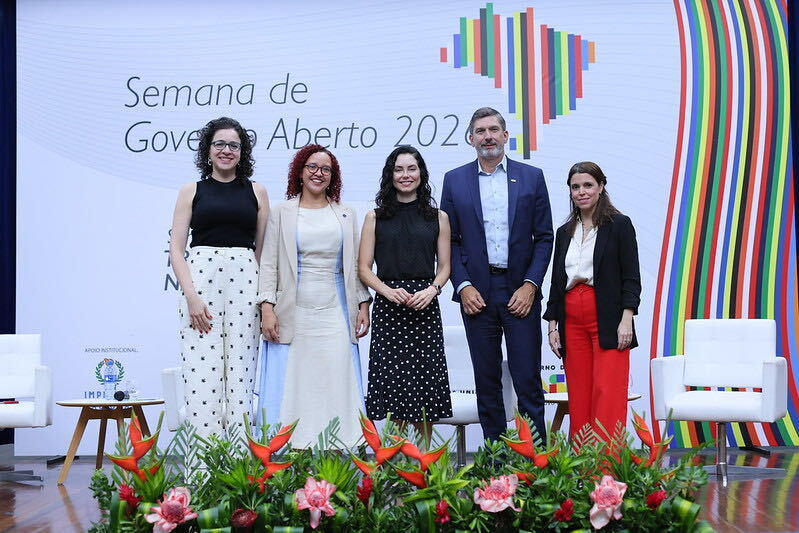
“As we reach the final year of this administration, we have a consolidated organizational structure capable of driving the continuous evolution of transparency policy, always building on previous progress to shape the future of access to information.”
– Minister Vinicius Marques de Carvalho
In Costa Rica, President Laura Fernández Delgado and Congresswoman Yara Jiménez, President of the Legislative Assembly, reaffirmed the country’s commitment to building a more transparent, collaborative, inclusive, and citizen-centered state through open government and open parliamentEnsuring access to legislative information and creating mechanisms for public participation are critical to building an open, trusting relationship with citizens. Technical specifications: Commitments... More. As democracies face growing challenges, Costa Rica’s leadership reminds us that openness, innovation, and public trust, with an Open State approach, must remain at the center of governance.
“Costa Rica must continue working toward the development of an interconnected data ecosystem across all public institutions, thereby facilitating access to public information, transparency, accountability, and stronger citizen participationAccording to OGP’s Articles of Governance, citizen participation occurs when “governments seek to mobilize citizens to engage in public debate, provide input, and make contributions that lead to more ... More.”
– President Laura Fernández
“The Legislative Branch will continue strengthening public consultations as a key mechanism for effective citizen participation, and recognized the invaluable contribution of civil society in bringing community-based knowledge, dialogue, and consensus-building into public decision-making processes.”
– Congresswoman Yara Jiménez, President of the Legislative Assembly
Colombia hosted a regional webinar, bringing together OGP point of contacts and representatives from Brazil, Panama, Guatemala,and the Dominican Republic alongside ECLAC and the Central American Bank of Economic Integration (BCIE) , to explore how open government processes can move beyond action plan co-creation toward concrete, sustainable implementation. Discussions covered multi-stakeholder collaboration, trust-building between citizens and institutions, and tools for transparency and accountability.The region also convened an Ibero-American webinar on public integrity in the age of AI, convening regional experts from the International University of Rioja (UNIR), BCIE, and the Latin American Center of Administration for Development (CLAD) to reflect on ethics, integrity, digital transformationGovernments are working to increase access to and quality of government services, improve transparency, and create opportunities for participation by using information and communications technologies.... More, and the future of open and accountable public institutions.
Several countries used Open Gov Week to advance OGP process and action plans. In Ecuador, a high-level dialogue in Quito marked the launch of the country’s third action plan. OGP also participated in an academic conference organized by the National University of Loja, which promoted exchanges between academics and practitioners. In Guatemala, the Open Government Multi-Stakeholder Forum meeting convened to review the country’s seventh action planAction plans are at the core of a government’s participation in OGP. They are the product of a co-creation process in which government and civil society jointly develop commitments to open government ..., reaffirming institutional commitment, coordination, and citizen participation as key elements for advancing transparency and delivering concrete results. In Uruguay, members of the multi-stakeholder forumRegular dialogue between government and civil society is a core element of OGP participation. It builds trust, promotes joint problem-solving, and empowers civil society to influence the design, imple... and commitment implementers gathered to report on action plan implementation. Finally, in Peru, the government hosted a series of events led by the Secretary General of the Presidency of the Council of Ministries and introduced new members of its multi-stakeholder forum.
We also saw events related to justiceTo address barriers that prevent citizens from having their justice needs met, OGP participating governments are working to expand transparency, accountability, and inclusion into all systems of justi..., one of OGP’s key policy areas. In Panama, a panel organized by the judicial branch explored how open justiceAn open, independent, and impartial justice system serves as a foundation for better access to justice by fulfilling all people’s civil liberties and allowing individuals to more effectively protect t..., transparency, and citizen-centred approaches can strengthen trust, accessibility, and accountability in justice systems. The OGP Coalition on Justice also hosted a seminar, organised by the Economic Commission for Latin America and the Ministry of the General Secretariat of the Presidency of Chile. The session brought together a range of actors to highlight progress and challenges in the justice sector regarding institutional openness, as well as structural and cultural challenges.
Africa and the Middle East
Benin’s celebrations coincided with a rare moment, as the former ministerial lead for OGP has become President of the Republic and the former OGP Point of Contact now serves as the minister responsible for OGP. This continuity between presidential leadership and institutional memory has created a powerful opportunity for open government reforms, with the new administration considering a major national dialogue on participation and openness.
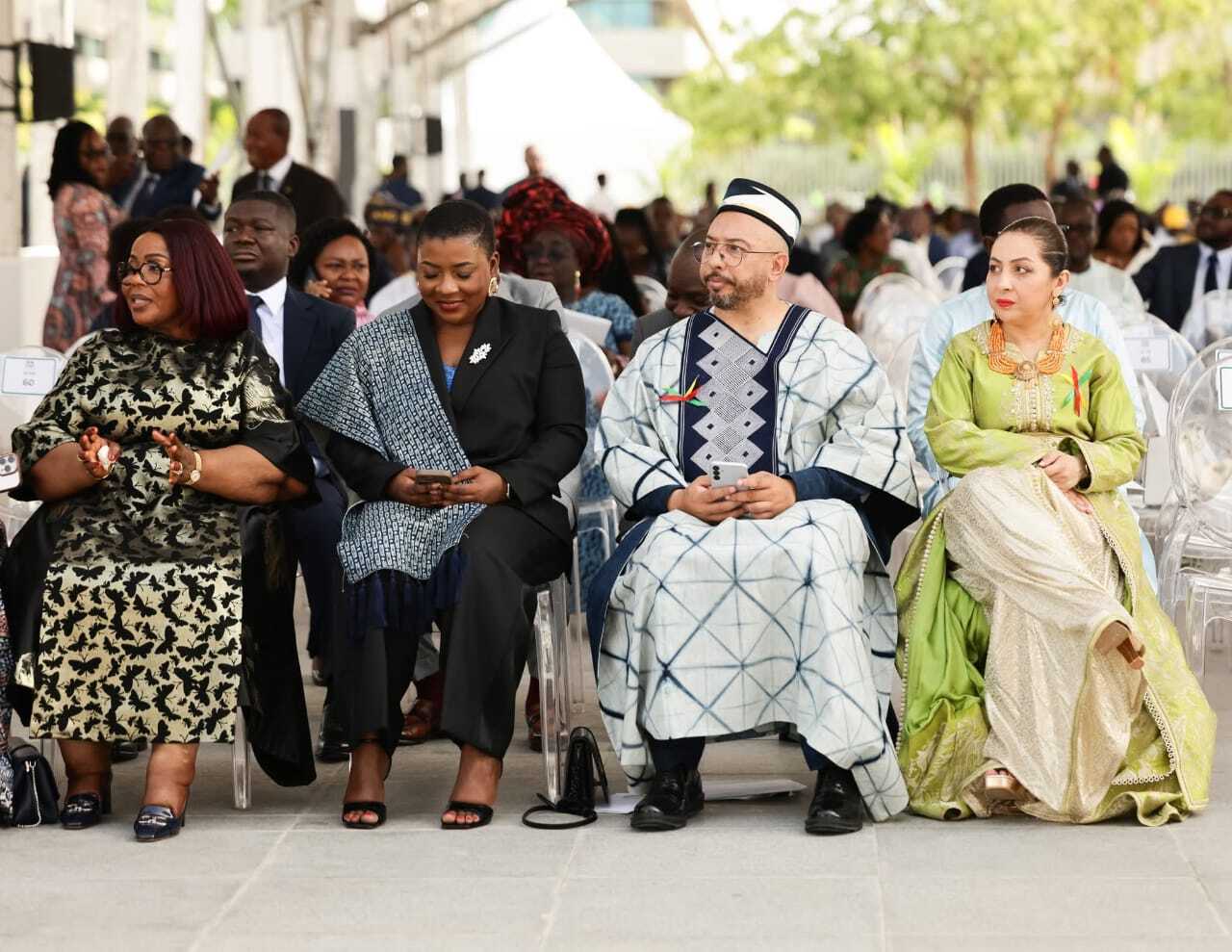
In Zambia, a multi-stakeholder dialogue brought together government institutions, civil society, and partners including GIZ, ShareTrust, NDI, and the Anti-Corruption Commission. Discussions underscored the critical role of civil society in sustaining governance reforms ahead of upcoming electionsImproving transparency in elections and maintaining the independence of electoral commissions is vital for promoting trust in the electoral system, preventing electoral fraud, and upholding the democr... More, with participants reaffirming the OGP platform as essential to advancing Zambia’s first action plan.
Sierra Leone brought together government leaders, civil society, development partners, and oversight institutions to examine how open government reforms can strengthen accountability, transparency, and civic participation. Speakers included Chief Minister Dr. David Moinina Sengeh and Hon. Chenor Bah from the Ministry of Information and Civic EducationAccountability within the public education system is key to improving outcomes and attainment, and accountability is nearly impossible without transparent policies and opportunities for participation .... A standout moment came when discussions turned to the role of transparency in ensuring citizens benefit equitably from the country’s mineral and extractive wealth.
In Nigeria, the Nigeria YouthRecognizing that investing in youth means investing in a better future, OGP participating governments are creating meaningful opportunities for youth to participate in government processes. Technical ... More Future Fund and partners joined the OGP Awareness Walk as part of other planned activities in the country. Check out the video below to see what OGP means to young people in Nigeria and why it matters.
View this post on Instagram
In Côte d’Ivoire, the Support Center for Information Reliability and Digital Technology (CAFN, in French) led a Youth Policy Hackathon bringing together civic youth groups, public administration, and state regulatory bodies to co-design accountable and inclusive governance mechanisms. The event created a rare space for dialogue across sectors, demonstrating the direct impact of open governance on community development.
Ghana saw a landmark moment as the OGP Minister and Parliamentary OGP Champion, Hon. Emmanuel K. Bedzrah and Hon. Lydia Lamisi Akanvariba delivered a joint statement in Parliament, celebrating OGP’s success and being owned by parliament, the executive, and citizens. The statement highlighted Ghana’s achievements, from the passage of its Right to InformationThe legal right to request information from the government allows the public to follow government decision-making, participate in ensuring better decisions, and hold the government accountable. Techni... Act and beneficial ownershipDisclosing beneficial owners — those who ultimately control or profit from a business — is essential for combating corruption, stemming illicit financial flows, and fighting tax evasion. Technical spe... More transparency to international recognition at OGP Global Summits.
“The Open Government PartnershipThe Open Government Partnership (OGP) is a multi-stakeholder initiative focused on improving government transparency, ensuring opportunities for citizen participation in public matters, and strengthen... More remains a valuable platform for Ghana to deepen democratic governance and restore public trust. It is imperative that we treat its implementation not as a donor-driven project, but as a national reform agenda.”
– Hon. Lydia Lamisi Akanvariba, MP for Tempane Constituency and Minister of State, Public Sector Reforms, and Hon. Emmanuel K. Bedzrah, MP for Ho West Constituency and Chairman of the OGP Caucus in Parliament
Asia and the Pacific
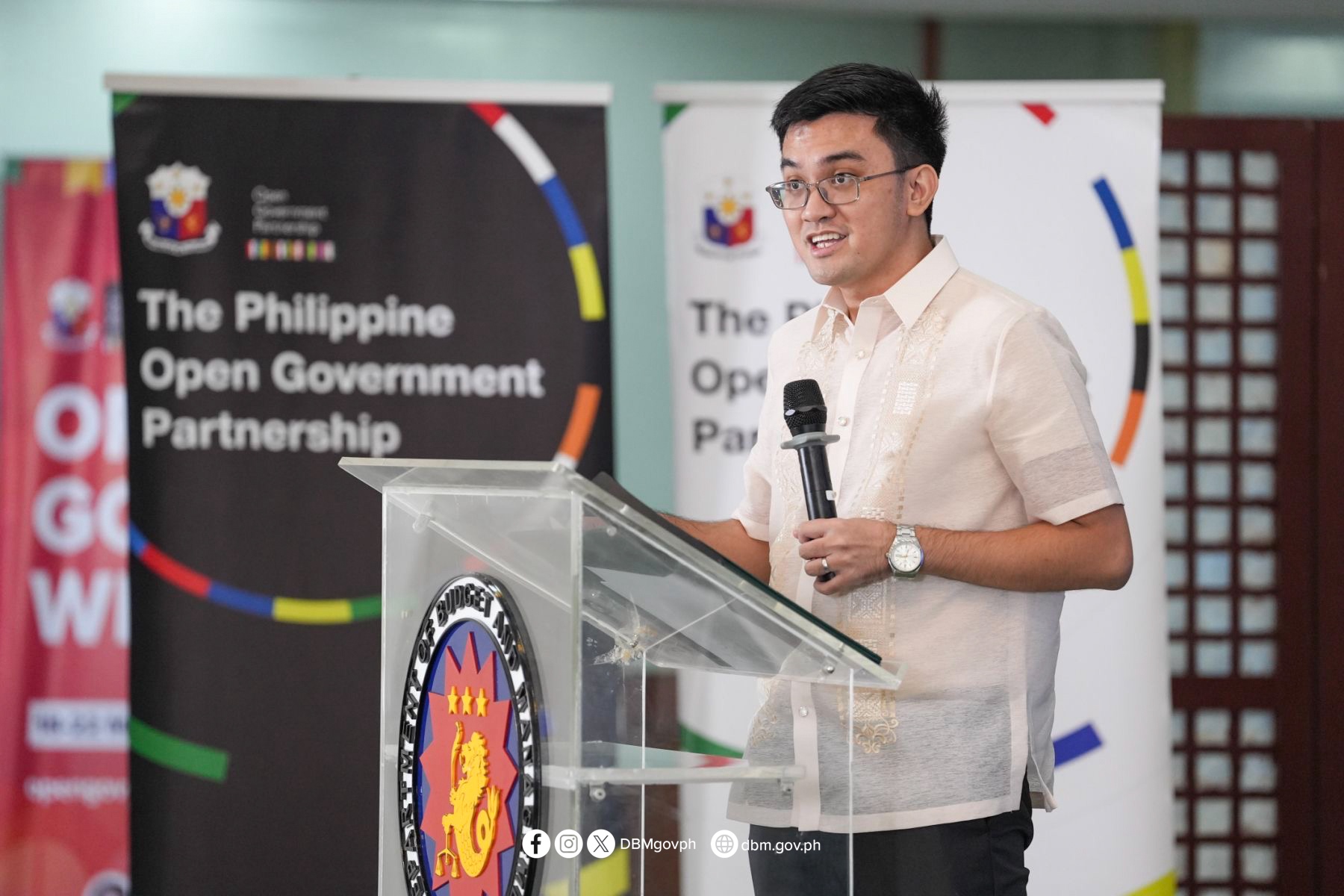
In the Philippines, Open Gov Week reached beyond the capital for the first time, with 273 activities taking place simultaneously across Luzon, Visayas, and Mindanao. Highlights included a capacity-building workshop on mobilizing local government support for freedom of information legislation and a forum on the Open Budget Survey 2025 results led by the Department of Budget and Management. A milestone week capped by the first official event attended by the incoming Budget Secretary.
Regionally, the Extractive IndustriesApplying open government values of transparency, participation, and accountability to extractive industries can decrease corruption, safeguard community interests and needs, and support environmental ... Transparency Initiative and Resource Justice Network co-organized a webinar on strengthening governance to address corruption risks across Asia and Eurasia, drawing on civil society perspectives from Australia, Mongolia, the Philippines, and Indonesia. Discussions explored how key transparency and anti-corruption tools complement one another and the critical links between energyEnsuring universal access to sustainable, dependable, and affordable energy is critical to every aspect of prosperity. Increasing public oversight and transparency in the energy sector can help to ens... More transition governance and accountability in the extractives sector.
Eastern Partnership
In Armenia several discussions focusing on digital democracy, transparent governance, and public participation were organised, fostering discussions between government,citizens, civil society, and expert community representatives, including the Prime Minister’s Office, the Central Corruption Prevention Commission, the SDG Innovation Center, IFES Armenia, the NGO Center, MediaLab, the American University of Armenia, We Youth NGO, Loft Ijevan Youth Center, ESN Yerevan and Armavir Development Center NGO, et al.
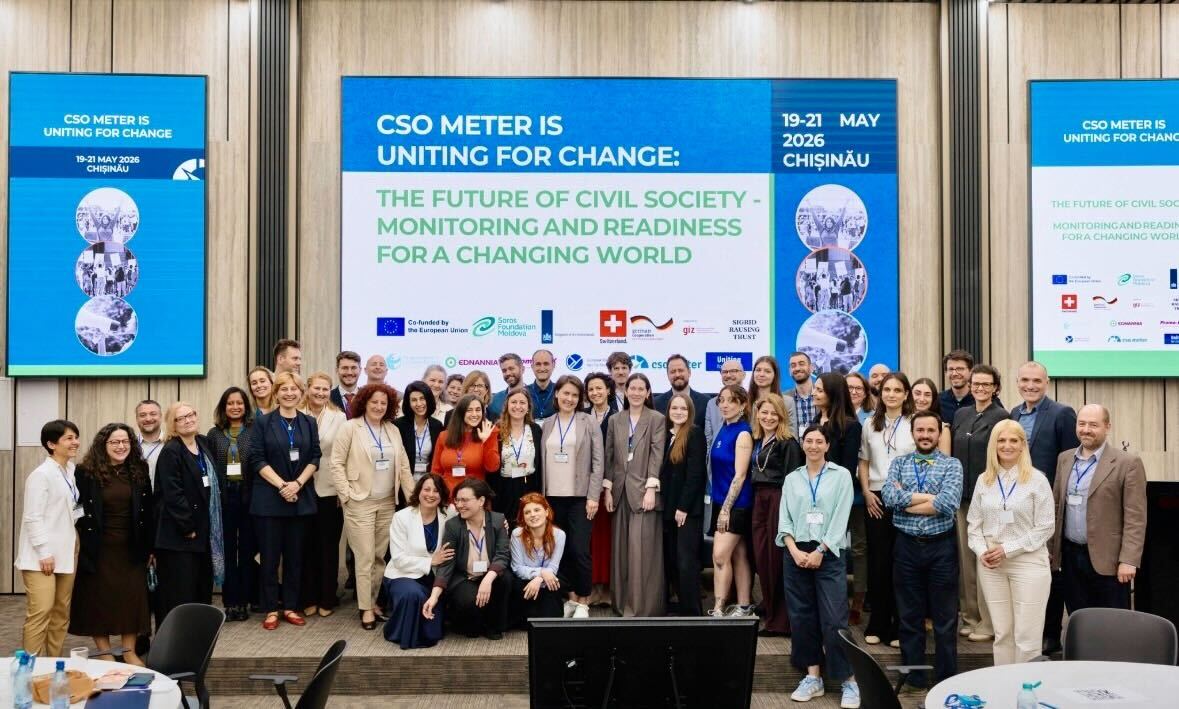
In Moldova, the Annual Parliament-Civil Society Cooperation Day drew hundreds of civil society organisations, with senior parliamentary figures marking the launch of the co-creation processCollaboration between government, civil society and other stakeholders (e.g., citizens, academics, private sector) is at the heart of the OGP process. Participating governments must ensure that a dive... for Moldova’s Open Parliament action plan. The week also featured the European Center for Not-for-Profit Law’s Uniting for Change conference, which brought together civil society leaders to reflect on the future of monitoring, oversight, and digital resilience.
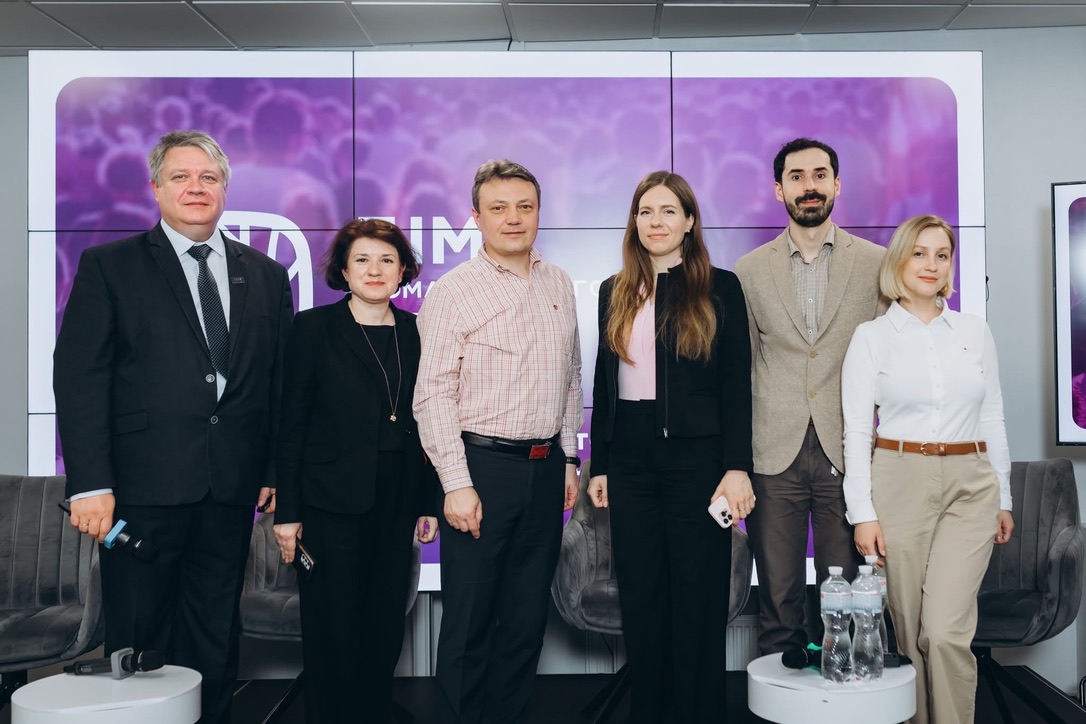
In Ukraine, more than 150 events took place across the country, focusing on public participation, digital democracy, transparency, and community resilience. Highlights included discussions on Ukraine’s new Law on Public Consultations and the updated e-DEM platform. Paul Maassen, OGP’s Deputy CEO, spoke at the SAFE UKRAINE 2030 event, which explored how open government approaches can strengthen democratic resilience, security, and recovery efforts in Ukraine.
Europe
Open Gov Week coincided with the Global Partnerships Conference, hosted by the Foreign and Commonwealth Office in the United Kingdom. Our CEO, Aidan Eyakuze, moderated an important conversation on the power of civic leadership. Panelists explored the role of digital civic power, meaningful youth participation, and the conditions needed to scale community-led solutions from the local to the national level.
Spain once again led the world in Open Gov Week participation, hosting more than 1,200 events across the country. From hackathons that brought together innovators to solve public challenges to ministries opening their doors to citizens, Spain showcased the breadth and energy of its open government movement.
Ireland hosted its Multi-Stakeholder Forum, bringing together five civil society organisations and five government departments, with a keynote from Emily O’Reilly, former Irish and European Ombudsman and OGP Ambassador. Discussions focused on data, research and evidence through partnerships, and deepening public participation to drive stronger policy outcomes. The event concluded with a design workshop exploring how to strengthen trust through open government, identifying key themes and challenges to shape Ireland’s path forward in the Partnership.
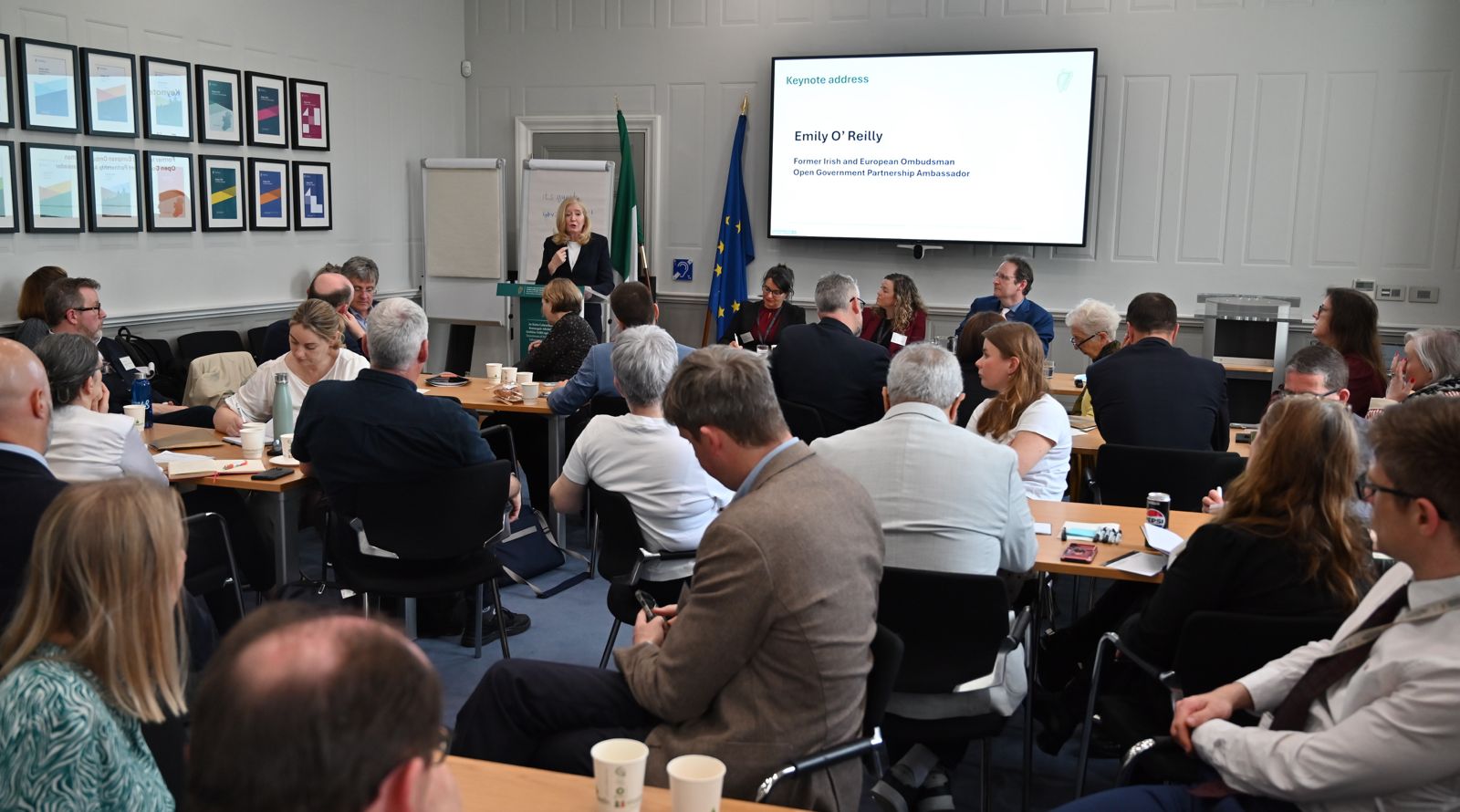
“The strong version of Open Government is openness-as-capability: using outside knowledge, user experience, frontline evidence, local intelligence, independent scrutiny and public data to make the State better at solving problems and finding ways to harness that vital intelligence in a streamlined and coherent way.”
– Emily O’Reilly
In North Macedonia, the government hosted a debate on its Parliament TV channel, with OGP’s point of contact, the lead for OGP in parliament, and lead representatives from civil society organizations.
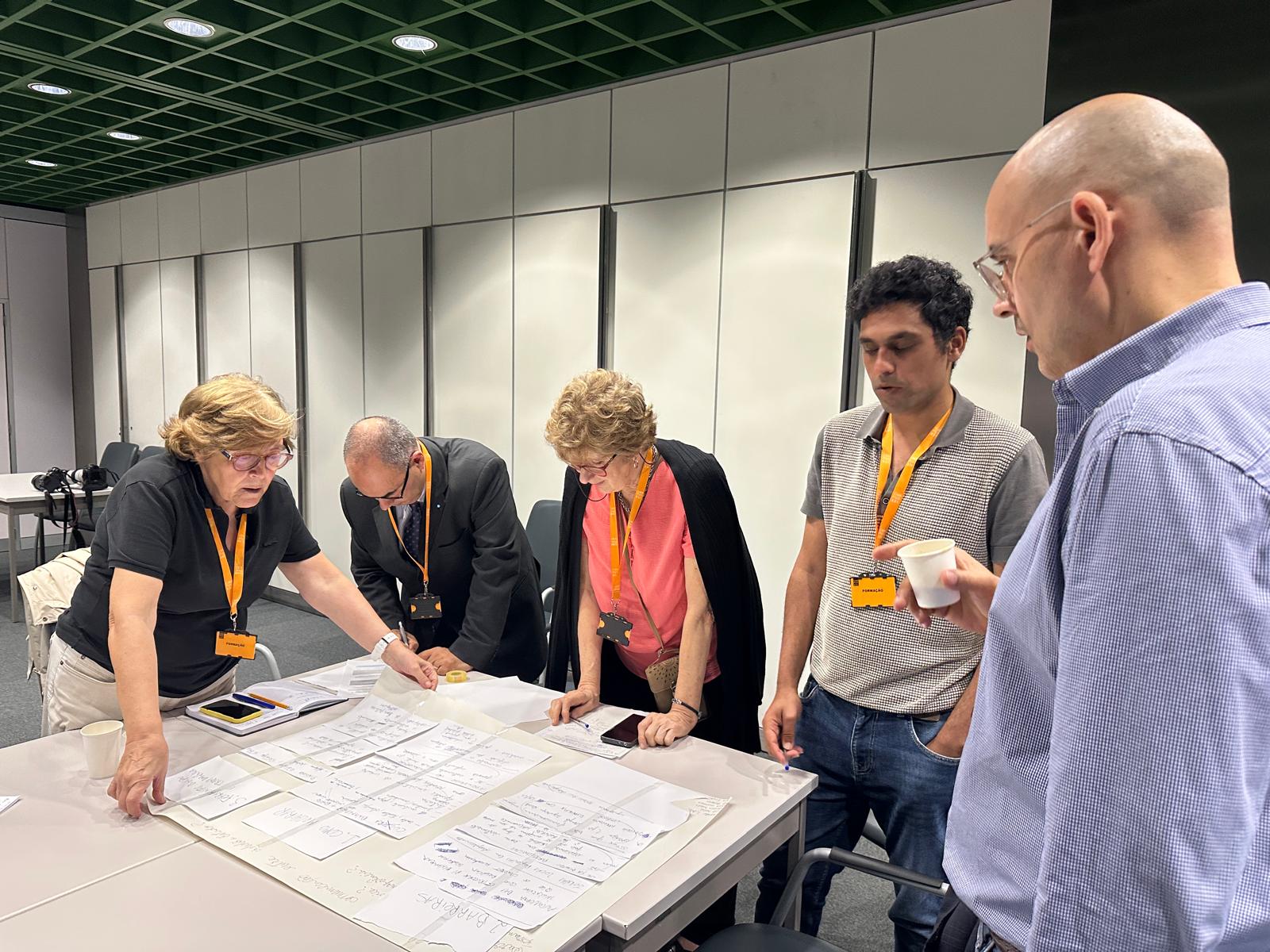
Portugal’s National Network for Open Government brought together 112 participants from public administration, civil society, academia, and youth across three initiatives. Highlights included a simulation of the Council of Ministers for secondary school students, a roundtable on the challenges of Portugal’s new LobbyingLobbying transparency allows the public to ensure that there is diversity of participation and contribution to public decision-making. Technical specifications: Policies and actions affecting lobbying... Law, and a participatory workshop where citizens mapped barriers to engagement and discussed practical solutions to strengthen participation and democracy.
During Open Gov Week, the Proactive Disclosure Coalition hosted an interactive workshop to gather civil society input as part of their journey of creating Good Practice Guidelines on proactive disclosure. Emily O’Reilly, OGP Ambassador and former EU Ombudsman, provided a keynote address that focused on the urgency of moving from governments sharing information only when asked, to sharing it openly by default.
The Power of Local Governments
During Open Gov Week, OGP Local members convened two learning circles that brought together local leaders and practitioners from across regions:
- Buenos Aires (Argentina) and Bogotá (Colombia) led the OGP Local Circle on Digital GovernanceAs evolving technologies present new opportunities for governments and citizens to advance openness and accountability, OGP participating governments are working to create policies that deal with the ... More and AI, “Open Government in the Age of AI: What’s Next?”, exploring how cities are applying open government principles to navigate artificial intelligence and emerging technologies.
- Lisbon (Portugal), Peñalolén (Chile), and the National Democratic Institute convened the Anti-Corruption Circle on the topic of “Building Integrity from Within: Ethics Training for Local Governments.” The event showcased how local governments are strengthening integrity and preventing corruption through institutional culture and ethics training.
Across the network, members explored a wide range of priorities, challenges, and initiatives currently shaping local open government: civic innovation exchanges in Madrid (Spain), collaborative housing approaches in Athens (Greece), open justice discussions in Contagem (Brazil), municipal integrity efforts in Goiás (Brazil), and participatory budgeting conversations in Kaduna and Abuja (Nigeria). Members also advanced digital accessibility initiatives in Chihuahua (Mexico), real-time public spending transparency in Quezon City (Philippines), climate governance in Morocco’s Oriental Region, and youth participation and resilience dialogues in Ukraine and Armenia.
View this post on Instagram
Towards Open, Resilient, and Prosperous Futures
Each year, Open Gov Week shows the dedication around the world of advancing transparency, participation, and accountability.
The next phase requires action across the partnership: governments forming cross-border coalitions to address common priorities, political leaders integrating openness into core national agendas, donors and funders sustaining investment and enabling scale, and civil society continuing to propose, push, monitor, and demand change.
The question ahead is scale and commitment. And OGP’s members and the broader community of open gov reformers are ready to meet this challenge head-on to continue building a better future.
Leave a Reply