Help co-create OGP's new strategy. This page is your go-to resource for all the materials you need to host and join conversations and share your views on how OGP can tackle the challenges of today and tomorrow.
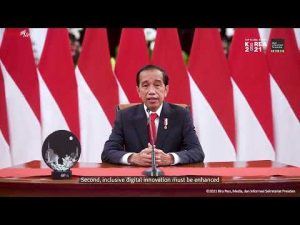
Watch H.E. Joko Widodo, Presidnet of the Republic of Indonesia address participants of the 2021 OGP Global Summit. See all government statements from OGP's 2021 Global Summit »
From community-based justice centers to alternative justice systems rooted in culture and tradition, learn why community justice models are great open government approaches justice reform.
Desde los centros comunitarios de justicia hasta los sistemas alternativos basados en las culturas y tradiciones, aprende por qué los modelos comunitarios de justicia son excelentes foques de gobierno abierto en las reformas del sistema judicial.
The data below represents historical data for this member’s commitments. It does not reflect current work.
Commitment Performance
The following variables answer the question “Did this commitment open government?“, and focus on how government practices have changed as a result of the commitment’s implementation.
Starred commitments in OGP are one of the ways the IRM designates promising reforms. The graph below shows where the major areas for improvement in action plan design and implementation should take place based on past action plans.
Key
Stars (Global average 7%)
Focus on implementation
Focus on design
Pending IRM review
No IRM data
Focus on design
Focus on objectives and impact (ambition/potential impact)
This table shows: 1) the level of public influence during the development and implementation of OGP action plans, 2) whether consultations were open to any member of the public or only to those invited; and 3) whether a forum existed that met regularly.
Key
Participation was closed
Participation was open to any interested party
No IRM data
Forum
Pending IRM review
Definitions
Collaborate: Iterative dialogue and public helped set agenda
Involve:Government gave feedback on public inputs
Consult: Public gave input
Inform: Government provided public with information on plan
The data below is drawn from the 2019 OGP Global Report. You can view and learn more about the report here.
Selected Dimensions of Open Government
This section captures how each OGP member can play a leadership role, based on IRM-based findings and third-party scores. This list does not cover all of open government and OGP members are not required to take any action.
Action implications
These are recommendations on the role that each OGP member might play in each policy area. The recommendations are derived from a combination of the IRM-based findings and third-party scores.
IRM-based findings
Reflect the performance of commitments in a particular policy area, as assessed by the IRM.
(NC) No Commitments (CA) Commitment(s) in the policy area. (IR) IRM-Reviewed: At least one IRM-assessed commitment. (C) Was Complete: At least one commitment was substantially or fully completed. (A) Was Ambitious: At least one commitment with moderate or transformative potential impact. (ER) Showed Early Results: At least one commitment opened government in a “Major” or “Outstanding” way.
Third-party scores
Reflect “real-world” performance, i.e., performance outside of the OGP framework. Scores are comprised of various indicators collected by respected organizations.
As leaders, these members may consider playing a peer-support role by sharing their experiences and innovations with others in OGP, if they are not already doing so.
These are members making OGP commitments to improve their performance in the respective policy area. As members that have demonstrated political commitment through OGP, the next step is ensuring that implemented commitments have maximal impact.
These members have room for improvement in the respective policy area according to the third-party score and have not leveraged their OGP action plans to address the issue. They may consider reforms in the respective policy area, either within or outside of the OGP framework.
These members have not made ambitious OGP commitments or commitments that have shown early results. However, these members have recently made commitment(s) in the respective policy area that have not yet been assessed by the IRM. The OGP community will monitor these commitments and soon report on the progress achieved.
There is not enough third-party data available to identify an action implication.
As leaders, these members may consider playing a peer-support role by sharing their experiences and innovations with others in OGP, if they are not already doing so.
These are members making OGP commitments to improve their performance in the respective policy area. As members that have demonstrated political commitment through OGP, the next step is ensuring that implemented commitments have maximal impact.
These members have room for improvement in the respective policy area according to the third-party score and have not leveraged their OGP action plans to address the issue. They may consider reforms in the respective policy area, either within or outside of the OGP framework.
These members have not made ambitious OGP commitments or commitments that have shown early results. However, these members have recently made commitment(s) in the respective policy area that have not yet been assessed by the IRM. The OGP community will monitor these commitments and soon report on the progress achieved.
There is not enough third-party data available to identify an action implication.
As leaders, these members may consider playing a peer-support role by sharing their experiences and innovations with others in OGP, if they are not already doing so.
These are members making OGP commitments to improve their performance in the respective policy area. As members that have demonstrated political commitment through OGP, the next step is ensuring that implemented commitments have maximal impact.
These members have room for improvement in the respective policy area according to the third-party score and have not leveraged their OGP action plans to address the issue. They may consider reforms in the respective policy area, either within or outside of the OGP framework.
These members have not made ambitious OGP commitments or commitments that have shown early results. However, these members have recently made commitment(s) in the respective policy area that have not yet been assessed by the IRM. The OGP community will monitor these commitments and soon report on the progress achieved.
There is not enough third-party data available to identify an action implication.
As leaders, these members may consider playing a peer-support role by sharing their experiences and innovations with others in OGP, if they are not already doing so.
These are members making OGP commitments to improve their performance in the respective policy area. As members that have demonstrated political commitment through OGP, the next step is ensuring that implemented commitments have maximal impact.
These members have room for improvement in the respective policy area according to the third-party score and have not leveraged their OGP action plans to address the issue. They may consider reforms in the respective policy area, either within or outside of the OGP framework.
These members have not made ambitious OGP commitments or commitments that have shown early results. However, these members have recently made commitment(s) in the respective policy area that have not yet been assessed by the IRM. The OGP community will monitor these commitments and soon report on the progress achieved.
There is not enough third-party data available to identify an action implication.
As leaders, these members may consider playing a peer-support role by sharing their experiences and innovations with others in OGP, if they are not already doing so.
These are members making OGP commitments to improve their performance in the respective policy area. As members that have demonstrated political commitment through OGP, the next step is ensuring that implemented commitments have maximal impact.
These members have room for improvement in the respective policy area according to the third-party score and have not leveraged their OGP action plans to address the issue. They may consider reforms in the respective policy area, either within or outside of the OGP framework.
These members have not made ambitious OGP commitments or commitments that have shown early results. However, these members have recently made commitment(s) in the respective policy area that have not yet been assessed by the IRM. The OGP community will monitor these commitments and soon report on the progress achieved.
There is not enough third-party data available to identify an action implication.
As leaders, these members may consider playing a peer-support role by sharing their experiences and innovations with others in OGP, if they are not already doing so.
These are members making OGP commitments to improve their performance in the respective policy area. As members that have demonstrated political commitment through OGP, the next step is ensuring that implemented commitments have maximal impact.
These members have room for improvement in the respective policy area according to the third-party score and have not leveraged their OGP action plans to address the issue. They may consider reforms in the respective policy area, either within or outside of the OGP framework.
These members have not made ambitious OGP commitments or commitments that have shown early results. However, these members have recently made commitment(s) in the respective policy area that have not yet been assessed by the IRM. The OGP community will monitor these commitments and soon report on the progress achieved.
There is not enough third-party data available to identify an action implication.
As leaders, these members may consider playing a peer-support role by sharing their experiences and innovations with others in OGP, if they are not already doing so.
These are members making OGP commitments to improve their performance in the respective policy area. As members that have demonstrated political commitment through OGP, the next step is ensuring that implemented commitments have maximal impact.
These members have room for improvement in the respective policy area according to the third-party score and have not leveraged their OGP action plans to address the issue. They may consider reforms in the respective policy area, either within or outside of the OGP framework.
These members have not made ambitious OGP commitments or commitments that have shown early results. However, these members have recently made commitment(s) in the respective policy area that have not yet been assessed by the IRM. The OGP community will monitor these commitments and soon report on the progress achieved.
There is not enough third-party data available to identify an action implication.
As leaders, these members may consider playing a peer-support role by sharing their experiences and innovations with others in OGP, if they are not already doing so.
These are members making OGP commitments to improve their performance in the respective policy area. As members that have demonstrated political commitment through OGP, the next step is ensuring that implemented commitments have maximal impact.
These members have room for improvement in the respective policy area according to the third-party score and have not leveraged their OGP action plans to address the issue. They may consider reforms in the respective policy area, either within or outside of the OGP framework.
These members have not made ambitious OGP commitments or commitments that have shown early results. However, these members have recently made commitment(s) in the respective policy area that have not yet been assessed by the IRM. The OGP community will monitor these commitments and soon report on the progress achieved.
There is not enough third-party data available to identify an action implication.
As leaders, these members may consider playing a peer-support role by sharing their experiences and innovations with others in OGP, if they are not already doing so.
These are members making OGP commitments to improve their performance in the respective policy area. As members that have demonstrated political commitment through OGP, the next step is ensuring that implemented commitments have maximal impact.
These members have room for improvement in the respective policy area according to the third-party score and have not leveraged their OGP action plans to address the issue. They may consider reforms in the respective policy area, either within or outside of the OGP framework.
These members have not made ambitious OGP commitments or commitments that have shown early results. However, these members have recently made commitment(s) in the respective policy area that have not yet been assessed by the IRM. The OGP community will monitor these commitments and soon report on the progress achieved.
There is not enough third-party data available to identify an action implication.
As leaders, these members may consider playing a peer-support role by sharing their experiences and innovations with others in OGP, if they are not already doing so.
These are members making OGP commitments to improve their performance in the respective policy area. As members that have demonstrated political commitment through OGP, the next step is ensuring that implemented commitments have maximal impact.
These members have room for improvement in the respective policy area according to the third-party score and have not leveraged their OGP action plans to address the issue. They may consider reforms in the respective policy area, either within or outside of the OGP framework.
These members have not made ambitious OGP commitments or commitments that have shown early results. However, these members have recently made commitment(s) in the respective policy area that have not yet been assessed by the IRM. The OGP community will monitor these commitments and soon report on the progress achieved.
There is not enough third-party data available to identify an action implication.
As leaders, these members may consider playing a peer-support role by sharing their experiences and innovations with others in OGP, if they are not already doing so.
These are members making OGP commitments to improve their performance in the respective policy area. As members that have demonstrated political commitment through OGP, the next step is ensuring that implemented commitments have maximal impact.
These members have room for improvement in the respective policy area according to the third-party score and have not leveraged their OGP action plans to address the issue. They may consider reforms in the respective policy area, either within or outside of the OGP framework.
These members have not made ambitious OGP commitments or commitments that have shown early results. However, these members have recently made commitment(s) in the respective policy area that have not yet been assessed by the IRM. The OGP community will monitor these commitments and soon report on the progress achieved.
There is not enough third-party data available to identify an action implication.
As leaders, these members may consider playing a peer-support role by sharing their experiences and innovations with others in OGP, if they are not already doing so.
These are members making OGP commitments to improve their performance in the respective policy area. As members that have demonstrated political commitment through OGP, the next step is ensuring that implemented commitments have maximal impact.
These members have room for improvement in the respective policy area according to the third-party score and have not leveraged their OGP action plans to address the issue. They may consider reforms in the respective policy area, either within or outside of the OGP framework.
These members have not made ambitious OGP commitments or commitments that have shown early results. However, these members have recently made commitment(s) in the respective policy area that have not yet been assessed by the IRM. The OGP community will monitor these commitments and soon report on the progress achieved.
There is not enough third-party data available to identify an action implication.
As leaders, these members may consider playing a peer-support role by sharing their experiences and innovations with others in OGP, if they are not already doing so.
These are members making OGP commitments to improve their performance in the respective policy area. As members that have demonstrated political commitment through OGP, the next step is ensuring that implemented commitments have maximal impact.
These members have room for improvement in the respective policy area according to the third-party score and have not leveraged their OGP action plans to address the issue. They may consider reforms in the respective policy area, either within or outside of the OGP framework.
These members have not made ambitious OGP commitments or commitments that have shown early results. However, these members have recently made commitment(s) in the respective policy area that have not yet been assessed by the IRM. The OGP community will monitor these commitments and soon report on the progress achieved.
There is not enough third-party data available to identify an action implication.
As leaders, these members may consider playing a peer-support role by sharing their experiences and innovations with others in OGP, if they are not already doing so.
These are members making OGP commitments to improve their performance in the respective policy area. As members that have demonstrated political commitment through OGP, the next step is ensuring that implemented commitments have maximal impact.
These members have room for improvement in the respective policy area according to the third-party score and have not leveraged their OGP action plans to address the issue. They may consider reforms in the respective policy area, either within or outside of the OGP framework.
These members have not made ambitious OGP commitments or commitments that have shown early results. However, these members have recently made commitment(s) in the respective policy area that have not yet been assessed by the IRM. The OGP community will monitor these commitments and soon report on the progress achieved.
There is not enough third-party data available to identify an action implication.
This blog post was originally posted on Open Ownership’s website. Read the original post here. The International Anti-Corruption Conference (IACC), hosted by the Government of Lithuania in June 2024, gathered practitioners from around the globe to discuss and advance action…
Join us as we celebrate the diversity and innovation of Open Gov Week 2024 by showcasing events from Africa to the Americas, from Asia-Pacific to Europe.
Meet Siti Juliantari “Tari” Rachman, an anti-corruption advocate in Indonesia. Tari shares how her interest in fighting corruption began and how she’s supporting Indonesia’s OGP commitment to open up contracting information and publish emergency procurement information on the national procurement portal.
Conoce a Siti Juliantari “Tari” Rachman, una activista contra la corrupción en Indonesia. Tari comparte cómo comenzó su interés en combatir la corrupción y cómo apoya el compromiso de OGP de Indonesia de abrir la información de contratación y publicar información de adquisiciones de emergencia en el portal nacional de adquisiciones.
Watch H.E. Joko Widodo, Presidnet of the Republic of Indonesia address participants of the 2021 OGP Global Summit. See all government statements from OGP's 2021 Global Summit »
We will implement the Yasinan Forum, an equitable, inclusive, dependable government platform that enables citizens to convey their aspirations and problems directly to the government at the sub-district and village level. Bringing the complainant service closer to citizens and making…